Innovation in a simple surgical tool represents a radical shift in obstetric fistula care
A new retractor system is reshaping how surgeons perform treatment—and giving patients hope.
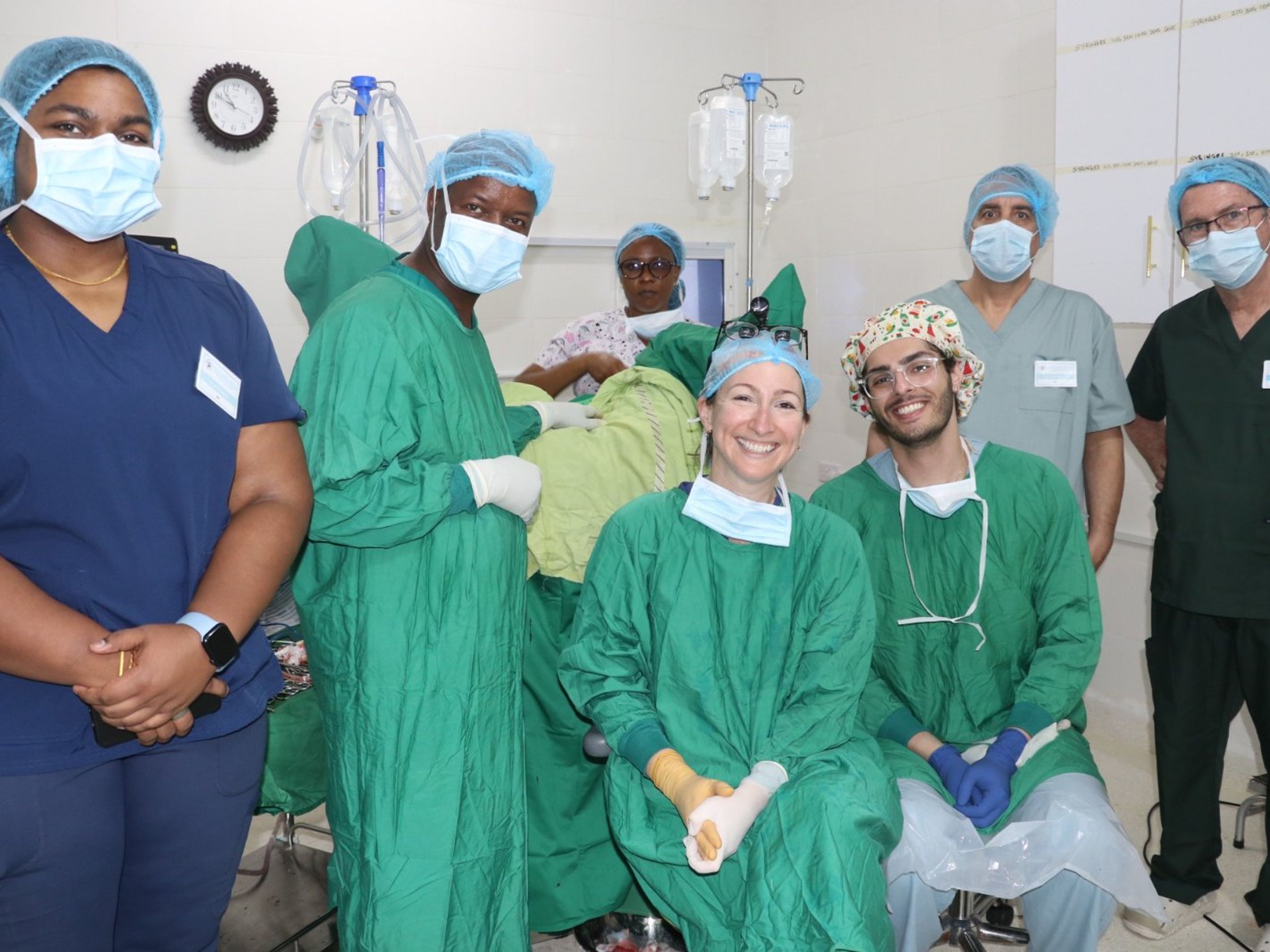
Surgeons are used to adapting to complex situations in the operating room—it comes with the job. But medical professionals in low-resource hospitals, where equipment and staffing can be extremely limited, have to be especially adept and creative in their approach when unexpected circumstances arise.
Take Rachel Pope, M.D., M.P.H., an obstetrician-gynecologist (OB-GYN) who is experienced at performing vaginal reconstruction surgeries in low-resource hospitals in sub-Saharan Africa, where the available speculums are suboptimal. “As surgeons, we’re very used to just accommodating a problem,” she says. Dr. Pope, who is also the division chief of female sexual health at University Hospitals Cleveland Medical Center, explains that one of the speculums she and her team use for these types of surgeries tends to fall out multiple times during the procedure.
For women with obstetric fistula in sub-Saharan Africa, that minor surgical hurdle barely scratches the surface of what hardships they face en route to receiving proper treatment. An obstetric fistula is an abnormal opening between a woman’s genital tract and her urinary tract or rectum, often caused by prolonged childbirth. Women in these areas often live far from medical facilities and sometimes don’t have the resources to travel, so accessing care can be challenging. What’s more, the hospitals tend to be low-resource, so they often don’t have adequate staffing to or the right equipment, which exacerbates the issue.
Obstetric fistula affects roughly 2 million women globally, most of whom live in sub-Saharan Africa and Asia.1 When left untreated, obstetric fistulas can lead to a host of issues, including incontinence and a higher likelihood of certain diseases, including renal failure and infertility. Most devastatingly, perhaps, women with this condition often feel incredible shame and experience social segregation due to frequent leakage.1,2
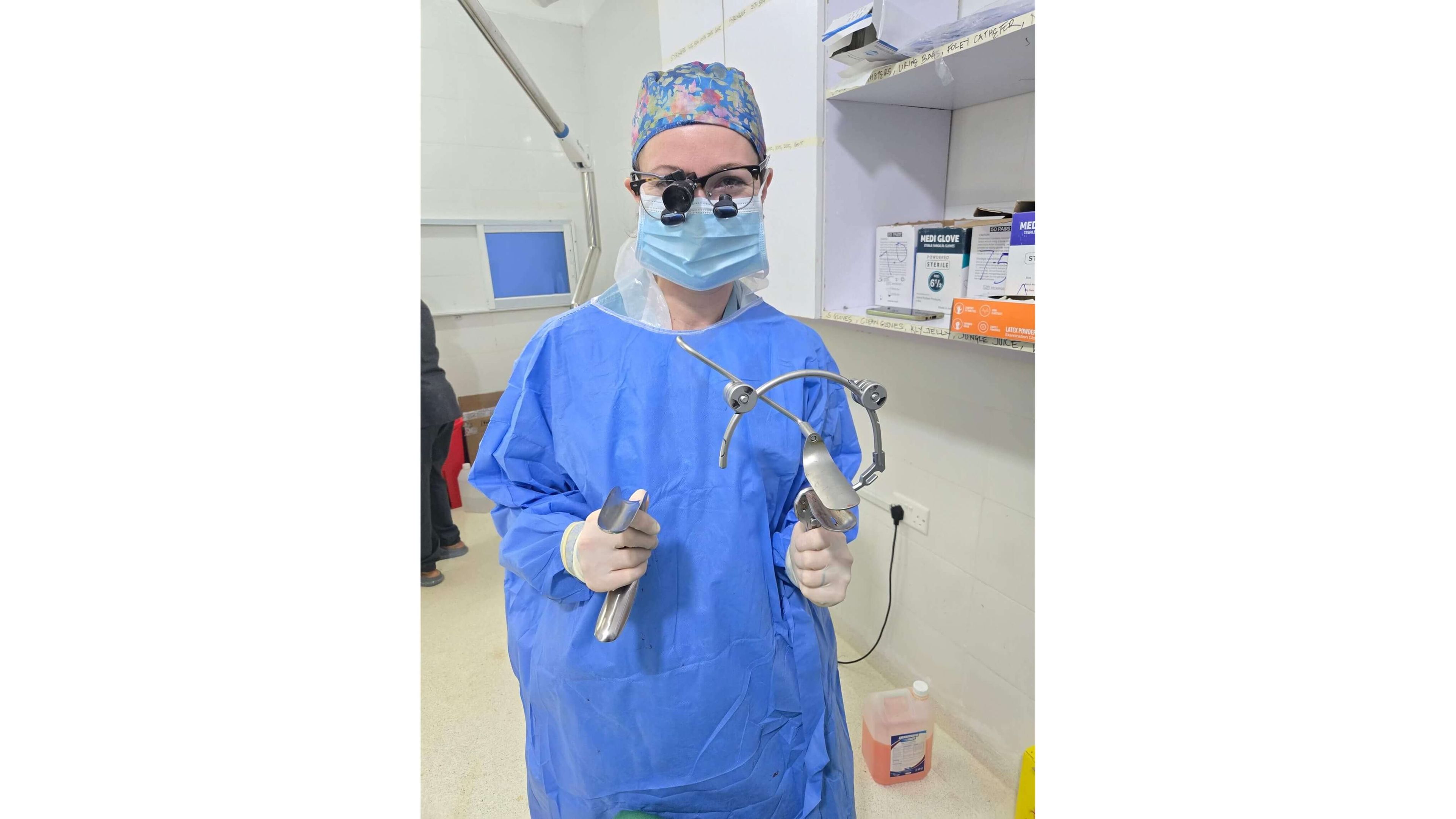
Still, obstetric fistulas are considered a largely preventable condition given timely access to obstetrics care.1 But once an obstetric fistula has developed, fixing the problem surgically requires being able to see it. Current modular reusable retractor systems can be cumbersome to use, as many are adoptions of retractors used for abdominal surgeries. As such, surgeons prefer to use speculums.
“As fistula surgeons, we have just become used to that,” Dr. Pope says. “And I never really thought, ‘Is there a better tool?’"
"Visualization is everything in fistula repair.”
When Peter Fatone, Global Surgery Research & Development Lead at Johnson & Johnson MedTech, observed Dr. Pope repairing obstetric fistulas in 2018 at the Freedom From Fistula Center in Malawi, he recognized that better tools—and ways of organizing those tools—could make a huge impact on improving obstetric fistula surgery. His team then set out to create four new devices: a dynamic vaginal retractor system, a bladder sound, fistula scissors and a suture/catheter organizer.
While the latter three tools were developed first and have already been in use, the new vaginal retractor system was used for the first time this March to perform four fistula repairs and seven other pelvic floor surgeries in Malindi, Kenya. The surgeries—performed at no cost to the patients—were coordinated by Habiba Corodhia Mohamed, the founder of Women and Development Against Distress in Africa (WADADIA), a nonprofit organization in Kenya dedicated to providing fistula care and empowering marginalized women and girls to advocate for their bio-psychosocial health.
The improvements in visualization with the new system were immediately apparent for the surgical team, led by Dr. Pope with six other surgeons from UH Cleveland Medical Center and three from Kenya.
“Visualization is everything in fistula repair,” Dr. Pope says. “When we're doing vaginal surgery, we're basically working in a dark and narrow tunnel. And so anything that gives us a few more millimeters of visualization makes the surgery better and more efficient, which in turn makes it more likely that the fistula will heal. It was pretty impressive how much easier the new retractor system made things for me as the surgeon compared to the old speculum.”
The design behind the innovation
As the Johnson & Johnson MedTech team worked to develop the vaginal retractor system, they met with surgeons for feedback on prototypes. Those surgeons included Dr. Pope and other medical professionals who are part of the International Society of Obstetric Fistula Surgeons (ISOFS).
The biggest challenge came from designing the frame, explains Bill Strausbaugh, Global Surgery Design Engineer, Johnson & Johnson MedTech. In 2024, the team took the prototype for a test run in a lab with Dr. Pope and Rahel Nardos, M.D., an OB-GYN with a specialty in female pelvic medicine and reconstructive surgery. She’s also the director of Global Women’s Health at the Center for Global Health and Social Responsibility, University of Minnesota.
The team ultimately found that the initial design did not perform as well as expected because the frame and clamp assembly did not allow for the range of motion needed to hold soft tissue retraction exactly where it was needed. Additionally, the overall shape of the anterior blades were not optimal for visualizing the surgical site. So, they went back to the lab to tweak the prototype, this time testing their iterations on a silicone anatomical model so they could immediately evaluate the performance.
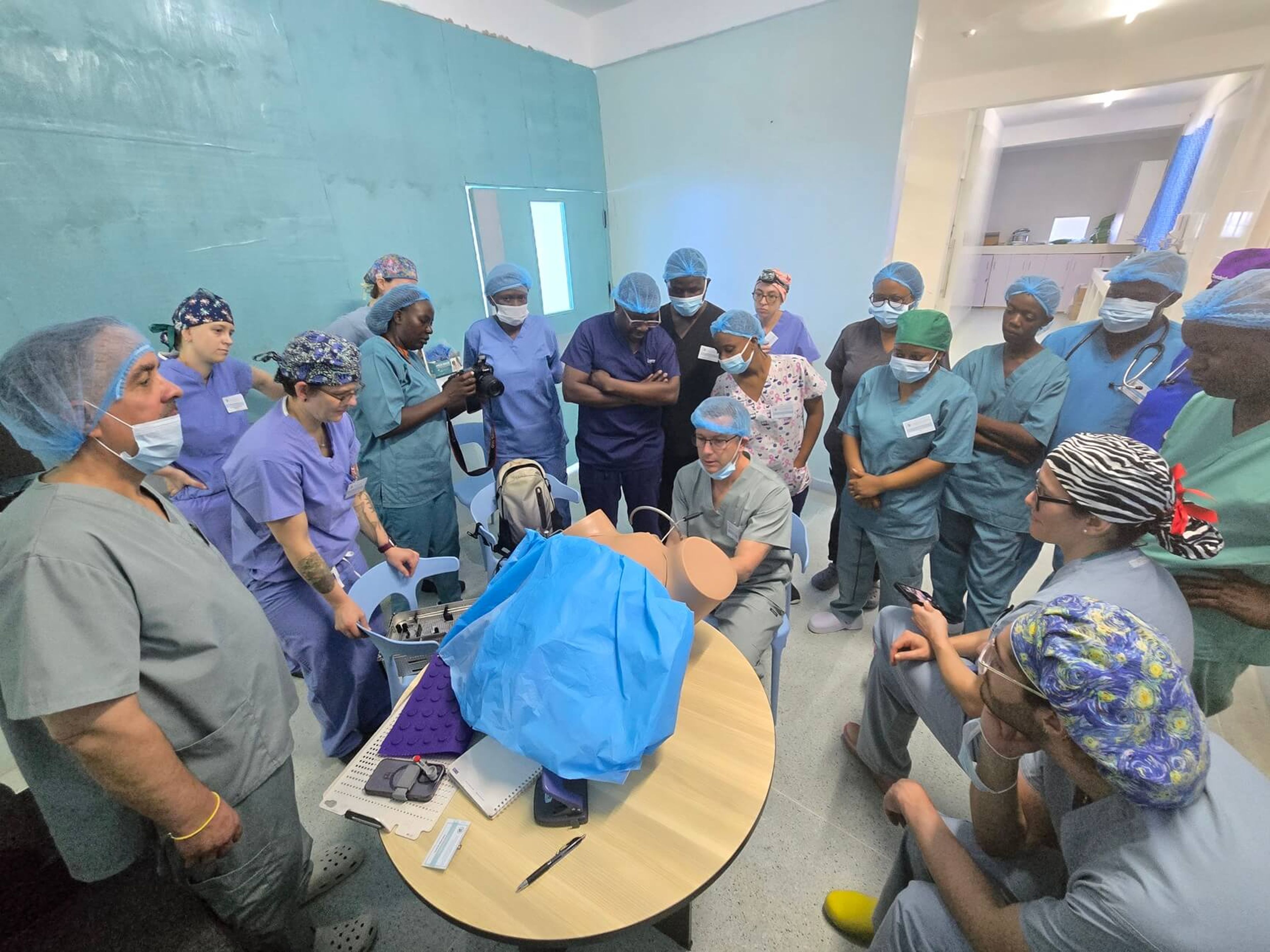
The team of surgeons also provided feedback on the shape and length of the blades, the adjustability of the arms and the way the device clamps to the surgical table.
“Immediately when we got into the lab, we were able to see that there needed to be more adjustability with the way the anterior blades could move,” says Elisabeth Jeyaraj, Global Surgery Product/Project Manager, Johnson & Johnson MedTech. “In the current retractor, the design is very different. The clamps go on top and allow for a lot more motion and degrees of freedom around the frame itself. This way it can form with a patient's anatomy, and the retraction can be exactly where the surgeon needs it to be.”
A main feature of the retractor is that it is designed to be reusable—a necessity for low-resource hospital settings in which plastic disposable retraction devices are expensive and difficult to come by. The instrument is sterilizable and designed to last for up to 15 years, Fatone says. It also includes a suction system integrated in the blade to further improve visibility. Notably, it can be flipped to accommodate both right- and left-handed surgeons, Dr. Pope says, so it maintains the level of dynamic visualization that manually adjusting the old speculum system provided.
“Our goal with this retractor system is to make it easier to use [than some other more complex systems on the market], with fewer parts—but still as modular as possible so that people will actually use it,” Jeyaraj says.
The future of more equitable care
Now that the retractor system has been used successfully in Dr. Pope’s surgeries in Kenya, the team hopes to equip five other centers in sub-Saharan Africa with three retractors each by the beginning of next year, Fatone says. For the full launch, they hope to expand to other areas of the world with a prevalence of obstetric fistula.
“Our biggest goal is to get them at training sites,” Dr. Pope says. “I want to make sure that new surgeons are being trained as well as possible, with the best equipment possible, so that when they go out to do surgeries on their own, they're taking the best possible care of women.”
For Dr. Pope, these new medical devices are radical—not just in what they can accomplish technically, but in what they represent.
“Women in the lowest-resourced parts of our world are still experiencing fistulas. It's heartbreaking that they are experiencing something that is so preventable in other parts of the world,” she says. “But to help them in a way that causes the least amount of harm and the least amount of trauma—whether that's through having a surgery that works the first time without requiring multiple repairs because our instruments are better, or because they’re being taken care of by more compassionate clinicians—that’s a huge step forward.”
References
- World Health Organization. 10 facts on obstetric fistula. Accessed April 8, 2026.
- Obstetric Fistula: Living With Incontinence and Shame