Better patient outcomes for cataract patients lie in a high-quality lens platform. Can current technology keep pace with increasing demand?
Many experts think so. Here’s how recent innovations in ophthalmology are spurring a seismic shift in cataract treatment and the quest to address aging eyes.
Sir Harold Ridley, a British surgeon who cared for injured soldiers during World War II, noticed something interesting about his patients: when pilots sustained eye injuries from shattered fighter plane fragments, the acrylic from the windshield didn’t irritate their eyes. Ridley wondered if using a similar material in the eye to treat cataracts would work.1 It did: When intraocular lenses (IOLs) were first implanted in 1949 to restore human vision, some considered the innovation revolutionary.
Since then, IOLs have undergone roughly six generations of evolution,2 from foldable models popularized in the 1990s that could be implanted through smaller incisions to today’s options, including extended depth of focus (EDOF) lenses, which can provide clear vision across a range of distances, and blue-light-filtering lenses.
The race to innovate in the IOL space has never been more pressing: Cataracts are a largely age-related disease, and as the population of older adults grows by the day, so too will the need for these types of corrective procedures, according to a February 2026 report from the World Health Organization.3
The Johnson & Johnson TECNIS™ portfolio has driven IOL innovation for the past 25 years. Through this platform, Johnson & Johnson MedTech has advanced the science of sight by studying how the natural eye moves, adapts and perceives the world. With this blueprint, the TECNIS™ portfolio has spurred a series of breakthroughs, from aspheric designs to astigmatism- and presbyopia-correcting designs.
Now, the scientists responsible for those innovations are developing new methods for broader ranges of vision without compromising quality in cataract surgery. New optical designs are leading to improved patient outcomes.
One such design is a purely refractive lens, which “creates a continuous change in power that extends depth of focus while maintaining monofocal-like distance vision,” explains Carmen Canovas Vidal, Ph.D., Director, Lens Design and Vision Science, Johnson & Johnson MedTech, Vision. “The smooth change in power throughout the surface of the lens minimizes side effects like visual disturbances (halos, starbursts, glare) and pupil dependence.”
Here’s a closer look at how the newest IOL innovation promises to push science forward and deliver better outcomes for patients.
How the new generation of refractive lenses fits into the IOL landscape
Patients undergoing cataract surgery may be offered different types of IOLs. Monofocal lenses, the most common type, help provide clear vision, but at a single distance. Usually, this means that the patient might have to wear glasses for reading or other close-up tasks, says Dan Black, M.D., a Queensland-based eye surgeon. IOLs can also be prescribed to correct refractive errors such as myopia, hyperopia and presbyopia, which can be common in older patients.4
“We're shifting from the default being a monofocal lens to a purely refractive, EDOF lens,” Dr. Black says, adding that purely refractive lenses with EDOF will make monofocal lenses, the old standard of care, “obsolete.”
Multifocal and multifocal hybrid lenses, according to Dr. Black, are a type of IOL that can provide a full range of vision, but patients can sometimes experience contrast-sensitivity5 issues (difficulty perceiving details, particularly in low-light conditions) and dysphotopsia, or unwanted visual phenomena like glare, rings and halos around lights.6

The new generation of purely refractive lenses, on the other hand, gives patients high-quality distance and intermediate vision while maintaining contrast sensitivity and monofocal-like dysphotopsia, says Aixa Alarcón Heredia, Research Fellow, R&D Ophthalmic Implants at Johnson & Johnson MedTech. Another benefit of the high-quality distance vision provided by these designs is the tolerance to refractive errors, which is the capacity to provide uncorrected good distance vision in the presence of small amounts of postoperative myopia, hyperopia or astigmatism.7
The technology allows patients to maintain continuity of vision without compromising the quality of distance vision, says Francesco Carones, M.D., a Milan-based eye surgeon, medical director of ADVALIA Vision and President of AECOS Europe.
What makes continuous change in power refractive lens technology stand out
Think of tolerance to refractive errors like stretchability, similar to when a piece of clothing stretches to fit you better so that it’s modestly comfortable, even if you’re between sizes. In that vein, explains Dr. Black, a lens with a high tolerance to refractive errors can better accommodate the shape of your eyes (which is what causes refractive errors) and correct your vision across a wide spectrum of distances.
The first generation of refractive lenses based on a continuous change in power was the TECNIS Eyhance™ IOL. This lens is often referred to as an enhanced monofocal IOL.
A 2023 study in the Journal of Refractive Surgery examining tolerance to astigmatism8 compared a monofocal lens with the TECNIS Eyhance™ enhanced monofocal lens and found that the enhanced lens provided greater tolerance to astigmatism, improving uncorrected distance acuity. Additionally, a 2024 editorial published in the Journal of Cataract & Refractive Surgery concluded that, at the time of its publication, an enhanced monofocal lens should be the new standard of care for cataract surgery.9 That’s because these lenses could give useful distance and intermediate vision, without sacrificing contrast sensitivity and increasing dysphotopsia like a standard monofocal would, Dr. Black says.
The second generation of refractive lenses based on a continuous change in power is Johnson & Johnson’s purely refractive EDOF lens, the TECNIS PureSee™ IOL. A 2024 study in Eye, for which Dr. Black was the lead author, shows that the TECNIS PureSee™ purely refractive lens has contrast sensitivity and a dysphotopsia profile comparable to those of the enhanced monofocal lens—but with a higher tolerance to refractive error,10 Dr. Black explains.
“This type of refractive design preserves the high-quality distance vision in all lighting conditions enabled by the TECNIS™ platform, while at the same time provides an extended range of consistently uninterrupted high-quality vision from distance to intermediate,” Canovas Vidal explains. “Furthermore, the high-quality distance vision enabled by the combination of the TECNIS™ platform and this type of refractive design increases forgiveness against residual refractive errors.”
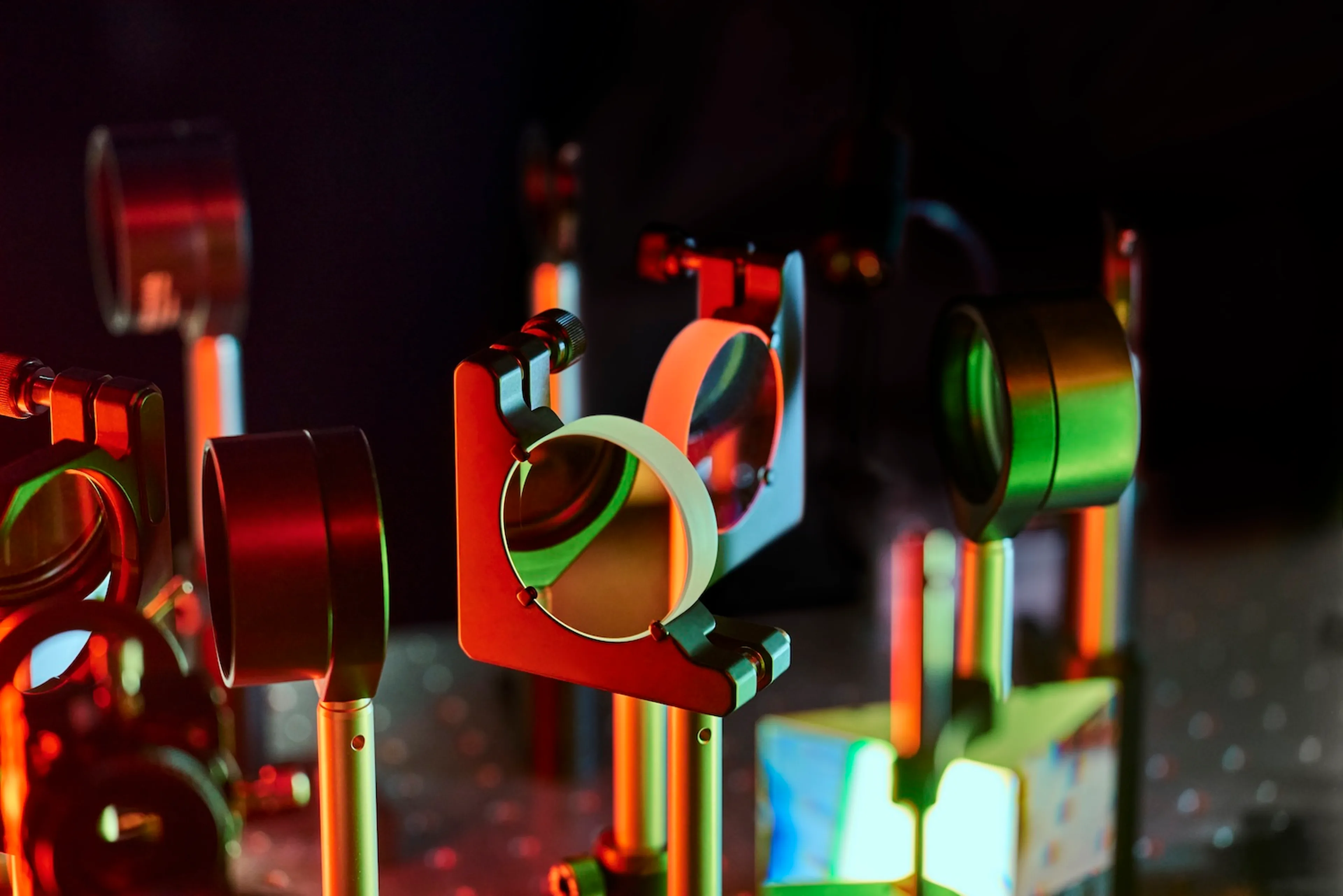
How do these lenses achieve this? According to Dr. Black, it comes down to a combination of the high-quality material used—which reduces dispersion, resulting in clearer vision—and the shape of the lens. In general, refractive lenses are made with a mild bend on the surface that allows the light to focus on different foci, Dr. Carones explains. With refractive lenses based on a continuous change in power, the light focuses on a continuous elongated focus. Other types of lenses can contain ridges or rings on the surface that split the light multiple ways, which corrects vision but causes those pesky visual disturbances, he adds.
Meeting patient expectations
Purely refractive lens technology based on a continuous change in power is a game-changer for patient satisfaction. Generally speaking, most people neurologically adapt to dysphotopsia like glare and halos while driving at night, and that'll settle sometime after surgery, Dr. Black adds. “But not all people do. Additionally, if you have blurred distance vision due to uncorrected refractive errors, you need a pair of glasses to fix that.”
Most patients undergoing cataract surgery expect to have clear distance vision so they don’t need glasses for driving or watching TV. For many patients, needing glasses for close-up tasks, such as reading small print, can be less disruptive and easier to accept, Dr. Carones says.
As Dr. Carones puts it: “The PureSee started a little bit of a revolution in terms of what the lens delivers compared to the previous technologies. It really merges the need of patients with less of a spectacles reliance, but without compromising quality of vision.”
References
- Lim KS, Mishra A. Sir Harold Ridley as the pioneer of intraocular lenses: his inspiration drawn from World War II pilots. Cureus. 2024;16(9):e68722. doi:10.7759/cureus.68722
- Werner L. The six generations of the intraocular lens evolution. J Cataract Refract Surg. 2024;50(7):665-667. doi:10.1097/j.jcrs.0000000000001476
- World Health Organization. One in two people facing cataract blindness need access to life-changing surgery. Published February 11, 2026.
- Stern B, Gatinel D. Presbyopia correction in lens replacement surgery: a review. Clin Exp Ophthalmol. 2025;53(6):668-681. doi:10.1111/ceo.14535
- Kaur K, Gurnani B. Contrast sensitivity. In: StatPearls [Internet]. StatPearls Publishing; updated June 11, 2023.
- Pusnik A, Petrovski G, Lumi X. Dysphotopsias or unwanted visual phenomena after cataract surgery. Life (Basel). 2023;13(1):53. doi:10.3390/life13010053
- Black DA, Bala C, Alarcon A, Vilupuru S. Tolerance to refractive error with a new extended depth of focus intraocular lens. Eye (Lond). 2024;38(Suppl 1):15-20. doi:10.1038/s41433-024-03040-1
- Rocha KM, da Costa E, Dodhia M, Waring GO 4th. Tolerance to induced astigmatism with a monofocal intraocular lens designed to extend the depth of focus. J Refract Surg. 2023;39(4):222-228. doi:10.3928/1081597X-20230126-02
- Ribeiro F, Piñero DP, Dick HB, Findl O, Cochener B, Kohnen T. Should enhanced monofocal intraocular lenses be the standard of care? An evidence-based appraisal by the ESCRS Functional Vision Working Group. J Cataract Refract Surg. 2024;50(8):789-793. doi:10.1097/j.jcrs.0000000000001479
- Black DA, Bala C, Alarcon A, Vilupuru S. Tolerance to refractive error with a new extended depth of focus intraocular lens. Eye (Lond). 2024;38(Suppl 1):15-20. doi:10.1038/s41433-024-03040-1
INDICATIONS and IMPORTANT SAFETY INFORMATION for TECNIS PureSee™ IOL and TECNIS PureSee™ Toric II IOLs with TECNIS SIMPLICITY™ Delivery System
Rx Only
INDICATIONS FOR USE:
The TECNIS SIMPLICITY™ Delivery System is used to fold and assist in inserting the TECNIS PureSee™ IOL, which is indicated for primary implantation for the visual correction of aphakia in adult patients with less than 1 diopter of pre-existing corneal astigmatism in whom a cataractous lens has been removed. The lens mitigates the effects of presbyopia by providing an extended depth of focus. Compared to an aspheric monofocal IOL, the TECNIS PureSee™ IOL provides improved intermediate visual acuity, while maintaining comparable distance visual acuity. The lens is intended for capsular bag placement only.
The TECNIS SIMPLICITY™ Delivery System is used to fold and assist in inserting the TECNIS PureSee™ Toric II IOLs, which are indicated for primary implantation for the visual correction of aphakia and for reduction of refractive astigmatism in adult patients with greater than or equal to 1 diopter of preoperative corneal astigmatism in whom a cataractous lens has been removed. The lenses mitigate the effects of presbyopia by providing an extended depth of focus. Compared to an aspheric monofocal IOL, the TECNIS PureSee™ Toric II IOLs provide improved intermediate visual acuity, while maintaining comparable distance visual acuity. The lenses are intended for capsular bag placement only.
WARNINGS:
- Physicians should weigh the potential benefit/risk ratio of IOL implantation in patients with any of the conditions listed below, as intraocular lenses may exacerbate an existing condition or may pose an unreasonable risk to the eyesight of patients. The following conditions are not specific to the design of the IOL and are attributed to cataract surgery and/or IOL implantation in general:
a. Recurrent severe anterior or posterior segment inflammation of unknown etiologyb. Posterior segment diseases of which monitoring or treatment ability may be limited by an intraocular lens
c. Surgical difficulties at the time of cataract extraction and/or intraocular lens implantation that might increase the potential for complications (e.g., persistent bleeding, significant iris damage, uncontrolled positive pressure, or significant vitreous prolapse or loss)
d. Compromised posterior capsule or zonules due to previous trauma or developmental defect in which appropriate support of the IOL is not possible
e. Risk of damage to the endothelium during implantation
f. Suspected microbial infection
g. Congenital bilateral cataracts
h. Previous history of, or a predisposition to, retinal detachment
i. Potentially good vision in only one eye
j. Medically uncontrollable glaucoma
k. Corneal endothelial dystrophy
l. Proliferative diabetic retinopathy - Rotation of the toric lens away from its intended axis can reduce its astigmatic correction. Misalignment greater than 30° may increase postoperative refractive cylinder. If necessary, lens repositioning should occur as early as possible prior to lens encapsulation.
- Do not attempt to disassemble, modify or alter the delivery system or any of its components, as this can significantly affect the function and/or structural integrity of the design.
- Do not use if the cartridge of the delivery system is cracked or split prior to implantation.
- Do not implant the lens if the rod tip does not advance the lens or if it is jammed in the delivery system.
- Do not stop, reverse or advance the plunger too slowly (for example more than 1 second) during initial lens advancement. Doing so may result in improper folding of the lens.
- Do not advance the lens from the Holding Position prior to fully hydrating the system. A minimum of 1 minute at the Holding Position is required to fully hydrate the system to prevent sticking and a potential scratch or crack to the lens.
- Do not advance the lens from the Holding Position until ready for implantation. Interruptions during delivery may result in the lens being scratched or cracked or stuck in the cartridge. Discard the device if the lens has been advanced past the Holding Position but not delivered within 60 seconds.
- The lens and delivery system should be discarded if the lens has been folded within the cartridge for more than 10 minutes. Not doing so may result in the lens being stuck in the cartridge.
- Johnson & Johnson Surgical Vision, Inc., single-use medical devices are labeled with instructions for use and handling to minimize exposure to conditions which may compromise the product, patient, or the user. When used according to the directions for use, the delivery system minimizes the risk of infection and/or inflammation associated with contamination.
- The reuse/resterilization/reprocessing of Johnson & Johnson Surgical Vision, Inc. single-use medical devices may result in physical damage to the medical device, failure of the medical device to perform as intended, and patient illness or injury due to infection, inflammation, and/or illness due to product contamination, transmission of infection, and lack of product sterility.
PRECAUTIONS:
- Prior to surgery, the surgeon must inform prospective patients of the possible risks and benefits associated with the use of this device and provide a copy of the patient information brochure to the patient.
- Autorefractors may not provide optimal postoperative refraction of patients with the IOL. Manual refraction with maximum plus technique is strongly recommended.
- This is a single-use device. Do not resterilize the lens or the delivery system. Most sterilizers are not equipped to sterilize the soft acrylic material of the IOL and the preloaded inserter material without producing undesirable side effects.
- Do not store the device in direct sunlight or at a temperature under 41°F (5°C) or over 95°F (35°C).
- Do not autoclave the delivery system.
- The contents are sterile unless the package is opened or damaged.
- Do not use if the delivery system has been dropped or if any part was inadvertently struck while outside the shipping box. The sterility of the delivery system and/or the lens may have been compromised.
- The recommended temperature for implanting the lens is at least 63°F (17°C).
- Do not advance the lens unless ready for lens implantation.
- Do not leave the lens in a folded position more than 10 minutes.
- When the delivery system is used improperly, the lens may not be delivered properly (i.e., haptics may be broken). Please refer to the specific Directions For Use section provided.
- The use of balanced salt solution or ophthalmic viscosurgical devices (OVDs) is required when using the delivery system. For optimal performance when using OVD, use the HEALON™ family of OVDs. The use of balanced salt solution with additives has not been studied for this product.
- The lens should be placed entirely in the capsular bag. The lens should not be placed in the ciliary sulcus.
- Carefully remove all viscoelastic and do not over-inflate the capsular bag at the end of the case. Residual viscoelastic and/or over-inflation of the capsular bag may allow the lens to rotate, causing misalignment of the toric lens with the intended axis of placement.
- Do not reuse.
- Recent contact lens usage may affect the patient’s refraction; therefore, in contact lens wearers, surgeons should establish corneal stability without contact lenses prior to determining IOL power.
- The IOL is designed for optimum visual performance when emmetropia is targeted.
- The TECNIS™ Toric IOL Calculator includes a feature that accounts for posterior corneal astigmatism (PCA). The PCA is based on an algorithm that combines published literature (Koch, et al., 2012) and a retrospective analysis of data from a TECNIS™ Toric multi-center clinical study. The PCA algorithm for the selection of appropriate cylinder power and axis of implantation was not assessed in the prospective TECNIS™ Toric IOL U.S. IDE study and may yield results different from those in the TECNIS PureSee™ Toric II IOL labeling. Please refer to the TECNIS™ Toric IOL Calculator user manual for more information.
- The use of methods other than the TECNIS™ Toric IOL Calculator to select cylinder power and appropriate axis of implantation were not assessed in the TECNIS™ Toric IOL U.S. IDE study and may not yield similar results. Accurate keratometry and biometry, in addition to the use of the TECNIS™ Toric IOL Calculator (www.TecnisToricCalc.com) are recommended to achieve optimal visual outcomes for the TECNIS PureSee™ Toric II IOLs.
- All preoperative surgical parameters are important when choosing a toric lens for implantation, including preoperative keratometric cylinder (magnitude and axis), incision location, the surgeon’s estimated surgically induced astigmatism (SIA) and biometry. Variability in any of the preoperative measurements can influence patient outcomes and the effectiveness of treating eyes with lower amounts of preoperative corneal astigmatism. The effectiveness of the toric lens in reducing postoperative residual astigmatism in patients with preoperative corneal astigmatism less than 1.0 diopter has not been demonstrated.
- All corneal incisions were placed temporally in the TECNIS™ Toric IOL U.S. IDE study. If the surgeon chooses to place the incision at a different location, outcomes may be different from those obtained for the TECNIS™ Toric IOL. Note that the TECNIS™ Toric IOL Calculator incorporates the surgeon’s estimated SIA and incision location when providing IOL options.
- Children under the age of 2 years are not suitable candidates for intraocular lenses.
- The safety and effectiveness of the TECNIS PureSee™ IOLs have not been substantiated in pregnant women, patients under the age of 22 or those with preexisting ocular conditions and intraoperative complications, including those specified in the Warnings and Precautions. Careful preoperative evaluation and sound clinical judgment should be used by the surgeon to decide the benefit/risk ratio before implanting a lens in a patient with one or more of these conditions.
Before Surgery- Pupil abnormalities
- Prior corneal refractive or intraocular surgery
- Choroidal hemorrhage
- Chronic severe uveitis
- Concomitant severe eye disease
- Extremely shallow anterior chamber
- Medically uncontrolled glaucoma
- Microphthalmos
- Non-age-related cataract
- Proliferative diabetic retinopathy (severe)
- Severe corneal dystrophy
- Severe optic nerve atrophy
- Irregular corneal astigmatism
- Amblyopia
- Macular disease
During Surgery- Excessive vitreous loss
- Non-circular capsulotomy/capsulorhexis
- The presence of radial tears known or suspected at the time of surgery
- Situations in which the integrity of the circular capsulotomy/ capsulorhexis cannot be confirmed by direct visualization
- Cataract extraction by techniques other than phacoemulsification or liquefaction
- Capsular rupture
- Significant anterior chamber hyphema
- Uncontrollable positive intraocular pressure
- Zonular damage
Potential complications generally associated with cataract surgery include, but are not limited to: endophthalmitis/intraocular infection, hypopyon, hyphema, IOL dislocation, persistent cystoid macular edema, pupillary block, retinal detachment/tear, persistent corneal stromal edema, persistent uveitis, persistent raised intraocular pressure (IOP) requiring treatment (e.g., AC tap), retained lens material, or toxic anterior segment syndrome, or any other adverse event that leads to permanent visual impairment or requires surgical or medical intervention to prevent permanent visual impairment.
ATTENTION
Reference the Directions for Use for a complete listing of Indications and Important Safety Information.
INDICATIONS and IMPORTANT SAFETY INFORMATION for TECNIS EYHANCE™ and TECNIS EYHANCE™ Toric II IOLs with TECNIS SIMPLICITY™ Delivery System
Rx Only
INDICATIONS FOR USE
The TECNIS SIMPLICITY™ Delivery System is used to fold and assist in inserting the TECNIS EYHANCETM IOL for the visual correction of aphakia in adult patients in whom a cataractous lens has been removed by extracapsular cataract extraction. The lens is intended to be placed in the capsular bag.
The TECNIS SIMPLICITY™ Delivery System is used to fold and assist in inserting the TECNIS EYHANCETM Toric II IOLs for the visual correction of aphakia and pre-existing corneal astigmatism of one diopter or greater in adult patients with or without presbyopia in whom a cataractous lens has been removed by phacoemulsification and who desire reduction in residual refractive cylinder. The lens is intended to be placed in the capsular bag.
WARNINGS
Physicians considering lens implantation under any of the following circumstances should weigh the potential risk/benefit ratio:
- Patients with any of the following conditions may not be suitable candidates for an intraocular lens because the lens may exacerbate an existing condition, may interfere with diagnosis or treatment of a condition or may pose an unreasonable risk to the patient’s eyesight. These conditions are not specific to the design of the lens and are attributed to cataract surgery and IOL implantation in general:
b. Patients with recurrent severe anterior or posterior segment inflammation or uveitis of unknown etiology, or any disease producing an inflammatory reaction in the eye.
c. Patients in whom the intraocular lens may affect the ability to observe, diagnose or treat posterior segment diseases.
d. Surgical difficulties at the time of cataract extraction, which may increase the potential for complications (e.g., persistent bleeding, significant iris damage, uncontrolled positive pressure or significant vitreous prolapse or loss).
e. A compromised eye due to previous trauma or developmental defects in which appropriate support of the IOL is not possible.
f. Circumstances that would result in damage to the endothelium during implantation.
g. Suspected microbial infection.
Patients in whom neither the posterior capsule nor the zonules are intact enough to provide support for the IOL.
h. Congenital bilateral cataracts.
i. Previous history of, or a predisposition to, retinal detachment.
j. Patients with only one good eye with potentially good vision.
k. Medically uncontrollable glaucoma.
l. Corneal endothelial dystrophy.
m. Proliferative diabetic retinopathy.
n. Children under the age of 2 years are not suitable candidates for intraocular lenses. - The lens should be placed entirely in the capsular bag. Do not place the lens in the ciliary sulcus.
- Johnson & Johnson Surgical Vision, Inc. single-use medical devices are labeled with instructions for use and handling to minimize exposure to conditions which may compromise the product, patient, or the user. When used according to the directions for use, the delivery system minimizes the risk of infection and/or inflammation associated with contamination.
- The reuse/resterilization/reprocessing of Johnson & Johnson Surgical Vision, Inc. single-use devices may result in physical damage to the medical device, failure of the medical device to perform as intended, and patient illness or injury due to infection, inflammation, and/or illness due to product contamination, transmission of infection, and lack of product sterility.
- The clinical study for the TECNIS™ Toric 1-Piece IOL did not show evidence of effectiveness for the treatment of preoperative corneal astigmatism of less than one diopter.
- Rotation of the toric lens from its intended axis can reduce its astigmatic correction. Misalignment greater than 30° may increase postoperative refractive cylinder. If necessary, lens repositioning should occur as early as possible prior to lens encapsulation.
- Do not attempt to disassemble, modify or alter the delivery system or any of its components, as this can significantly affect the function and/or structural integrity of the design.
- Do not use if the cartridge of the delivery system is cracked or split prior to implantation.
- Do not implant the lens if the rod tip does not advance the lens or if it is jammed in the delivery system.
- During initial lens advancement, quick advancement of the plunger is needed. Do not stop or reverse while advancing the plunger. Doing so may result in improper folding of the lens.
- After initial lens advancement and the half turn rotation step, do not move the plunger forward until ready for lens implantation. Doing so may result in the lens being stuck in the cartridge.
- The lens and delivery system should be discarded if the lens has been folded within the cartridge for more than 10 minutes. Not doing so may result in the lens being stuck in the cartridge.
PRECAUTIONS
- The safety and effectiveness of the TECNIS EYHANCE™ IOL and TECNIS EYHANCE™ Toric II IOL has not been substantiated in clinical trials. The effects of the TECNIS EYHANCE™ IOL optical design on quality of vision, contrast sensitivity, and subjective visual disturbances (glare, halo, etc.) have not been evaluated clinically. MTF testing of the TECNIS EYHANCE™ IOL may aid the Surgeon in understanding the theoretical image quality expected with the TECNIS EYHANCE™ IOL compared to other Johnson & Johnson Surgical Vision monofocal IOLs (AAB00 and ZCB00). However, these do not fully assess all aspects of clinical difficulties under all conditions. Surgeons must weigh the potential benefits of the modified optical design of the TECNIS EYHANCE™ IOL against the potential for risks and the lack of clinical data to characterize the impact of the TECNIS EYHANCE™ IOL optical design on contrast sensitivity and subjective visual disturbance. These considerations may be especially relevant to patients with certain pre-existing ocular conditions (prior corneal refractive surgery, irregular corneal astigmatism, severe corneal dystrophy, macular disease, optic nerve atrophy, etc.) or intraoperative conditions (posterior capsular rupture, complications in which the IOL stability could be compromised, inability to place IOL in capsular bag, etc.).
- Prior to surgery, the surgeon must inform prospective patients of the possible risks and benefits associated with the use of this device and provide a copy of the patient information brochure to the patient.
- Some autorefractors utilize only the central part of the IOL to calculate the refraction of the eye and that is the region where the TECNIS EYHANCE™ deviates from the monofocal design which could result in a wrong estimation of the refraction. Manual refraction with maximum plus technique is strongly recommended.
- Recent contact lens usage may affect the patient's refraction; therefore, for patients who wear contact lenses, surgeons should establish corneal stability without contact lenses prior to determining IOL power.
- The lens is designed for optimum visual performance when emmetropia is targeted.
- This is a single use device, do not resterilize the lens or the delivery system. Most sterilizers are not equipped to sterilize the soft acrylic material and the preloaded inserter material without producing undesirable side effects.
- Do not store the device in direct sunlight or at a temperature under 5°C (41°F) or over 35°C (95°F).
- Do not autoclave the delivery system.
- Do not advance the lens unless ready for lens implantation.
- The contents are sterile unless the package is opened or damaged.
- The recommended temperature for implanting the lens is at least 17°C (63°F).
- The use of Balanced Salt Solution or viscoelastics is required when using the delivery system. For optimal performance when using OVD, use the HEALON™ family of viscoelastics. The use of Balanced Salt Solution with additives has not been studied for this product.
- Do not use if the delivery system has been dropped or if any part was inadvertently struck while outside the shipping box. The sterility of the delivery system and/or the lens may have been compromised.
- Do not leave the lens in a folded position more than 10 minutes.
- When the delivery system is used improperly, the lens may not be delivered properly (i.e., haptics may be broken). Please refer to the specific instructions for use provided.
- Carefully remove all viscoelastic and do not over-inflate the capsular bag at the end of the case. Residual viscoelastic and/or over-inflation of the capsular bag may allow the lens to rotate, causing misalignment of the TECNIS EYHANCETM Toric II IOL with the intended axis of placement.
- The use of methods other than the TECNIS™ Toric Calculator to select cylinder power and appropriate axis of implantation were not assessed in the clinical study for the TECNIS™ Toric 1-Piece IOLs. and may not yield similar results. Accurate keratometry and biometry, in addition to the use of the TECNIS™ Toric Calculator (www.TecnisToricCalc.com) are recommended to achieve optimal visual outcomes.
- The safety and effectiveness of the TECNIS EYHANCETM Toric II IOLs have not been substantiated in patients with the following preexisting ocular conditions and intraoperative complications (see below). Careful preoperative evaluation and sound clinical judgment should be used by the surgeon to decide the benefit/risk ratio before implanting a lens in a patient with one or more of these conditions.
Before Surgery- Choroidal hemorrhage
- Chronic severe uveitis
- Concomitant severe eye disease
- Extremely shallow anterior chamber
- Medically uncontrolled glaucoma
- Microphthalmos
- Non-age-related cataract
- Proliferative diabetic retinopathy (severe)
- Severe corneal dystrophy
- Severe optic nerve atrophy
- Irregular corneal astigmatism
During Surgery- Excessive vitreous loss
- Capsulotomy by any technique other than a circular tear
- The presence of radial tears known or suspected at the time of surgery
- Situations in which the integrity of the circular tear cannot be confirmed by direct visualization
- Cataract extraction by techniques other than phacoemulsification or liquefaction
- Situations where the need for a large capsulotomy can be anticipated (e.g., diabetics, retinal detachment in the fellow eye, peripheral retinal pathology, etc.)
- Capsular rupture
- Significant anterior chamber hyphema
- Uncontrollable positive intraocular pressure
- Zonular damage
- The PCA is based on an algorithm that combines published literature (Koch et.al, 2012) and a retrospective analysis of data from a TECNIS™ Toric multi-center clinical study. The PCA algorithm for the selection of appropriate cylinder power and axis of implantation was not assessed in a prospective clinical study and may yield results different from those in the TECNIS™ Toric intraocular lens labeling. Please refer to the Johnson & Johnson Surgical Vision, Inc. Toric Calculator user manual for more information.
- All preoperative surgical parameters are important when choosing a toric lens for implantation, including preoperative keratometric cylinder (magnitude and axis), incision location, surgeon’s estimated surgically induced astigmatism (SIA) and biometry. Variability in any of the preoperative measurements can influence patient outcomes, and the effectiveness of treating eyes with lower amounts of preoperative corneal astigmatism.
- All corneal incisions were placed temporally in the clinical study for the TECNIS™ Toric 1-Piece IOLs. If the surgeon chooses to place the incision at a different location, outcomes may be different from those obtained in the clinical study. Note that the TECNIS™ Toric Calculator incorporates the surgeon’s estimated SIA and incision location when providing IOL options.
ADVERSE EVENTS
Potential adverse events during or following cataract surgery with implantation of an IOL may include but are not limited to: endophthalmitis/intraocular infection, hypopyon, hyphema, IOL dislocation, cystoid macular edema, pupillary block, retinal detachment/tear, persistent corneal stromal edema, persistent iritis, persistent raised IOP (intraocular pressure) requiring treatment, acute corneal decompensation, secondary surgical intervention (including implant repositioning, removal, or other surgical procedure) and any other adverse event that leads to permanent visual impairment or requires surgical or medical intervention to prevent permanent visual impairment. The most frequently reported cumulative adverse event that occurred during the SENSAR™ 1-Piece IOL clinical trial was cystoid macular edema which occurred at a rate of 3.3%. Other reported events included secondary surgical intervention (pars plana vitrectomy with membrane peel) which occurred at a rate of 0.8% and lens exchange (torn haptic related to improper loading technique) which occurred at a rate of 0.8%. The most frequently reported cumulative adverse event that occurred during the TECNIS™ Toric 1-Piece IOL clinical trial was surgical re-intervention which occurred at a rate of 3.4% (lens repositioning procedures and retinal repair procedures). Other reported events included cystoid macular edema which occurred at a rate of 2.9% and retinal detachment which occurred at a rate of 0.6%.
ATTENTION: Reference the Directions for Use for a complete listing of Indications and Important Safety Information.