BIOPATCH™ Protective Disk with CHG
In the US each year, there are an estimated 250,000 Central Line‐Associated Bloodstream Infections, with up to 33,000 deaths and a potential cost of $1 billion to the health care system.1 BIOPATCH™ is the only dressing that is designed to deliver chlorhexidine gluconate a full 360 degrees around the catheter insertion site, providing optimized coverage and protection.2,3 It is the only sponge dressing with a cleared indication for the reduction of CRBSIs in central venous and arterial catheters, with proven clinical efficacy.3,4
.png?width=3840&quality=90&format=webp)
.png?width=3840&quality=90&format=webp)
_(1).png?width=3840&quality=90&format=webp)
.png?width=3840&quality=90&format=webp)
.png?width=3840&quality=90&format=webp)
About this device
BIOPATCH™ is a hydrophilic polyurethane absorptive foam with chlorhexidine gluconate (CHG). The foam material absorbs up to eight times its own weight in fluid, while the CHG incorporated into the dressing inhibits bacterial growth under the dressing. Chlorhexidine gluconate is a well-known antiseptic agent with broad-spectrum antimicrobial and antifungal activity.3
Economic evidence
The cost of a catheter-related bloodstream infection (CRBSI) is higher than the price of preventing it. A single CRBSI can cost up to $45,814, on average.5 Chlorhexidine-impregnated sponges for arterial and central venous catheters may save money by reducing major catheter-related infections.6
A controlled, randomized, clinical trial consisting of 687 subjects with 1699 central venous or arterial catheter insertion sites was conducted at two centers. Results showed that the use of BIOPATCH™ had a7:
- 44% reduction in the incidence of local infection (p≤0.0001)
- 60% reduction in the incidence of catheter-related blood stream infections (p=0.026)
Clinical value
BIOPATCH™ has a cleared indication to reduce the incidence of Catheter Related Bloodstream Infections (CRBSIs), local infections, and skin colonization in patients with central venous and arterial catheters.2,3
Only BIOPATCH™ has over 30 years of extensive clinical experience5, with more than:4,6-9
- 15 randomized controlled trials
- 13 Level II forms of evidence
- 6 Level III forms of evidence
Features & benefits
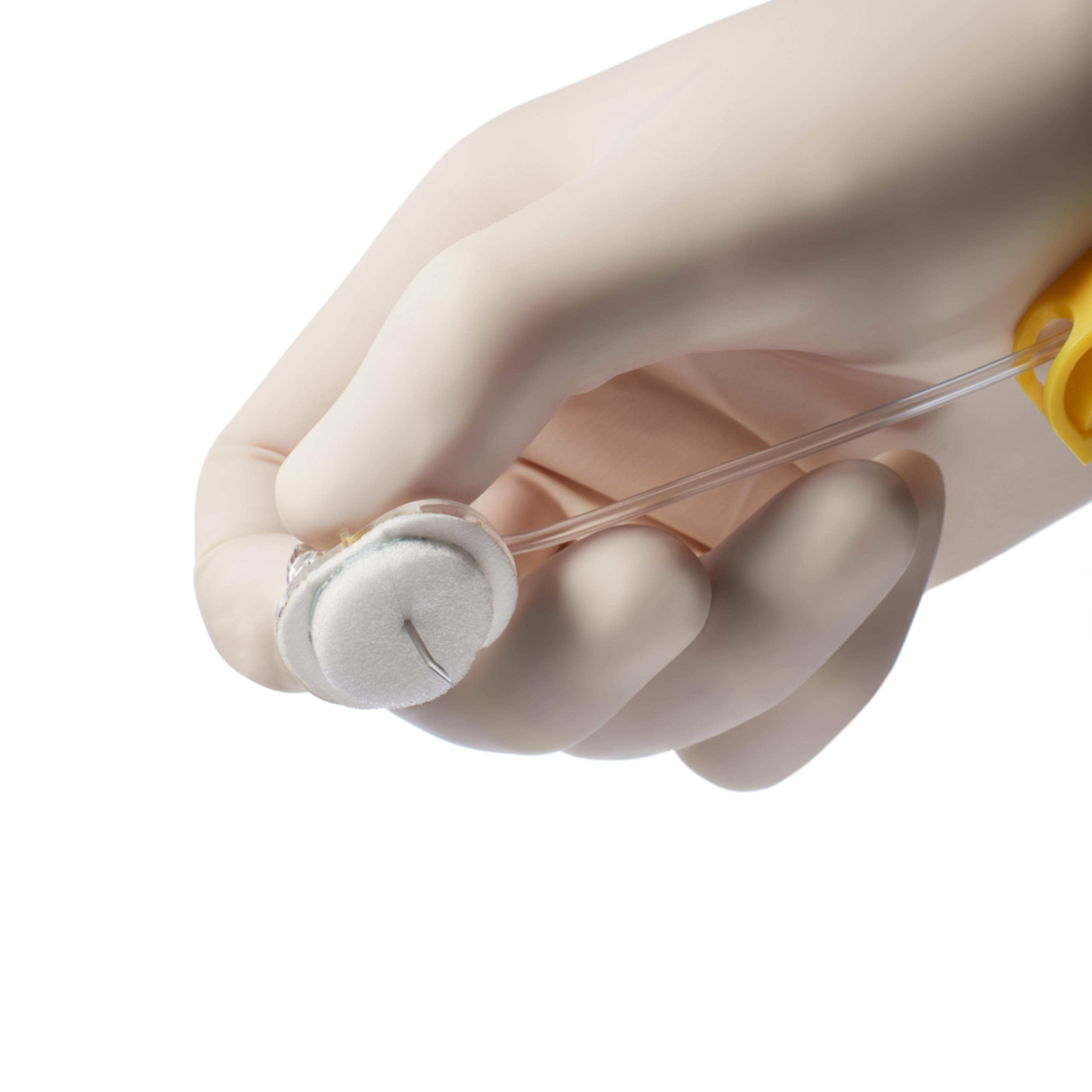
Lasting protection
Proprietary engineered polyurethane composite material is designed to continuously release CHG up to 7 days to maintain skin antisepsis.9
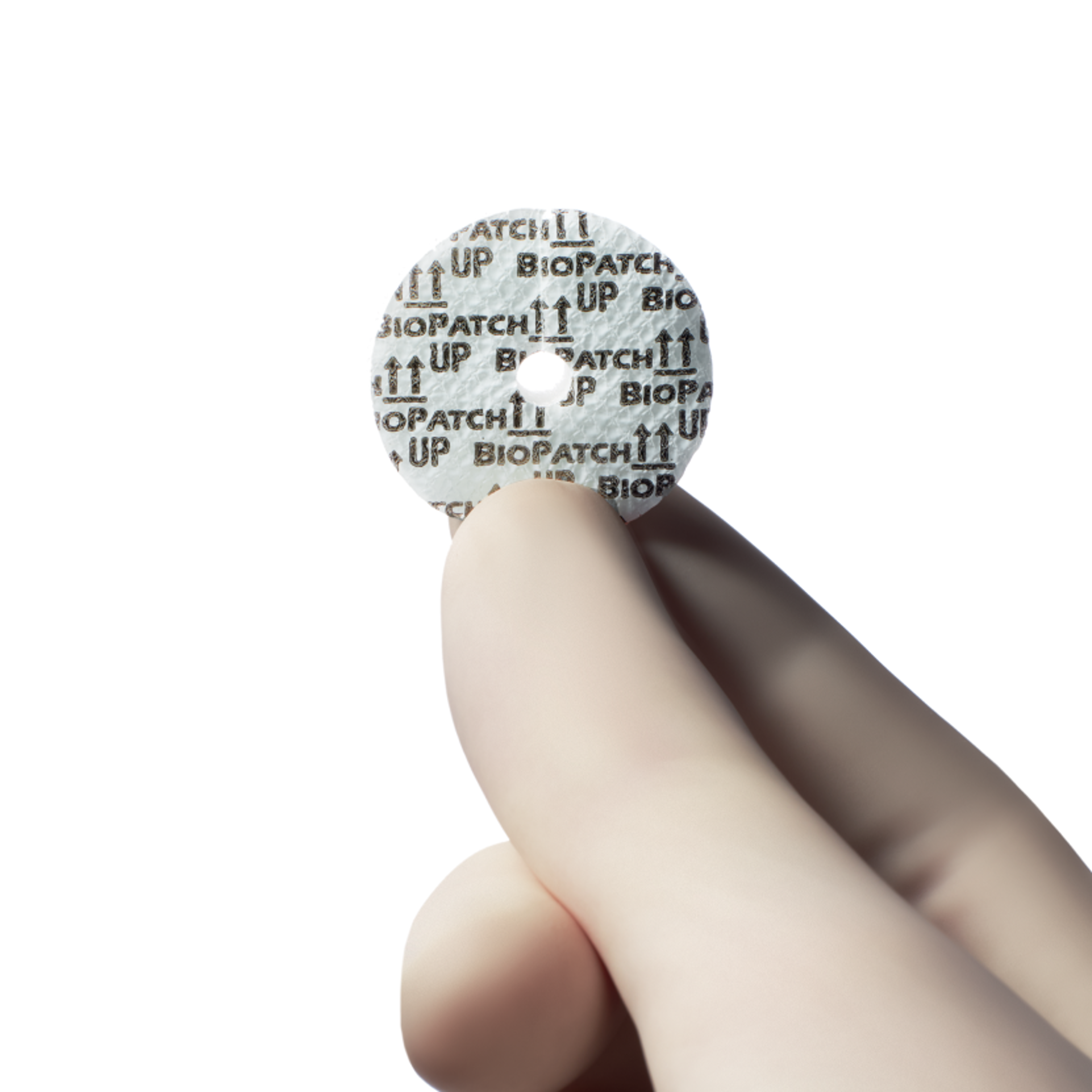
360-degree coverage
Designed to deliver chlorhexidine gluconate a full 360 degrees around the catheter insertion site providing optimized coverage and protection.2,3 It is trusted by more than 55% of hospitals in the US.12A
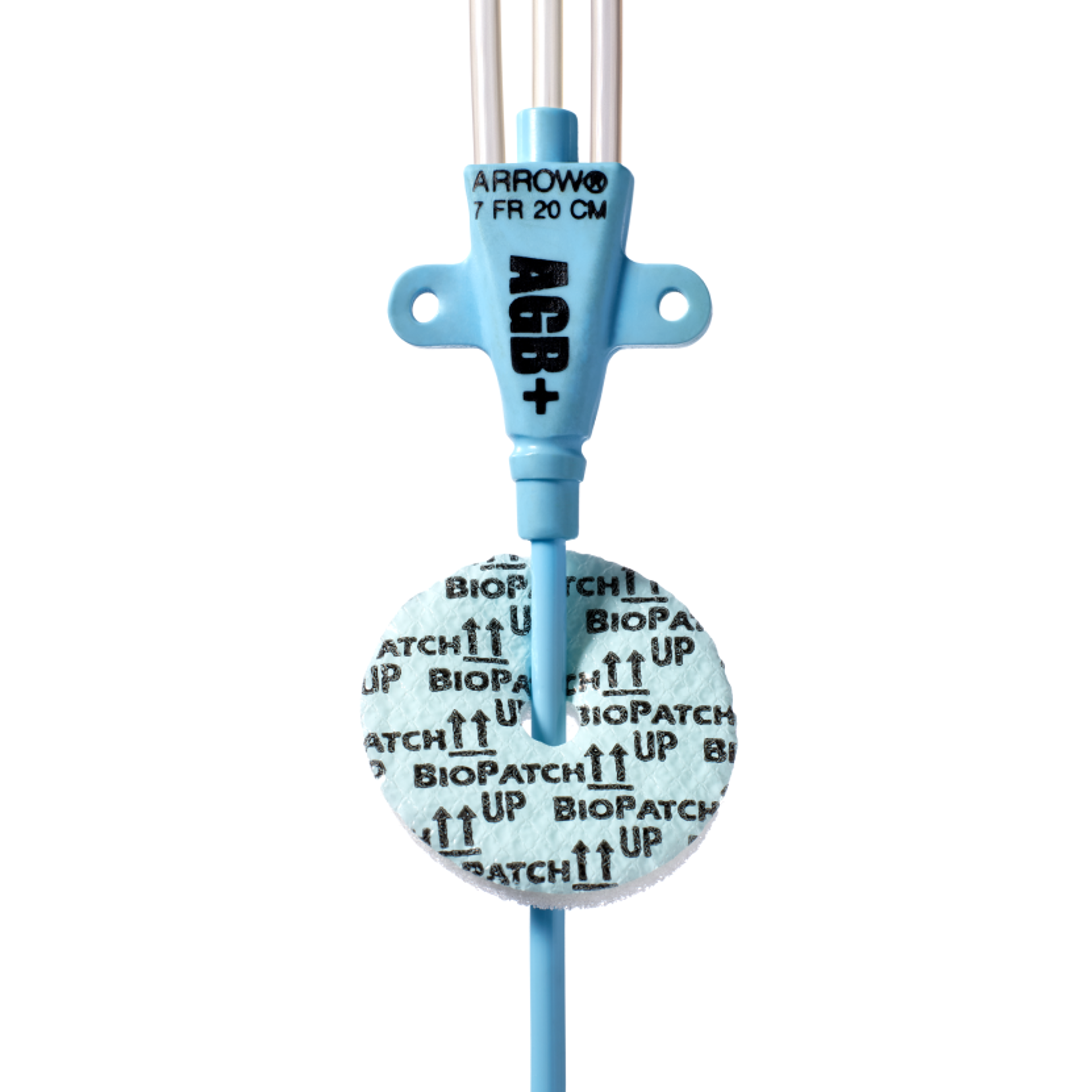
Easy to use
BIOPATCH™ dressing is easy to apply and remove. Removal of BIOPATCH™ is a simple, one-step process with no saline or alcohol swabs needed.3
Learn how to use this device
Supporting documentation
Video
Related products
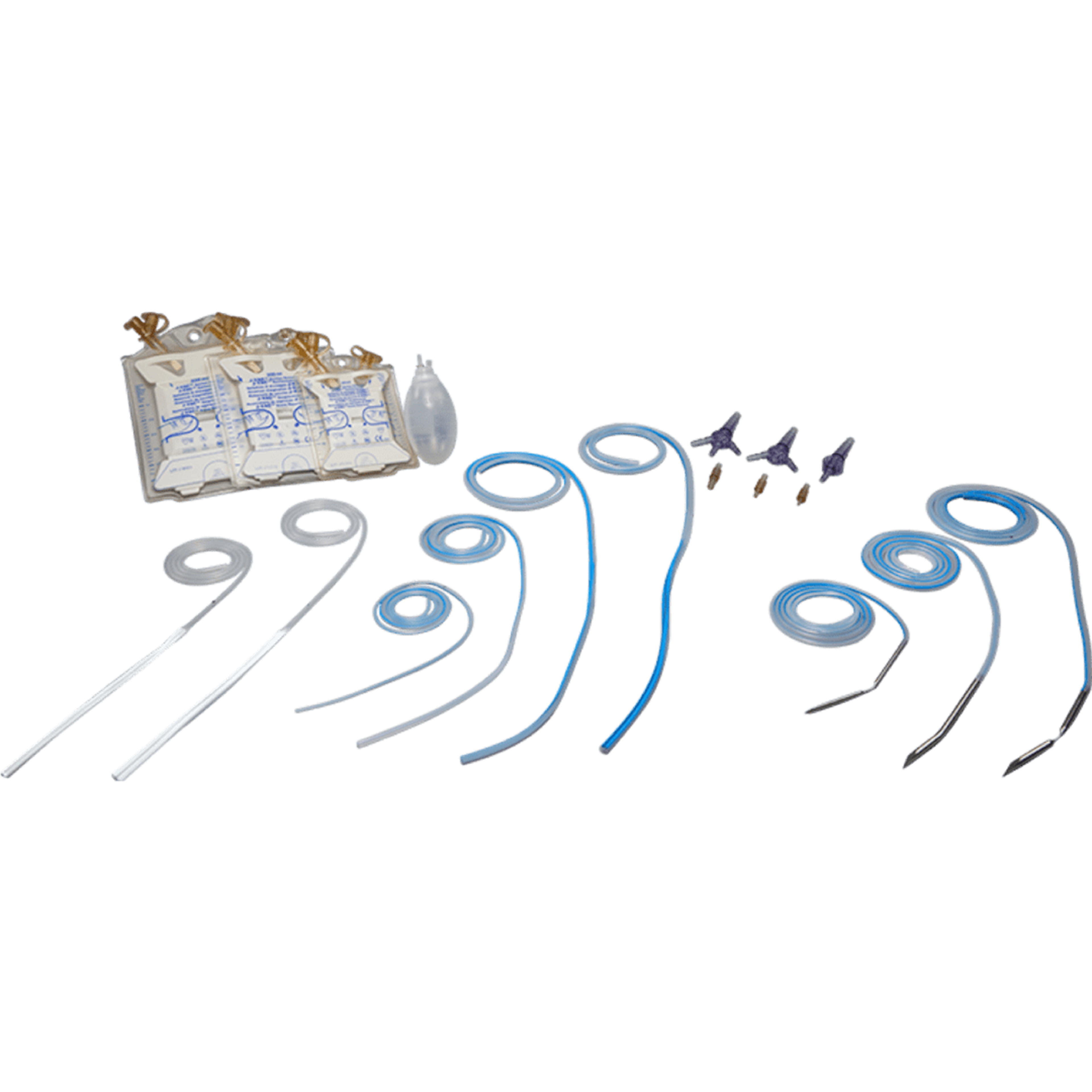
BLAKE™ Drains and JVAC™ Reservoirs
Removal of pus, blood, or other fluid during post-op is important to prevent excess fluid from accumulating in the body. BLAKE™ Drains have four continuous channels to increase the tissue contact area and multiple drainage routes to resist clogging.1,2 The channel minimizes trauma inflicted on surrounding tissue during removal in comparison to designs with holes.3,4
References
A. Based on 2023 market share data.
- The Joint Commission. Do no harm: Prevent Central Line-Associated Bloodstream Infections.
Accessed February 13, 2024 - Gonzalez S. Differences In Absorption Between BIOPATCH® And Tegaderm CHG Part II: Rate of absorption of different fluids. Ethicon, October, 2010. Ethicon, Inc.
- BIOPATCH™ Protective Disk with CHG Instructions for Use. Ethicon, Inc.
- Timsit JF, Schwebel C, Bouadma L, Geffroy A, Garrouste-Orgeas M, Pease S, et al. Chlorhexidine-impregnated sponges and less frequent dressing changes for prevention of catheter-related infections in critically ill adults: a randomized controlled trial. JAMA. 2009;301(12):1231-1241.
- Zimlichman E, Henderson D, Tamir O, et al. Health Care-Associated Infections. A Meta-analysis of Costs and Financial Impact on the US Health Care System. JAMA Intern Med. ePub September, 2013. doi:10.1001/jamainternmed.2013.9763.
- Schwebel C, et al. Economic evaluation of chlorhexidine-impregnated sponges for preventing catheter -related infections in critically ill adults in the Dressing Study. Critical Care Medicine 2012;40:11-17.
- Maki DG, Mermel L, Genthner D, Hua S, Chiacchierini RP: An evaluation of BIOPATCH™Antimicrobial Dressing compared to routine standard of care in the prevention of catheter-related blood stream infection. Ethicon, Inc. 2000.
- BIOPATCH™ Original 510K submission: prepared by VitaPhore Corporation. Premarket Notification, 510(k) : Regulatory Requirements for Medical Devices. Rockville, Md. : Washington, D.C. :U.S. Dept. of Health and Human Services, Public Health Service, Food and Drug Administration, Center for Devices and Radiological Health ; For sale by the Supt. of Docs., U.S. G.P.O., 1989. Print.
- Shapiro JM, Bond EL, Garman JK. Use of a chlorhexidine dressing to reduce microbial colonization of epidural catheters. Anesthesiology. 1990 Oct;73(4):625-31.
- Levy, I. et al. Chlorhexidine-Impregnated Dressing for Prevention of Colonization of Central Venous Catheters in Infants and Children. The Pediatric Infectious Disease Journal. 2005 August;24: 676–679.
- Garland, J. et al. A Randomized Trial Comparing Povidone-Iodine to a Chlorhexidine Gluconate-Impregnated Dressing for Prevention of Central Venous Catheter Infections in Neonates. Pediatrics. 2001;107;1431
- Global Business Insights. Ethicon U.S. Market & Share Insights Report. September 2023.
For complete indications, contraindications, warnings, precautions, and adverse reactions, please reference full package insert.
The third-party trademarks used herein are trademarks of their respective owners.
US_SRG_BIOP_217572.1