
Software
CARTO™ 3 System Version 8 advances mapping capabilities by bringing advanced tools for physicians across a range of procedures.1
Through enhanced signal analysis, improved substrate characterization and utilization of ultrasound technology, version 8 provides the tools to support efficient EP procedures and drive reproducible results.1
CARTO™ 3 System Version 8
The CARTO™ 3 System Version 8 is the base version of our latest software system. The CARTO™ 3 System provides several modules and optional features for differing clinical needs. Contact your sales representative for more information on utilizing our latest 3D Navigation & Mapping Technology.
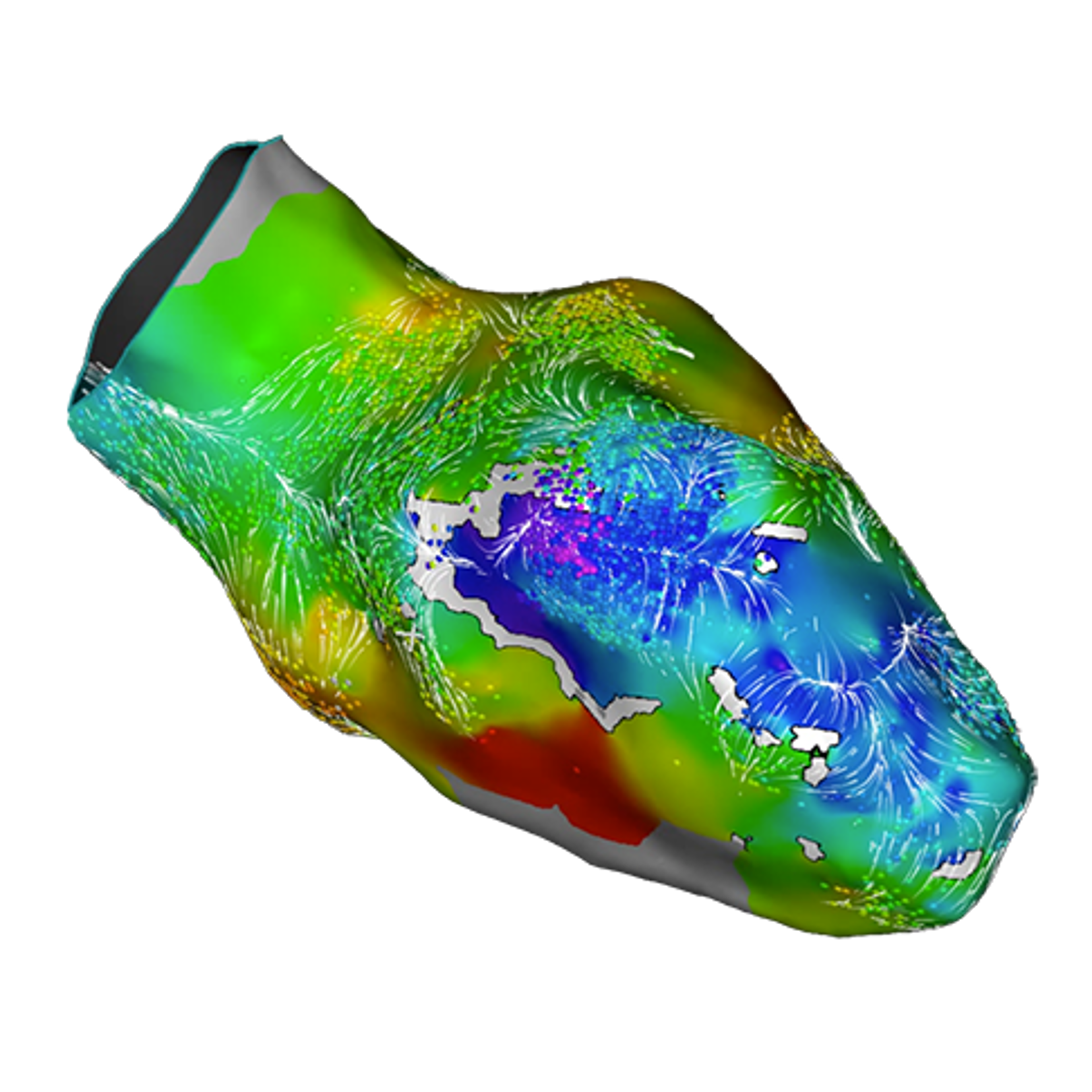
LAT Velocity Vectors
LAT Velocity Vectors (LVV) provides a representation of the activation wave velocity over a substrate map done in sinus rhythm or during pacing.
Local Velocity Vectors aims to improve the specificity of localizing the most arrhythmogenic regions within the scar and reduce the need to characterize the substrate properties under different activation wavefronts.*9
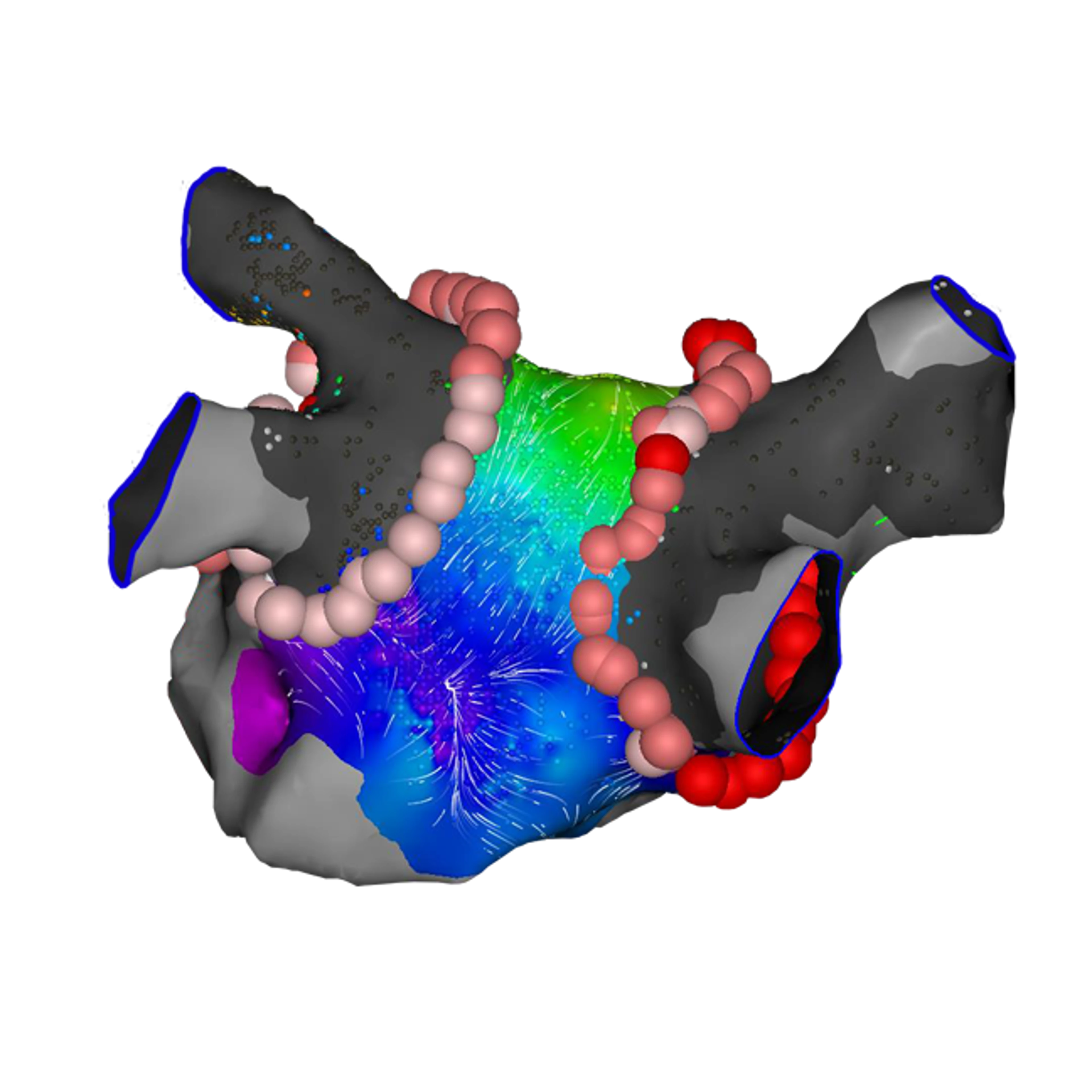
Stability+
The Stability+ algorithm continuously analyzes the overall movement of the catheter, separating the movement due to respiration from the actual catheter movement.**
This continuous analysis reduces the time for initial indication of stability and the appearance of VISITAG™ Sites.
.jpg?width=3840&quality=80&format=webp)
Intelligent mapping made simple2
Luigi Di Biase, M.D., PhD, FACC, FHRS, FESC
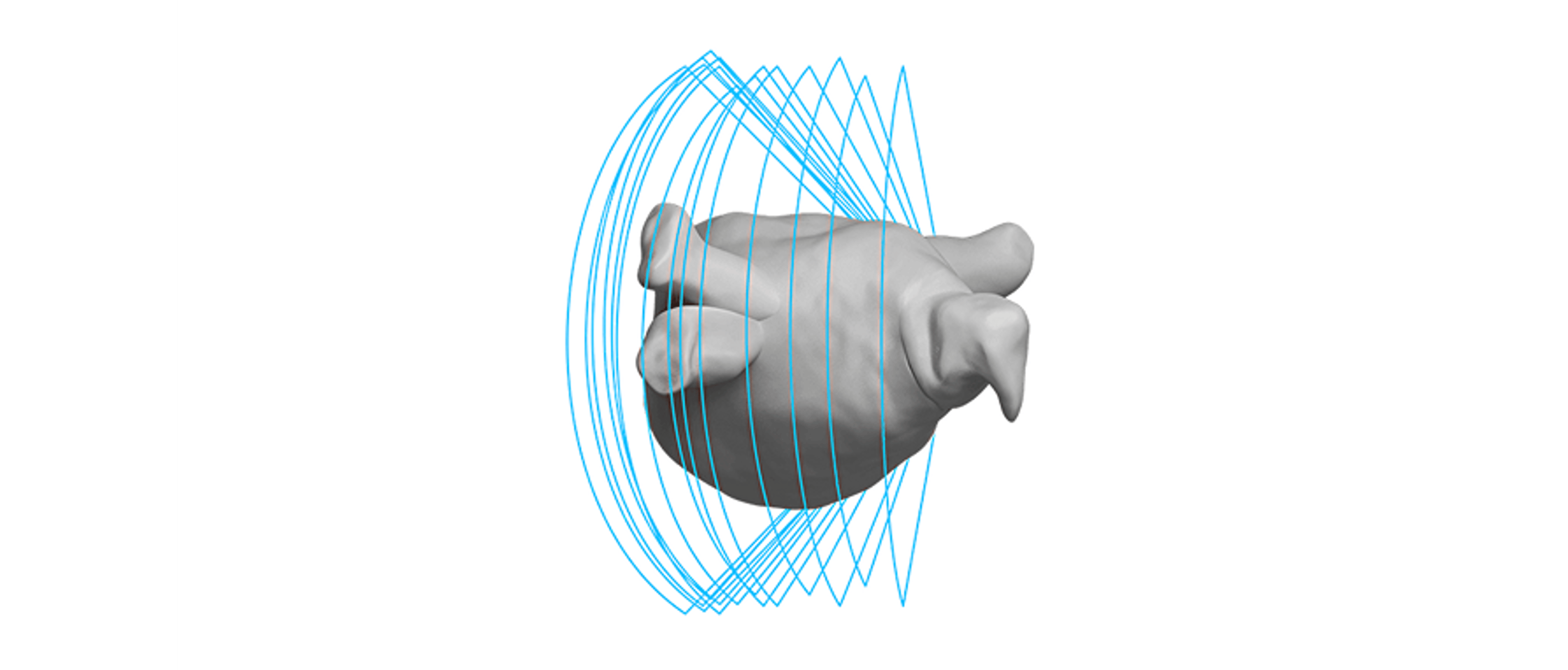
Anatomy at the speed of ultrasound
CARTOSOUND™ FAM Module
Powered by Artificial Intelligence, the CARTOSOUND™ FAM Module reconstructs the left atrial (LA) anatomy on the CARTO™ 3 System with a few rotations of your ultrasound catheter, eliminating the need for manual contouring.ii,6, 7
CARTOSOUND™ FAM Module automatically selects the frame for mapping based on a predefined settings from the acquired clip6
Automatically delineates key LA structures, simplifying your workflow7
Provides a simplified workflow experience driven by Frame Gating and Verified Respiration filtering7
Supporting with excellence
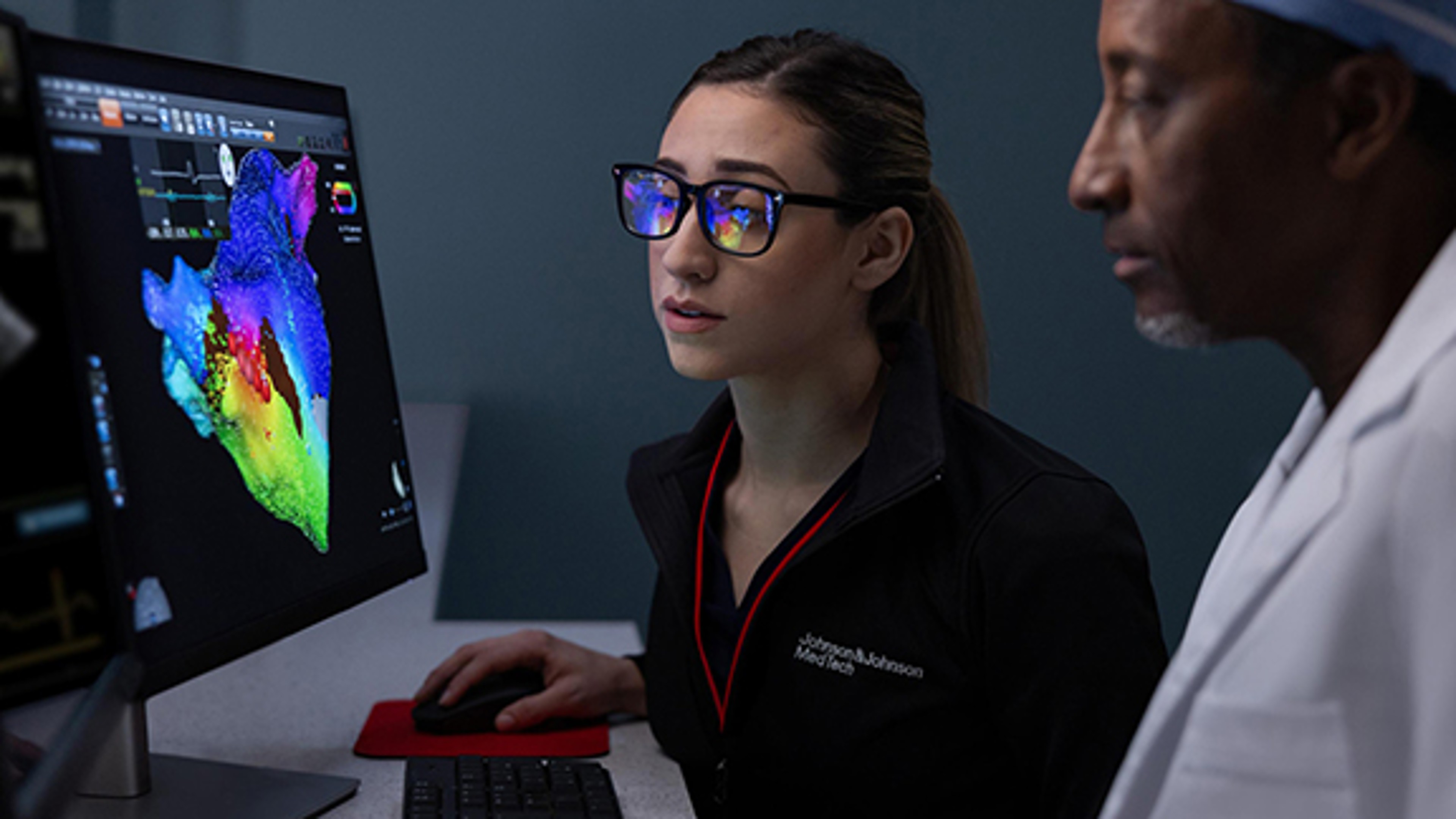
Expertise at your side
Our team of clinical specialists have a deep knowledge in every aspect of the mapping technology to complement your team’s skills and offer real-time insights when you need them.
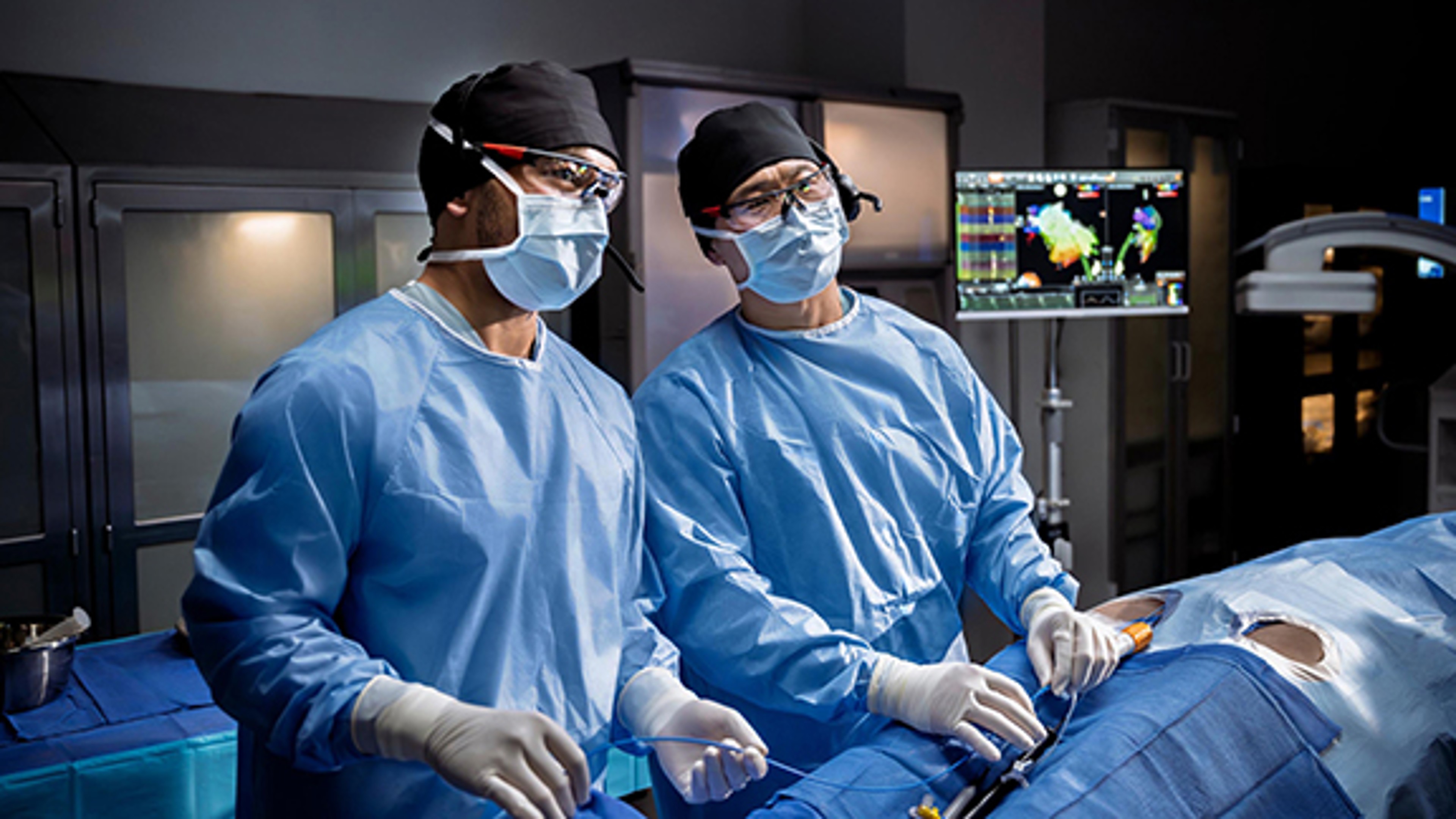
Training Expertise Centers
We offer a comprehensive site visit program to physicians and fellows who are interested in observing safe and effective utilization of our current technology during complex ablations in a clinical setting.

Therapy Advancement Program
With a focus on clear and accessible AFib education, insights from physician thought leaders, and compelling patient stories, Get Smart About AFib aims to be a trusted resource where physicians and providers can confidently refer their patients.
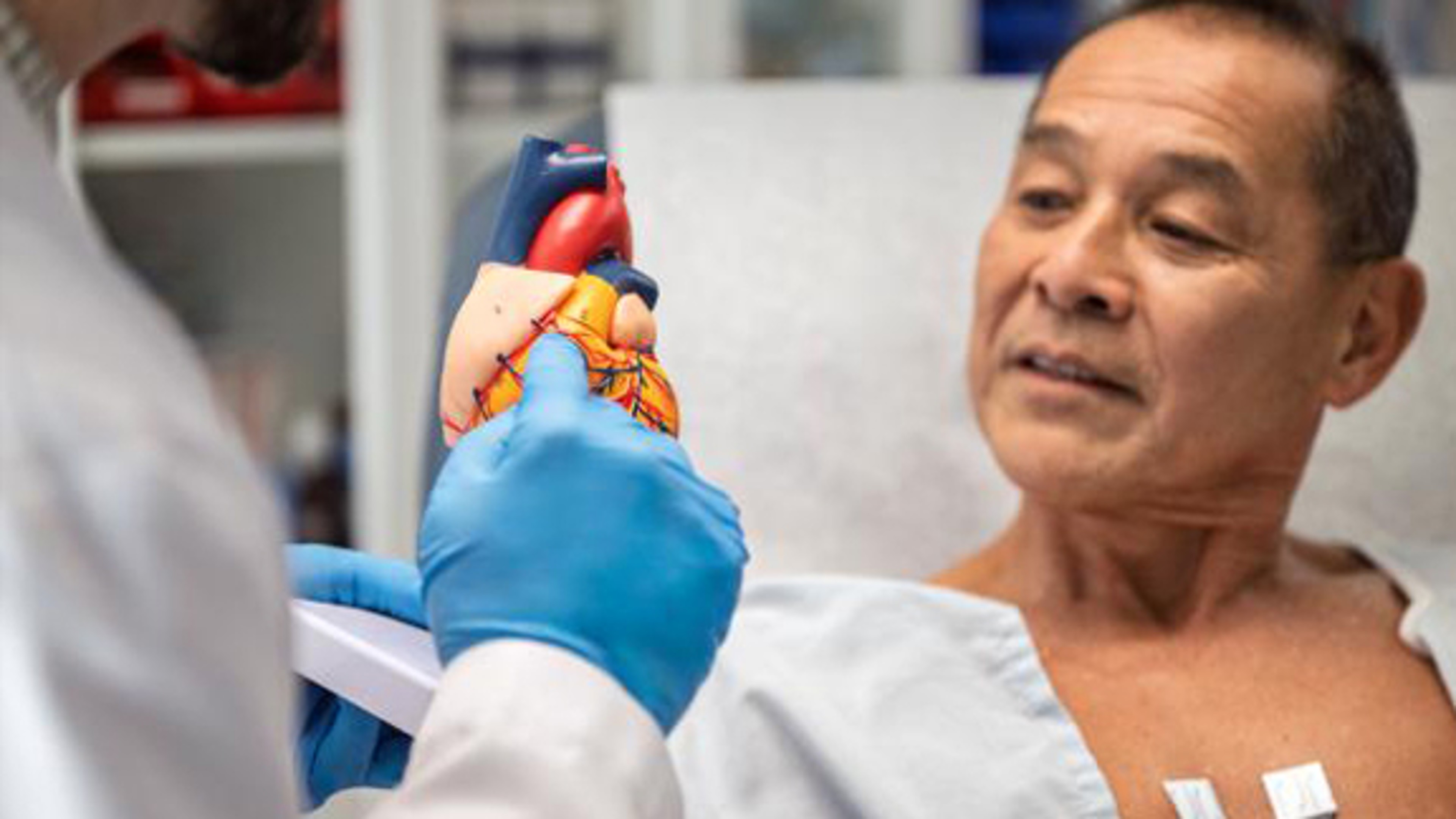
Patient Education Resources
With a focus on clear and accessible AFib education, insights from physician thought leaders, and compelling patient stories, Get Smart About AFib aims to be a trusted resource where physicians and providers can confidently refer their patients.
Supporting documentation
References
DO NOT use OPTRELL™ Mapping Catheters with TRUEref™ Technology in patients with prosthetic valves.
Important information: Prior to use, refer to the instructions for use supplied with this device for indications, contraindications, side effects, warnings and precautions. Caution: US law restricts this device to sale by or on the order of a physician.
- UG-5407-018H - ELEVATE Module Instructions for Use and Release Notes. UG-5400-008H - Instructions for Use Software Version 8.1
- REP16525 - CARTO 3 V8 SMARTMAP POD Report UG-5407-018H - ELEVATE Module Instructions for Use and Release Notes
- REP15105 - CARTO 3 V8 Multipolar POD Report
- Franco E et al. Automatic identification of areas with low-voltage fragmented electrograms for the detection of the critical isthmus of atypical atrial flutters. J Cardiovasc Electrophysiol. 2023 Feb;34(2):356-365.
- UG-5407-018H - ELEVATE Module Instructions for Use and Release Notes.
- Di Biase L, Zou F, Lin AN, et al. Feasibility of Three-Dimensional Artificial Intelligence Algorithm Integration with Intracardiac Echocardiography for Left Atrial Imaging During Atrial Fibrillation Catheter Ablation. Europace. 2023 Aug 2;25(9):euad211.
- CARTOSOUND™ FAM Module Instructions for Use. UG_5462-018H. October 2023
- References:
- Hussein A, Das M, Chaturvedi V, Asfour IK, Daryanani N et al. (2017) Prospective use of Ablation Index targets improves clinical outcomes following ablation for atrial fibrillation. J Cardiovasc Electrophysiol 8 (9) 1037 1047.
- Dhillon G, Ahsan S, Honarbakhsh S, Lim W, Baca M et al. (2018) A multicentered evaluation of ablation at higher power guided by ablation index: Establishing ablation targets for pulmonary vein isolation. J Cardiovasc Electrophysiol 30 (3) 357 365.
- Phlips T, Taghji P, El Haddad M, Wolf M, Knecht S et al. (2018) Improving procedural and one-year outcome after contact force-guided pulmonary vein isolation: the role of interlesion distance, ablation index, and contact force variability in the ‘CLOSE’-protocol. EP Europace 20 (3) 419 427.
- Taghji P, El Haddad M, Phlips T, Wolf M, Knecht S et al. (2018) Evaluation of a Strategy Aiming to Enclose the Pulmonary Veins With Contiguous and Optimized Radiofrequency Lesions in Paroxysmal Atrial Fibrillation: A Pilot Study. JACC: Clin Electrophysiol 4 (1) 99 108.
- Solimene F, Schillaci V, Shopova G, Urraro F, Arestia A et al. (2019) Safety and efficacy of atrial fibrillation ablation guided by Ablation Index module. J Interv Card Electrophysiol 54 9 15.
- Stabile G, Lepillier A, De Ruvo E, Scaglione M, Anselmino M et al. (2020) Reproducibility of pulmonary vein isolation guided by the ablation index: 1-year outcome of the AIR registry. J Cardiovasc Electrophysiol 31 (7) 1694 1701.
- Duytschaever M, Vijgen J, De Potter T, Scherr D, Van Herendael H et al. (2020) Standardized pulmonary vein isolation workflow to enclose veins with contiguous lesions: the multicentre VISTAX trial. EP Europace 22 (11) 1645 1652.
- Di Biase L, Monir G, Melby D, Tabereaux P, Natale A et al. (2021) Standardized VISITAG SURPOINT Module Pulmonary Vein Isolation for Paroxysmal AF: The Prospective, Multicenter SURPOINT Post-Approval Study. .
- Berte B, Kobza R, Toggweiler S, Schüpfer G, Duytschaever M et al. (2021) Improved Procedural Efficiency of Atrial Fibrillation Ablation Using a Dedicated Ablation Protocol and Lean Management. JACC: Clin Electrophysiol 7 (3) 321 332.
- Hussein A, Gupta D, De Potter T, Spin P, Eaton K et al. (2020) Treatment of Atrial Fibrillation Using Ablation Index-Guided Contact Force Ablation: A Matching-Adjusted Indirect Comparison to Cryoballoon Ablation. Adv Ther 37 785 799.
- Gupta D, De Potter T, Disher T, Eaton K, Goldstein L et al. (2019) Comparative effectiveness of catheter ablation devices in the treatment of atrial fibrillation: a network meta-analysis. J Comp Eff Res 9 (2) 115 126.
- Lima da Silva G et al. Impact of different activation wavefronts on ischemic myocardial scar electrophysiological properties during high‐density ventricular tachycardia mapping and ablation. J Cardiovasc Electrophysiol. 2023 Feb;34(2):389-399.
*Study includes sixteen patients with ischemic VT, with substrate maps obtained in SR (6), RV pacing (12), and LV Pacing (9). In the 7 patients VT was non-inducible at the end of the procedure. LAVAs were successfully eliminated in 15 of the 16 cases.
**Compared to previous version of CARTO™ 3 System software.
***When using Smart Index mapping. Optimized maps is referred to as overall higher Smart Index score indicating the quality of the map. 25 out of 25 cases used to evaluate the performance the Enhanced CONFIDENSE algorithm passed the acceptance criteria.
i. Each POD test includes a sample size of at least N = 1000 points. Data collected from pre-acquired OPTRELL studies, for both atrial and ventricular mapping.
ii. CARTOSOUND™ FAM Module uses Deep Learning, which is a subset of AI
The CARTO VISITAG™ Module provides access to data collected during the application of RF energy. The data does not indicate the effectiveness of RF energy application. CARTO VISITAG™ Module settings are user defined based on the user’s clinical experience and medical judgment. Biosense Webster, Inc. does not recommend any settings for the CARTO VISITAG™ Module.
THERMOCOOL™ Navigation Catheters except for THERMOCOOL™ SF Catheters and THERMOCOOL SMARTTOUCH™ SF Catheters, are indicated for the treatment of recurrent drug/device refractory sustained monomorphic ventricular tachycardia (VT) due to prior myocardial infarction (MI) in adults.
The THERMOCOOL SMARTOUCH™ SF Catheter is indicated for drug refractory recurrent symptomatic persistent atrial fibrillation (AF) (continuous AF > 7 days but < 1 year), refractory or intolerant to at least 1 Class I or III AAD, when used with the CARTO™ 3 System.
The CARTO VISITAG™ Module provides access to data collected during the application of RF energy. The Tag Index values should not be used to replace standard handling precautions or other clinically accepted endpoints for RF applications such as reduction of IC signals, impedance drop, and duration. All safety considerations, cautions, and warnings that apply to the general use of the CARTO™ 3 System also apply while using this module. Users should follow the instructions for use of the compatible ablation catheters (i.e. THERMOCOOL SMARTTOUCH™ Catheter and THERMOCOOL SMARTTOUCH™ SF Catheter) to select ablation settings for an ablation procedure.
THERMOCOOL™ Navigation Catheters are indicated for the treatment of drug refractory recurrent symptomatic paroxysmal atrial fibrillation, when used with CARTO™ 3 Systems (excluding NAVISTAR™ RMT THERMOCOOL™ Catheter).
Optimized maps is referred to as overall higher Smart Index score indicating the quality of the map. 25 out of 25 cases used to evaluate the performance the Enhanced CONFIDENSE algorithm passed the acceptance criteria.
US_ELP_NAVI_406483