Impella® heart pumps
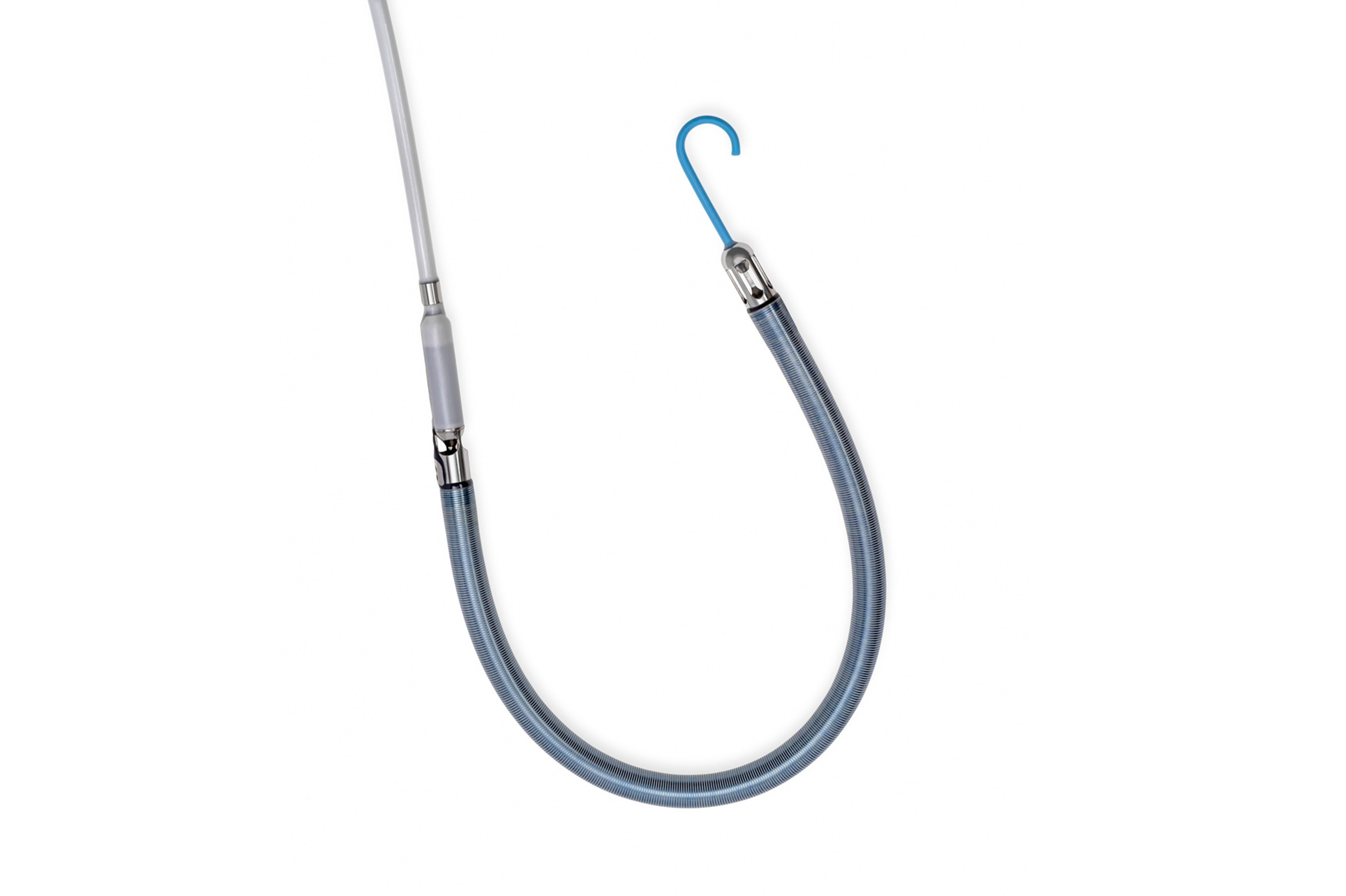
For high-risk patients with reduced cardiac function, hemodynamic instability increases the likelihood of serious complications.1,2 Early, timely intervention with Impella, a minimally invasive assist device indicated for high-risk percutaneous coronary intervention and cardiogenic shock in adult and pediatric (weighing ≥30 kg) patients, can lead to ventricular recovery and improved outcomes.3,4 Impella has the unique ability to increase the systemic blood flow,5-8 supporting end-organs and myocardial recovery.5-9
.png?width=3840&quality=90&format=webp)
.jpg?width=3840&quality=90&format=webp)
Evidence
.png?width=3840&quality=90&format=webp)
DanGer Shock RCT
New long-term data from the DanGer Shock RCT, published in the New England Journal of Medicine, validates the durability of original findings and confirms the survival benefit of Impella CP® heart pump increases year-over-year.11
.png?width=3840&quality=90&format=webp)
PROTECT II RCT
PROTECT II was a landmark prospective, multicenter, randomized, controlled trial of hemodynamic support with Impella 2.5® versus intra-aortic balloon pump (IABP) in patients undergoing nonemergent high-risk percutaneous coronary intervention (PCI).
.png?width=3840&quality=90&format=webp)
PROTECT III RCT
PROTECT III was a prospective, single-arm, FDA post-approval study for the post-marketing approval (PMA) of Impella 2.5® and Impella CP® that demonstrated a reduction in the primary endpoint of death, stroke, myocardial infarction and repeat procedures at 90 days with Impella-supported Protected PCI, compared to PROTECT II.
.png?width=3840&quality=90&format=webp)
NCSI Study
National Cardiogenic Shock Initiative (NCSI) Study was an independent, physician-led, national, multicenter initiative aimed at improving mortality in patients with AMI cardiogenic shock (AMICS).12
.png?width=3840&quality=90&format=webp)
RESTORE EF
RESTORE EF was designed to validate contemporary best practices in high-risk PCI, including complete revascularization in a single setting, use of atherectomy and large-bore access techniques.
8 in 10
Experienced improved ejection fraction10 or NYHA heart failure class10 after a Protected PCI procedure with an Impella heart pump.
16.3%
At up to 10 years, routine use of Impella CP in patients with STEMI complicated by cardiogenic shock leads to an absolute mortality reduction.11
~80%
Impella 5.5 as first line improves survival to nearly 80%, stabilizing patients for optimal long-term recovery and treatment strategies.12,13,14
71%
The final results of the physician-led NCSI Study demonstrate a 71% survival to discharge with greater than 90% native heart recovery when best practices are used, including placement of an Impella heart pump prior to revascularization (PCI).15
17
400,000+
_(1).png?width=3840&quality=80&format=webp)
ACC/AHA Upgrades mAFP to Class 2a and Downgrades IABP and VA-ECMO to Class 3
The new Acute Coronary Syndrome (ACS) guidelines downgrade intra-aortic balloon pump (IABP) and venoarterial extracorporeal membrane oxygenation (VA-ECMO) to Class 3 due to no shown benefit, while microaxial intravascular flow pumps (mAFP), Impella, is now Class 2a in patients with STEMI and severe or refractory cardiogenic shock.16
.png?width=3840&quality=80&format=webp)
Innovative solutions
SmartAssist® Technology
SmartAssist Technology is a state-of-the-art integration with the Impella heart pump, designed to improve patient outcomes by using real-time intelligence.
SmartAssist provides greater hemodynamic support and ease of use, new sensor technology for confident positioning, and faster, simplified set-up.
Optical sensor and advanced metrics
- Pump re-positioning without image guidance*
- Clear and concise alarms
- Assist in hemodynamic assessment and successful weaning guidance
* When “Position in Ventricle” alarm is triggered
References
- Metkus, T. S., et al. (2022). JACC: Case Reports, 4(3), 115–120.
- Maddox, T. M., Januzzi, J. L., et al. (2021). Journal of the American College of Cardiology, 77(6), 772–810.
- Ott, S., et al. (2022). Life, 12, 1931.
- Saito, S., et al. (2023). Journal of Cardiology. Advance online publication.
- Flaherty, M., et al. (2017). Circ Res, 120(4), 692–700.
- Rock, J. R., et al. (2022). Single-center first-year experience and outcomes with Impella 5.5 left ventricular assist device. Journal of Cardiothoracic Surgery, 17, 24.
- Patel, M. R., et al. (2017). Journal of the American College of Cardiology, 69(17), 2212–2241.
- Saito, S., et al. (2023). Journal of Cardiology. Advance online publication.
- Pieri, M., et al. (2024). International Journal of Cardiology, 396, 131418.
- O’Neill, W. W., et al. (2012). A prospective, randomized clinical trial of hemodynamic support with Impella 2.5 versus intra-aortic balloon pump in patients undergoing high-risk percutaneous coronary intervention: The PROTECT II study. Circulation, 126(14), 1717–1727.
- Møller, J., et al. (2025). Long-term outcomes of the DanGer Shock trial. New England Journal of Medicine.
- Abraham, J. (2025, February 11–13). Impella 5.5 support for heart failure-related cardiogenic shock and 1-year survival insights from a multi-center registry. Technology and Heart Failure Therapeutics (THT) Conference, Boston, MA.
- Kwon, J. H., et al. (2024). Patient characteristics and early clinical outcomes with Impella 5.5: A systematic review and meta-analysis. ASAIO Journal, 70(7), 557–564.
- Fried, J., et al. (2024). Clinical outcomes among cardiogenic shock patients supported with high-capacity Impella axial flow pumps: A report from the Cardiogenic Shock Working Group. The Journal of Heart and Lung Transplantation, 43(9), 1478–1488.
- Basir, B., et al. (2019). Improved outcomes associated with the use of shock protocols: Updates from the National Cardiogenic Shock Initiative. Catheterization and Cardiovascular Interventions.
- Rao, S. V., et al. (2025). ACC/AHA/ACEP/NAEMSP/SCAI guideline for the management of patients with acute coronary syndromes: A report of the American College of Cardiology/American Heart Association Joint Committee on Clinical Practice Guidelines. Journal of the American College of Cardiology.
IMP-6995