STRATAFIX™ Spiral Barbed Suture
STRATAFIX™ is a portfolio of Barbed Suture products that offers a variety of barbed structure, polymers, and unidirectional and bidirectional designs to accommodate a wide variety of procedures. View device specifications for full portfolio offering.
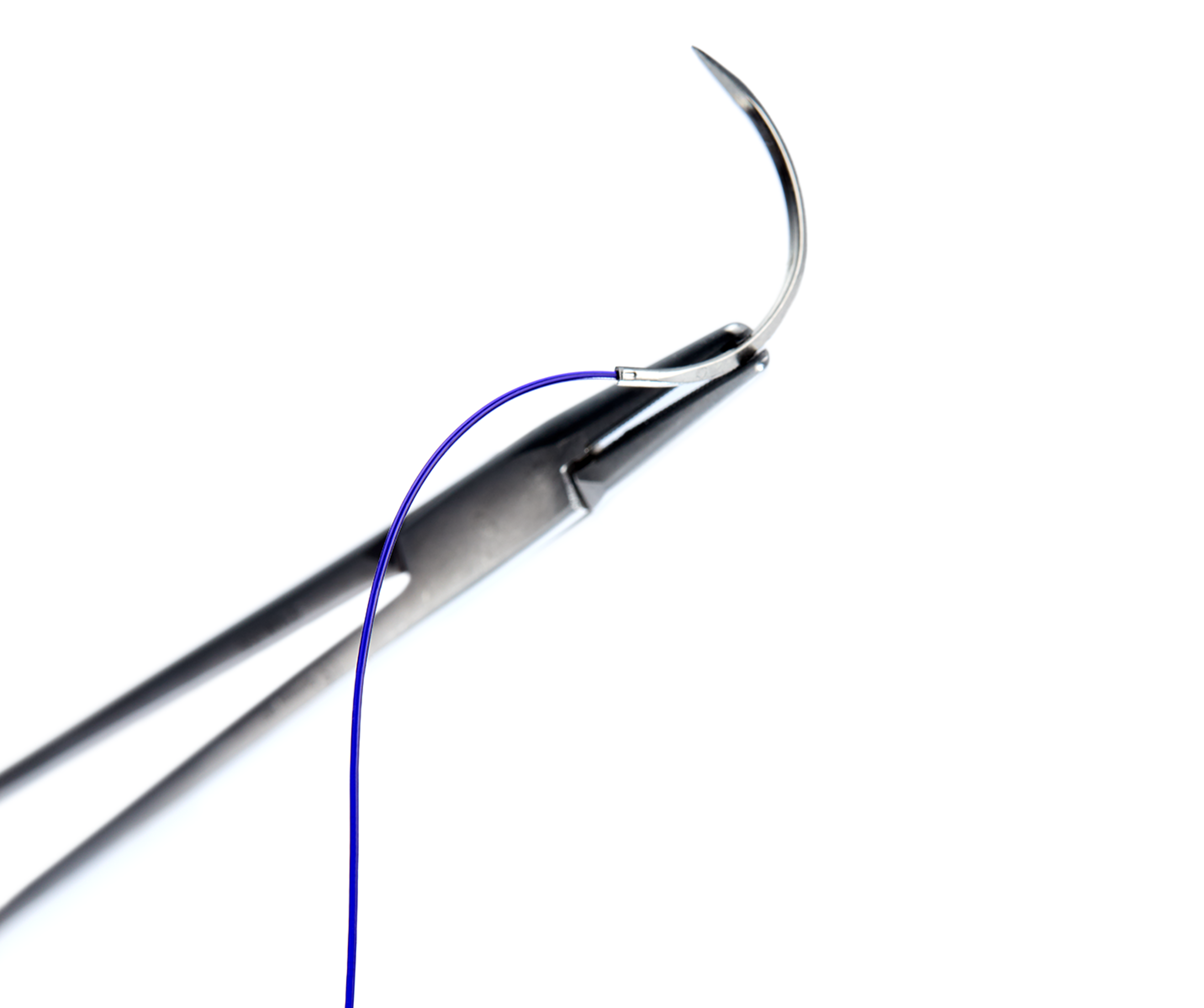
STRATAFIX™ Spiral Barbed Suture represent the next generation of suturing devices, eliminating the need for knot tying while suturing.1,2 Fixating barbs allows you to maintain tension on each pass for more security, consistency, and efficiency than traditional sutures.3-11 Smooth tissue passage and a secure hold help you control tension and achieve excellent tissue approximation.1,3-8,12 Unlike non-triclosan-coated QUILL™ MONODERM™ and V-Loc™ 90 sutures, STRATAFIX™ has antibacterial protection—shown to inhibit bacterial colonization of the suture in an in vitro test.13,14A



About this device
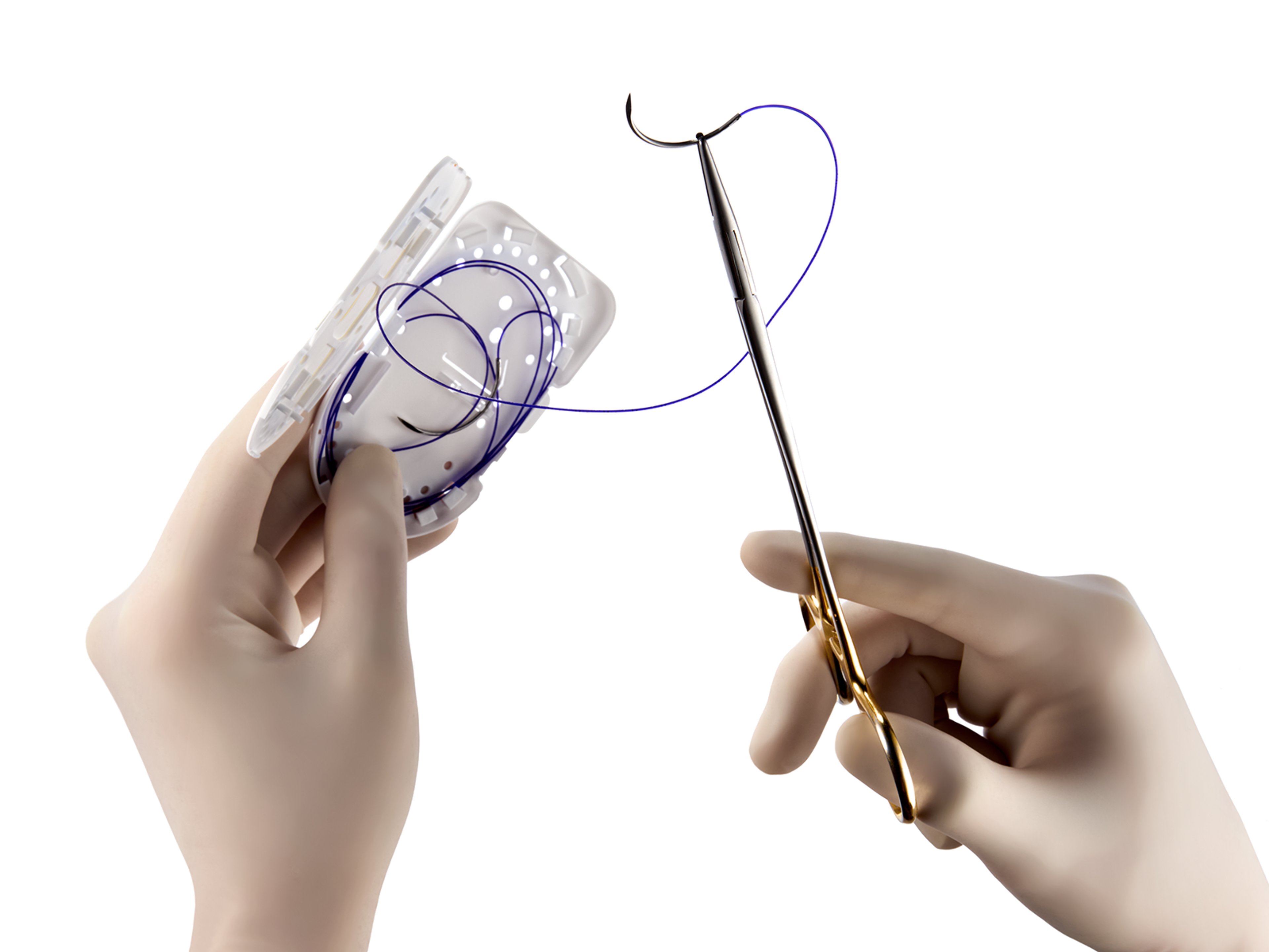
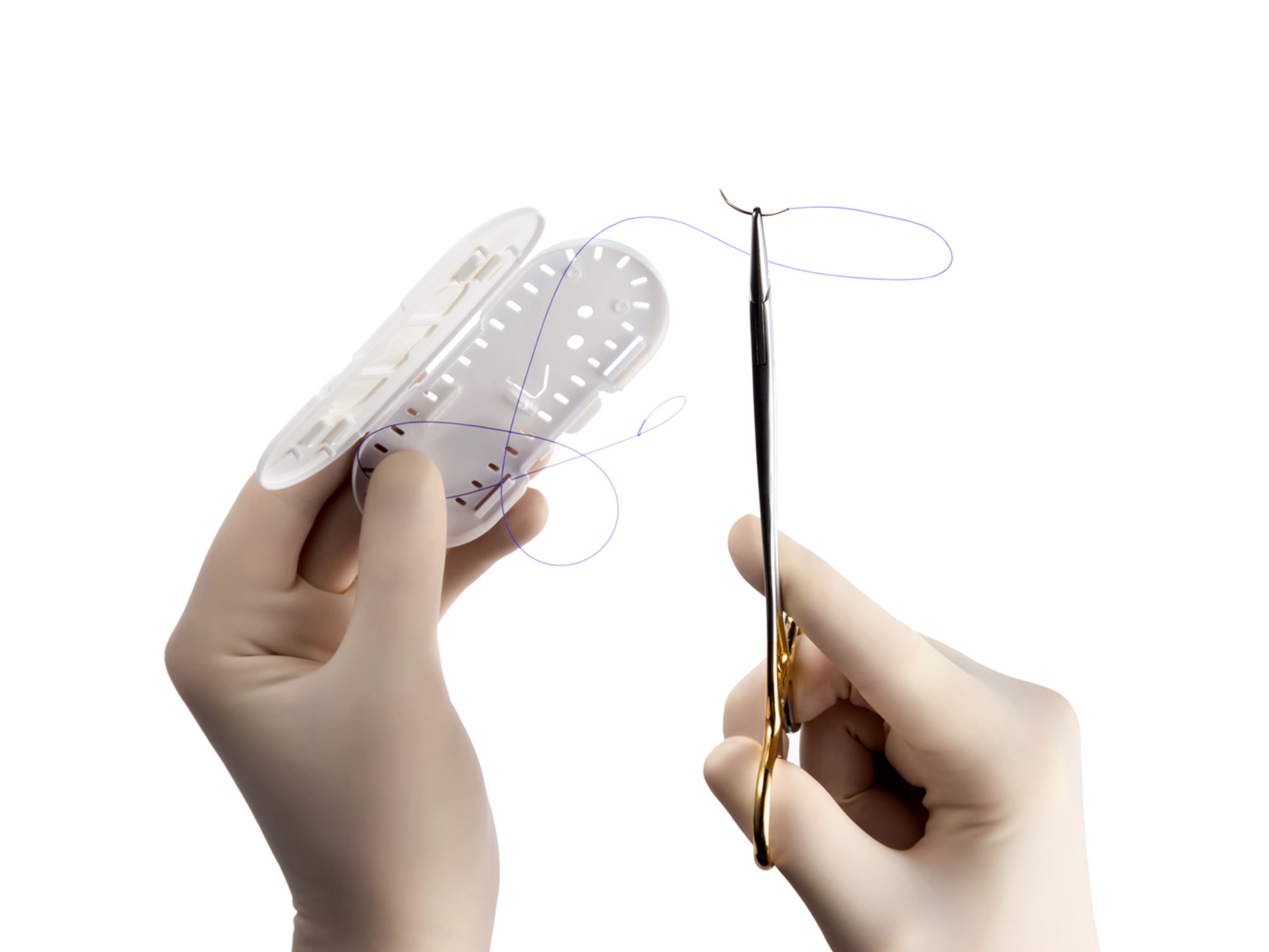
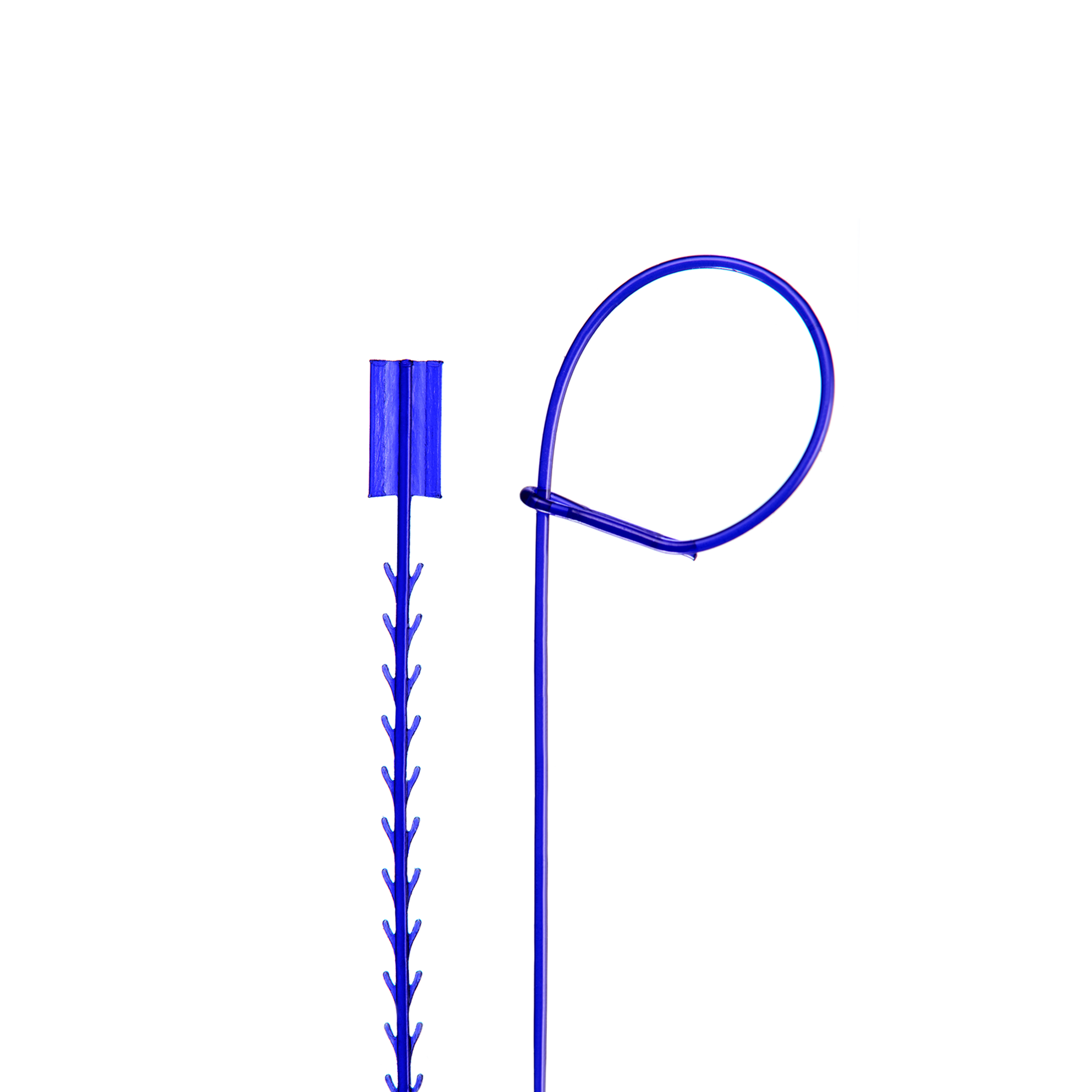
STRATAFIX™ Spiral Barbed Suture employ barbs in a spiral pattern, enabling tissue approximation without tying surgical knots.15-18 STRATIFIX™ Spiral Barbed Suture offer a range of solutions.
Absorbable designs come in both bidirectional and unidirectional configurations, with antibacterial protection and the choice of dyed or undyed PDS™ and MONOCRYL™ polymers.15-18
Non-absorbable designs are offered in both bidirectional and unidirectional options with polypropylene polymer.19-20
Specialties
For use in, but not limited to: Orthopaedics, Cardiovascular, OB/GYN, General, Hernia, Hepatobiliary, Neurosurgery, Colorectal, Hernia, Bariatrics, Plastics, Urology and Vascular
Procedures
For use in open, laparoscopic and robotic procedures including but not limited to: Abdominoplasty, Breast Reconstruction, C-section, CABG, Myomectomy, Hysterectomy, Laparotomy, Midline Closure, Total Knee Replacement, Total Hip Replacement, Spinal Procedures, Hernia Repair, Sleeve Gastrectomy, Gastric Bypass, Prostatectomy, Nephrectomy, Left, Right, or Sigmoid Colectomy, Low Anterior Resection, Sternotomy, Thoracotomy, Hepatectomy
Economic benefits
Using STRATAFIX™ Spiral Barbed Suture in spinal fusion and laminectomy procedures were associated with significantly lower OR time and costs when compared to traditional sutures21B:
- Significant reduction in OR time by 24 minutes
- $427 lower average OR cost
Clinical outcomes
In a randomized clinical trial comparing STRATAFIX™ Spiral Barbed Suture bidirectional to traditional suturing during uterine closure in C-section, STRATAFIX™ was associated with22CD:
- 18% reduced blood loss (P<0.005)
- 49% fewer hemostatic sutures required (P<0.001)
- 36% faster uterine closure (P<0.001)
Clinical evidence
STRATAFIX™ is the only antibacterial barbed suture available worldwide23E
28%
Demonstrated in a meta-analysis using traditional triclosan-coated sutures24FGH
99.9%
STRATAFIX™ exhibited 99.9% fewer bacteria than non-triclosan-coated QUILL™ MONODERM™ and V-Loc™ 90 sutures in an in vitro test13,14I
~20,000
ETHICON™ Plus Antibacterial Sutures were studied in 26 Peer Reviewed Meta-analyses with ~20,000 patients.24-50J
Features & benefits

Strength
STRATAFIX™ Spiral PDS™ Plus Antibacterial Barbed Suture provides 6 week soft tissue support, while Medtronic’s V-Loc™ 180 Device provides support for only 3 weeks.51,52
Efficiency
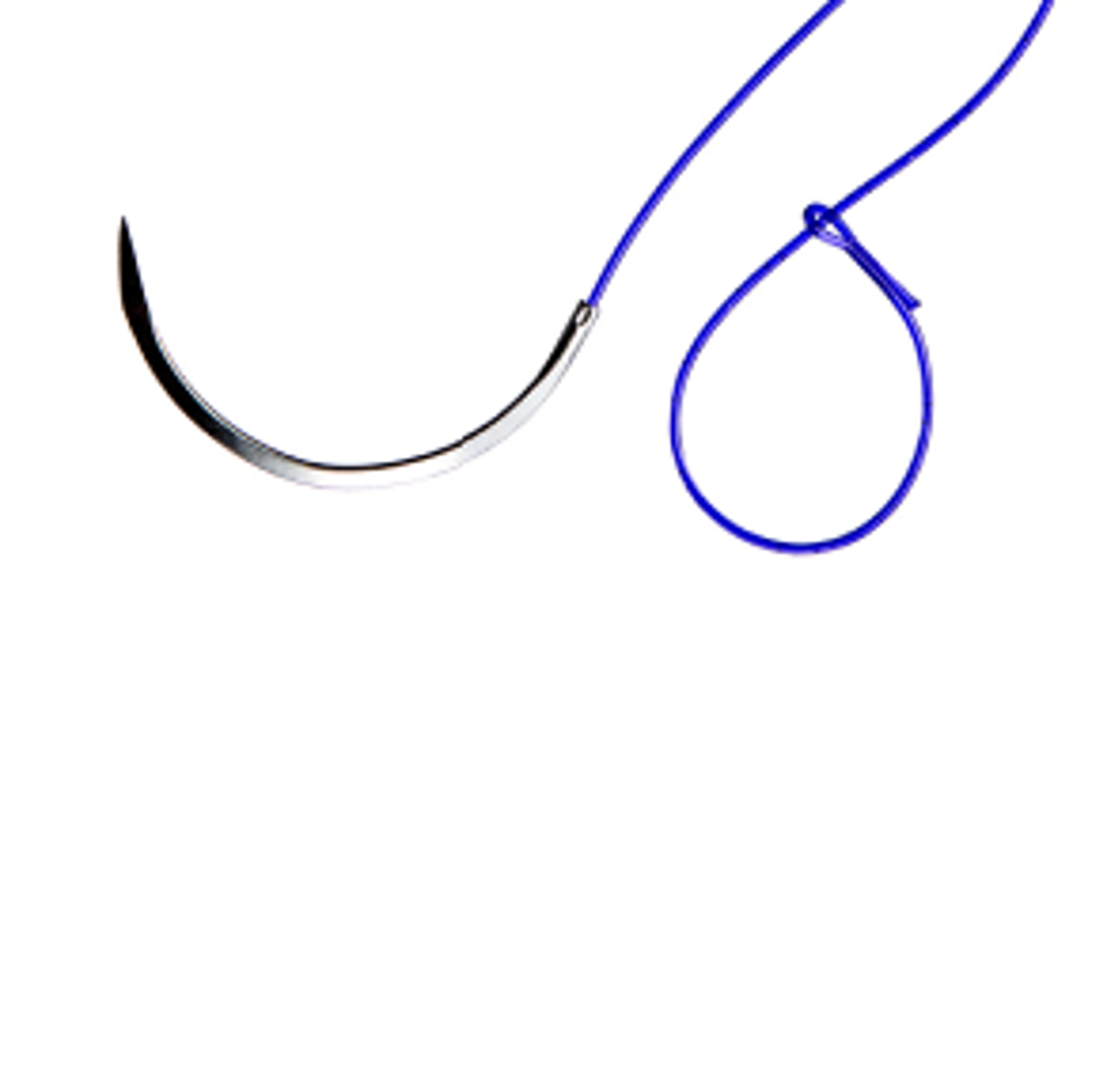
STRATAFIX™ barbed sutures can close wounds substantially faster than using an interrupted technique,53-55 which can result in significant time savings in the OR. Bidirectional STRATAFIX™ Spiral Barbed Suture improved efficiency by allowing 2 health care professionals to close at the same time with a single device.
Protection
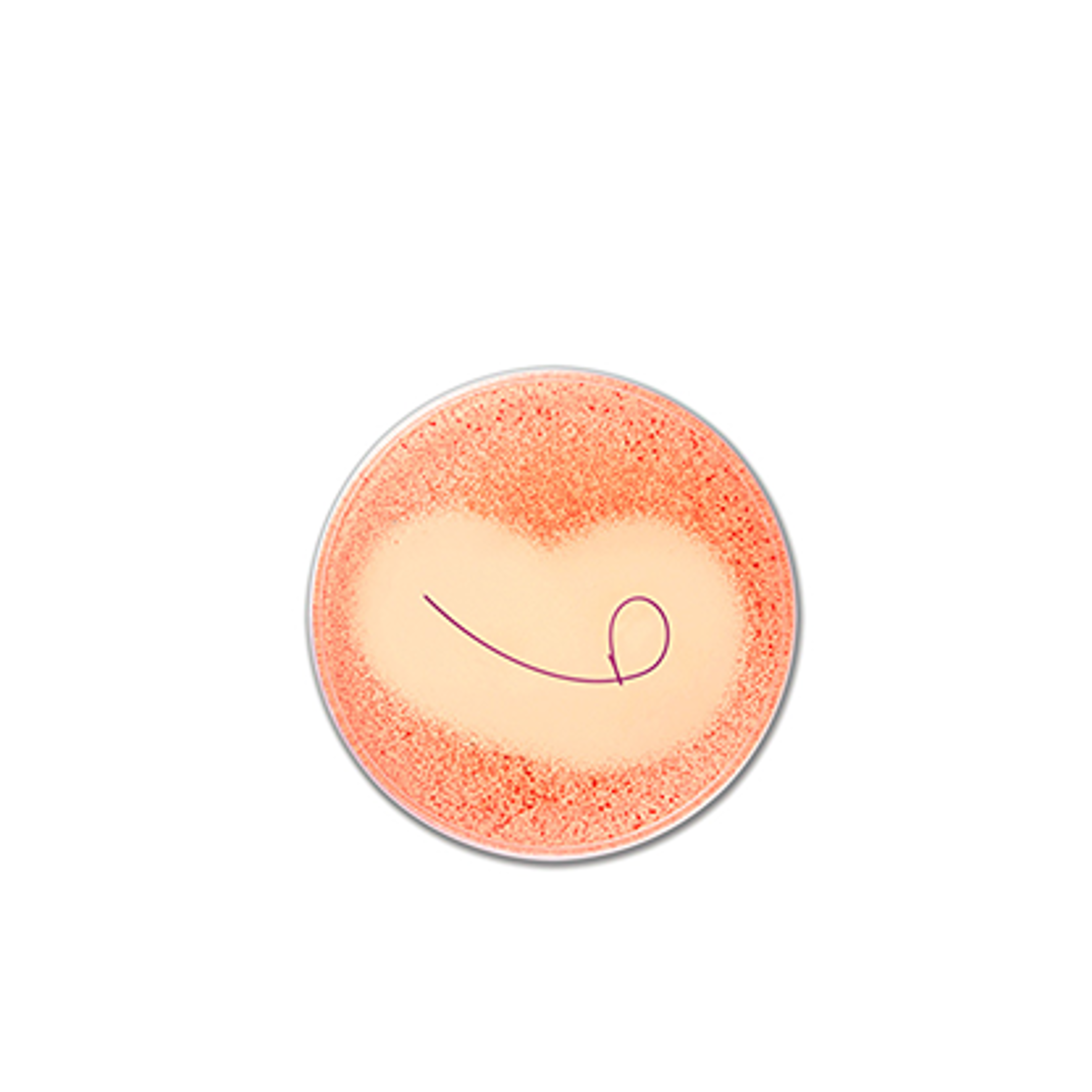
STRATAFIX™ address a known risk factor for surgical site infection (SSI) — bacterial colonization of the suture56,57
- Proven in vivo to kill bacteria on the suture known to be associated with SSI23KL
- Have been shown in vitro to inhibit colonization of the suture for 11 days or more23
Triclosan has in vitro activity that inhibits bacterial colonization of the suture. Petri dish image for illustrative purposes only.
Learn how to use this device
Supporting documentation
Related products
.png?width=3840&quality=90&format=webp)
STRATAFIX™ Symmetric PDS™ Plus Knotless Tissue Control Device
STRATAFIX™ Portfolio offers a variety of barbed sutures, polymers, and undirectional and bidirectional designs to accommodate a wide variety of procedures. View device specifications for full portfolio offering.
With a unique anchor design, STRATAFIX™ Symmetric PDS™ Plus Knotless Tissue Control Device is the only barbed suture appropriate for high-tension areas, such as fascia.1,2A The barbs are uniquely designed and provide maximum holding in soft tissue where PDS™ Plus Suture is commonly used, including in high tension areas such as abdominal wall fascia, knee extensor mechanism fascia during a total knee replacement, deep hip fascia used during a total hip replacement, deep lumbar fascia during spine surgery, closure of mini-laparotomy incisions in patients with BMI less than 30 kg/m², and ventral hernia fascial closure with mesh.3 It is a next generation suture device that eliminates the need for knot-tying or need for an assistant to follow the suture.4,5 In addition, STRATAFIX™ Devices are the only antibacterial barbed suture available worldwide.6B
References
A. In vitro studies comparing STRATAFIX™ Spiral MONOCRYL™ Plus vs. QULL™ MONODERM™ and STRATAFIX™ Spiral MONOCRYL™ Plus vs. V-Loc™ 90 using 24-hour incubation with high concentrations of S. aureus.
B. Based on a retrospective analysis of 7,410 spinal fusion and laminectomy procedures from the Premier Perspective® Hospital Database, using STRATAFIX Barbed Sutures was associated with lower OR time (P=0.015) than traditional sutures.
C. RCT; N=102.
D. Coated VICRYL™ (polyglactin 910) Suture.
E. Refers only to STRATAFIX™ Symmetric PDS™ Plus, STRATAFIX™ Spiral PDS™ Plus and STRATAFIX™ Spiral MONOCRYL™ Plus.
F. In a meta-analysis of 21 RCTs, 6462 patients, 95% CI: (14, 40%), P<0.001.
G. All triclosan-coated sutures in these RCTs were Ethicon Plus Antibacterial Sutures (MONOCRYL™ Plus, VICRYL™ Plus, and PDS™ Plus).
H. Meta-analysis only included traditional (non-barbed) sutures.
I. In vitro studies comparing STRATAFIX™ Spiral MONOCRYL™ Plus vs. QUILL™ MONODERM™ and STRATAFIX™ Spiral MONOCRYL™ Plus vs. V-Loc™ 90 using 24-hour incubation with high concentrations of S. aureus.
J. Based on a review of the global literature. Search date: 2025.
K. Staphylococcus aureus, Staphylococcus epidermidis, Methicillin-resistant S. aureus (MRSA), Methicillin-resistant S. epidermidis (MRSE), Escherichia coli, Klebsiella pneumoniae
L. In vivo, in an animal model.
- Einarsson JI, Chavan NR, Suzuki Y, Jonsdottir G, Vellinga TT, Greenberg JA. Use of bidirectional barbed suture in laparoscopic myomectomy: evaluation of perioperative outcomes, safety, and efficacy. J Minim Invasive Gynecol. 2011;18(1):92-95.
- Warner JP, Gutowski KA. Abdominoplasty with progressive tension closure using a barbed suture technique. Aesthet Surg J. 2009;29(3):221-225.
- Moran ME, Marsh C, Perrotti M. Bidirectional-barbed sutured knotless running anastomosis v classic Van Velthoven suturing in a model system. J Endourol. 2007;21(10):1175-1178.
- Vakil JJ, O'Reilly MP, Sutter EG, Mears SC, Belkoff SM, Khanuja HS. Knee arthrotomy repair with a continuous barbed suture: a biomechanical study. J Arthroplasty. 2011;26(5):710-713.
- Eickmann T, Quane E. Total knee arthroplasty closure with barbed sutures. J Knee Surg. 2010;23(3):163-167.
- Levine BR, Ting N, Della Valle CJ. Use of a barbed suture in the closure of hip and knee arthroplasty wounds. Orthopedics. 2011;34(9):e473-e475. doi: 10.3928_01477447-20110714-35.
- Ethicon, Inc.: 100326296: Time Zero Tissue Holding - Competitive Claims Comparisons for STRATAFIX Knotless Tissue Control Devices vs Various Products. 2015.
- Ethicon, Inc. Ethicon study AST-2012-0331. Tissue gapping under tension of porcine cadaveric skin incisions closed with Stratafix Spiral in comparison to Monocryl in both interrupted and continuous stitching patterns. Approved on August 24, 2012.
- Ethicon, Inc. Performance Testing of STRATAFIX SYMMETRIC PDS PLUS Size 0 & 1 Devices – Initiation Strength in Porcine Tissue. AST-2013-0603.
- Ethicon, Inc. Ethicon Performance Evaluation Memo AST-2012-0510. Performance Testing of STRATAFIX Symmetric Size 2-0 suture device for Tissue Holding Strength with an Incision Defect to Measure Gapping. Dated December 3, 2012.
- Ethicon, Inc. AST-2013-0056 Performance Testing of STRATAFIX Symmetric PDSSize2-0 suture device for Tissue Holding Strength with Multiple Incision Defects to Measure Gapping.
- Nawrocki J. Technical memo: Explanation on the science behind the anchors on knotless tissue control devices. 2017. Ethicon, Inc.
- Bhende S. Comparative evaluation of bacterial colonization on STRATAFIX™ Spiral MONOCRYL™ Plus Knotless Tissue Control Device vs QUILL MONODERM™ Wound Closure Device using attachment assay and scanning electron microscopy. AST-2020-0090. August 17, 2020. Ethicon, Inc.
- Bhende S. Study Report: Comparative evaluation of bacterial colonization on STRATAFIX Spiral MONOCRYL Plus Knotless Would Closure Device vs V-LOC 90 Absorbable Wound Closure Device and MONOCRYL knots using an in vitro attachment assay and scanning electron microscopy. October 12, 2018. Ethicon, Inc.
- STRATAFIX™ Spiral MONOCRYL™ Plus Unidirectional Knotless Tissue Control Device Instructions for Use. Ethicon, Inc.
- STRATAFIX™ Spiral MONOCRYL™ Plus Bidirectional Knotless Tissue Control Device Instructions for Use. Ethicon, Inc.
- STRATAFIX™ Spiral PDS™ Plus Unidirectional Knotless Tissue Control Device Instructions for Use. Ethicon, Inc.
- STRATAFIX™ Spiral PDS™ Plus Bidirectional Knotless Tissue Control Device Instructions for Use. Ethicon, Inc.
- STRATAFIX™ Spiral Polypropylene Unidirectional Knotless Tissue Control Device Instructions for Use. Ethicon, Inc.
- STRATAFIX™ Spiral Polypropylene Bidirectional Knotless Tissue Control Device Instructions for Use. Ethicon, Inc.
- Johnston S, Chen B, Tommaselli G, Jain S, Pracyk J. Barbed and conventional sutures in spinal surgery patients: an economic and clinical outcomes comparison. J Wound Care. 2020;29(5):S9-S20.
- Peleg D, Ahmad RS, Warsof SL, et al. A randomized clinical trial of knotless barbed suture vs conventional suture for closure of the uterine incision at cesarean delivery. Am J Obstet Gynecol. 2018;218(3):343.e1-343.e7.
- Bhende S, Burkley D, Nawrocki J. In vivo and in vitro anti-bacterial efficacy of absorbable barbed polydioxanone monofilament tissue control device with triclosan. Surg Infect (Larchmt). 2018;19(4):430-437.
- de Jonge SW, Atema JJ, Solomkin JS, Boermeester MA. Meta-analysis and trial sequential analysis of triclosan-coated sutures for the prevention of surgical site infection. Brit J Surg. 2017;ePub-DOI: 10.1002_bjs.10445.
- Chang WK,Srinivasa S, Morton R, Hill AG. Triclosan-impregnated sutures to decrease surgical site infections: systematic review and meta-analysis of randomized trials. Annals of Surgery. 2012; 255(5): 854-59.
- Wang ZX, Jiang CP, Cao Y, Ding YT. Systematic review and meta-analysis of triclosan-coated sutures for the prevention of surgical-site infection. British Journal ofSurgery. 2013; 100(4): 465-73.
- Sajid MS, Craciunas L, Sains P, Singh KK, Baig MK. Use of antibacterial sutures for skin closure in controlling surgical site infections: a systematic review of published randomized, controlled trials. Gastroenterol Rep (Oxf). 2013; 1(1): 42-50.
- Edmiston C, Daoud F, Leaper D. Is there an evidence-based argument for embracing an antimicrobial(triclosan)-coated suture technology to reduce the risk for surgical-site infections? A meta-analysis. Surgery. 2013; 154: 89-100.
- Daoud FC, Edmiston CE Jr, Leaper D. Meta-analysis of prevention of surgical site infections following incision closure with triclosan-coated sutures: robustness to new evidence. Surg Infect (Larchmt). 2014 Jun;15(3):165-181.
- Daoud FC, Systematic literature review update of the PROUD trial: Potential Usefulness of a Collaborative Database. Surgical Infections. 2014; 15(6): 857-858.
- Apisarnthanarak A, Singh N Bandong AN, Madriaga G. Triclosan-coated sutures reduce the risk of surgical site infections: a systematic review and meta-analysis. Infection Control & Hospital Epidemiology. 2015; 36(2): 169-79.
- Guo J, Pan L, Li Y et al. Efficacy of triclosan-coated sutures for reducing risk of surgical site infection in adults: a meta-analysis of randomized clinical trials. Journal of Surgical Research. 2016; 201(1): 105-117.
- Sandini M, Mattavelli I, Nespoli L, Uggeri F, Gianotti L. Systematic review and meta-analysis of sutures coated with triclosan for the prevention of surgical site infection after elective colorectal surgery according to the PRISMA statement. Medicine. 2016; 95(35): e4057.
- Wu X, Kubilay NZ, Ren J et alAntimicrobial-coated sutures to decrease surgical site infections: a systematic review and meta-analysis. AND Correction to Antimicrobial-coated sutures to decrease surgical site infections: a systematic review and meta- analysis. European Journal of Clinical Microbiology & Infectious Diseases. 2017; 36(1): 19-32. AND European Journal of Clinical Microbiology& Infectious Diseases. 2018; NA: NA.
- Leaper DJ, Edmiston Jr. CE, Holy CE. Meta-analysis of the potential economic impact following introduction of absorbable antimicrobial sutures. Bri tish Journal of Surgery. 2017; 104: e134-e144 and Ethicon, Email to Prof Leaper regarding 'Count of Patients'. April 2020.
- Elsolh B, Zhang L, Patel SV. The effect of antibiotic-coated sutures on the incidence of surgical site infections in abdominal closures: a meta-analysis. Journal of Gastrointestinal Surgery. 2017; 18: 1-8.
- Konstantelias AA, Andriakopoulou CS, Mourgela S. Triclosan-coated sutures for the prevention of surgical-site infections: a meta-analysis. Acta Chirurgica Belgica. 2017; 117(3): 137–148.
- Henriksen NA, Deerenberg EB, Venclauskas L et al. Triclosan-coated sutures and surgical site infection in abdominal surgery: the TRISTAN review, metaanalysis and trial sequential analysis. Hernia. 2017; 21(6): 833-41.
- Uchino M, Mizuguchi T, Ohge H, et al. SSI Prevention Guideline Committee of the Japan Society for Surgical Infection. The Efficacy of Antimicrobial-Coated Sutures for Preventing Incisional Surgical Site Infections in Digestive Surgery: a Systematic Review and Meta-analysis. J Gastrointest Surg. 2018 Oct;22(10):1832-1841.
- Hunger R, Mantke A, Herrmann C, Mantke R. [Triclosan-coated sutures in colorectal surgery: Assessment and meta-analysis of the recommendations of the WHO guideline]. Chirurg. 2019 Jan;90(1):37-46.
- Ahmed I, Boulton A, Rizvi S et al. The use of triclosan-coated sutures to prevent surgical site infections: A systematic review and meta-analysis of the literature. BMJ Open. 2019; 9(9): e029727.
- National Institute of Health Research Unit on Global Surgery. Alcoholic chlorhexidine skin preparation or triclosan-coated sutures to reduce surgical site infection: a systematic review and meta-analysis of high-quality randomised controlled trials. Lancet Infect Dis. 2022 Aug;22(8):1242-1251. doi: 10.1016/S1473-3099(22)00133-5. Epub 2022 May 26. Erratum in: Lancet Infect Dis. 2022 Jun 1;: PMID: 35644158.
- He P, Liu Z, Chen H, Huang G, Mao W, Li A. The role of triclosan-coated suture in preventing surgical infection: A meta-analysis. Jt Dis Relat Surg. 2023;34(1):42-49. doi: 10.52312/jdrs.2023.842. Epub 2023 Jan 14. PMID: 36700262 Free PMC article.
- Otto-Lambertz C, Decker L, Adams A, Yagdiran A, Eysel P. Can triclosan-coated sutures reduce the postoperative rate of wound infection? Data from a systematic review and meta-analysis. Surgery. 2023 Sep;174(3):638-646.
- Miyoshi N, Fujino S; Clinical Study Group of Osaka University; Colorectal Cancer Treatment Group (CSGOCG). Triclosan-coated sutures to reduce surgical site infection in abdominal gastrointestinal surgery: A meta-analysis and systematic review. Surg Open Sci. 2023 Sep 14;16:73-76.
- Edwards M, Graziadio S, Shore J, et al. Plus Sutures for preventing surgical site infection: a systematic review of clinical outcomes with economic and environmental models. BMC Surg. 2023 Oct 3;23(1):300.
- Suleiman AS, Abbass M, Hossain M, Choudhary P, Bhattacharya P, Islam MA. Impact of antibiotic-coated sutures on surgical site infections: a second-order meta-analysis. Int J Surg. 2024 Jan 1;110(1):507-519. doi: 10.1097/JS9.0000000000000822. PMID: 37830948; PMCID: PMC10793740. https://journals.lww.com/international-journal-of-surgery/fulltext/2024/01000/impact_of_antibiotic_coated_sutures_on_surgical.51.aspx.
- Kouzu K, Tsujimoto H, Ishinuki et al. The effectiveness of fascial closure with antimicrobial-coated sutures in preventing incisional surgical site infections in gastrointestinal surgery: a systematic review and meta-analysis. J Hosp Infect. 2024 Apr;146:174-182. doi: 10.1016/j.jhin.2023.09.006. Epub 2023 Sep 19. PMID: 37734678.
- Depuydt M, Van Egmond S, Petersen SM, Muysoms F, Henriksen N, Deerenberg E. Systematic review and meta-analysis comparing surgical site infection in abdominal surgery between triclosan-coated and uncoated sutures. Hernia. 2024 May 7. doi: 10.1007/s10029-024-03045-5. Epub ahead of print. PMID: 38713430.
- Jalalzadeh H, Timmer AS, Buis DR, et al. Triclosan-Containing Sutures for the Prevention of Surgical Site Infection: A Systematic Review and Meta-Analysis. JAMA Netw Open. 2025;8(3):e250306. Published 2025 Mar 3. doi:10.1001/jamanetworkopen.2025.0306
- Report for Assessment of Real Time In-Vitro BSR Testing of STRATAFIX Spiral PDS PLUS, STRATAFIX Spiral Monocryl PLUS, V-Loc 90 and V-Loc 180 barbed suture devices.
- V-Loc™ Wound Closure Device Instructions for Use. Medtronic.
- Greenberg J, Goldman R. Barbed Suture: A Review of the Technology and Clinical Uses in Obstetrics and Gynecology. Rev Obstet Gynecol. 2013;6(3-4):107-115.
- Sundaram, K., Piuzzi, N. S., Klika, A. K., Molloy, R. M., Higuera-Rueda, C. A., Krebs, V. E., & Mont, M. A. (2020). Barbed sutures reduce arthrotomy closure duration and suture utilisation compared to interrupted conventional sutures for primary total hip arthroplasty: A randomised controlled trial. HIP International, 31(5), 582–588.
- Sundaram, K., Warren, J. A., Klika, A., Piuzzi, N. S., Mont, M. A., & Krebs, V. (2020). Barbed sutures reduce arthrotomy closure duration compared to interrupted conventional sutures for total knee arthroplasty: A randomized controlled trial. MUSCULOSKELETAL SURGERY, 105(3), 275–281. https:__doi.org_10.1007_s12306-020-00654-y
- Ming X, Rothenburger S, Nichols MM. In vivo and in vitro antibacterial efficacy of PDS Plus (polidioxanone with triclosan) suture. Surg Infect (Larchmt). 2008;9(4):451-457.
- Ming X, Rothenburger S, Yang D. In vitro antibacterial efficacy of Monocryl Plus Antibacterial Suture (poligelcaprone 25 with triclosan). Surg Infect (Larchmt). 2007;8(2):201-207.
For complete indications, contraindications, warnings, precautions, and adverse reactions, please reference full package insert.
The third-party trademarks used herein are trademarks of their respective owners.
US_SRG_WOUN_126191.2