LINX™ Reflux Management System
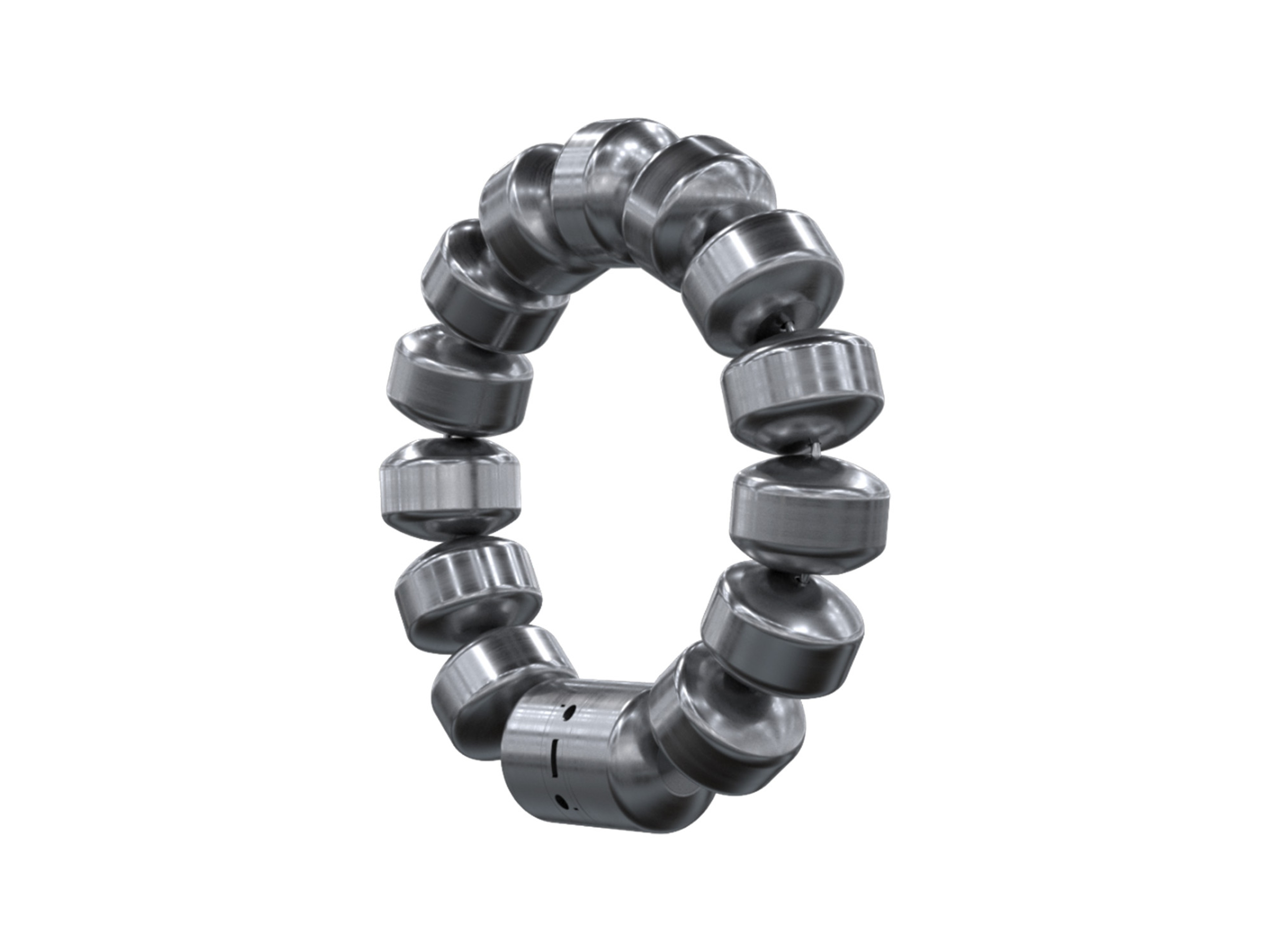
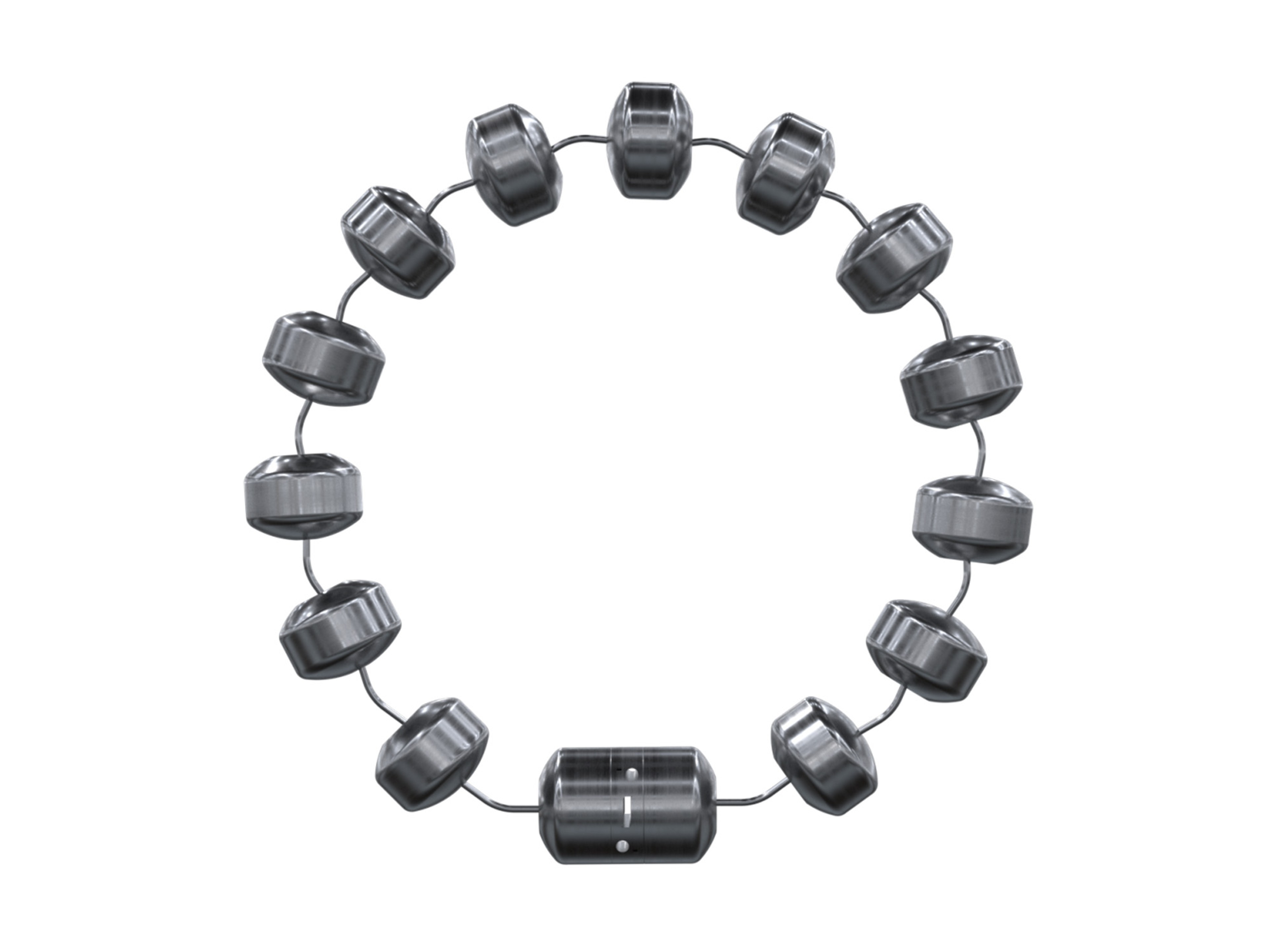
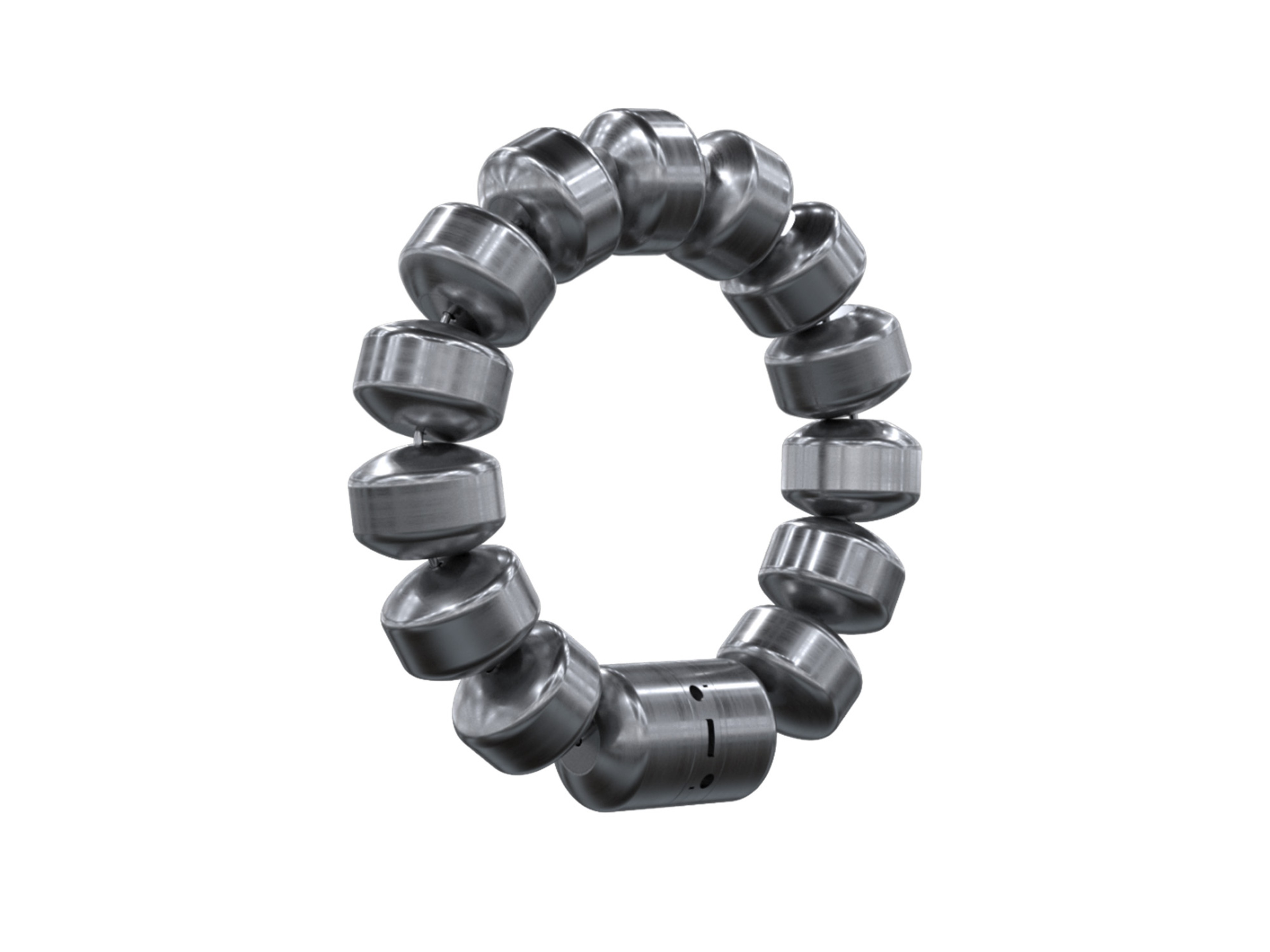
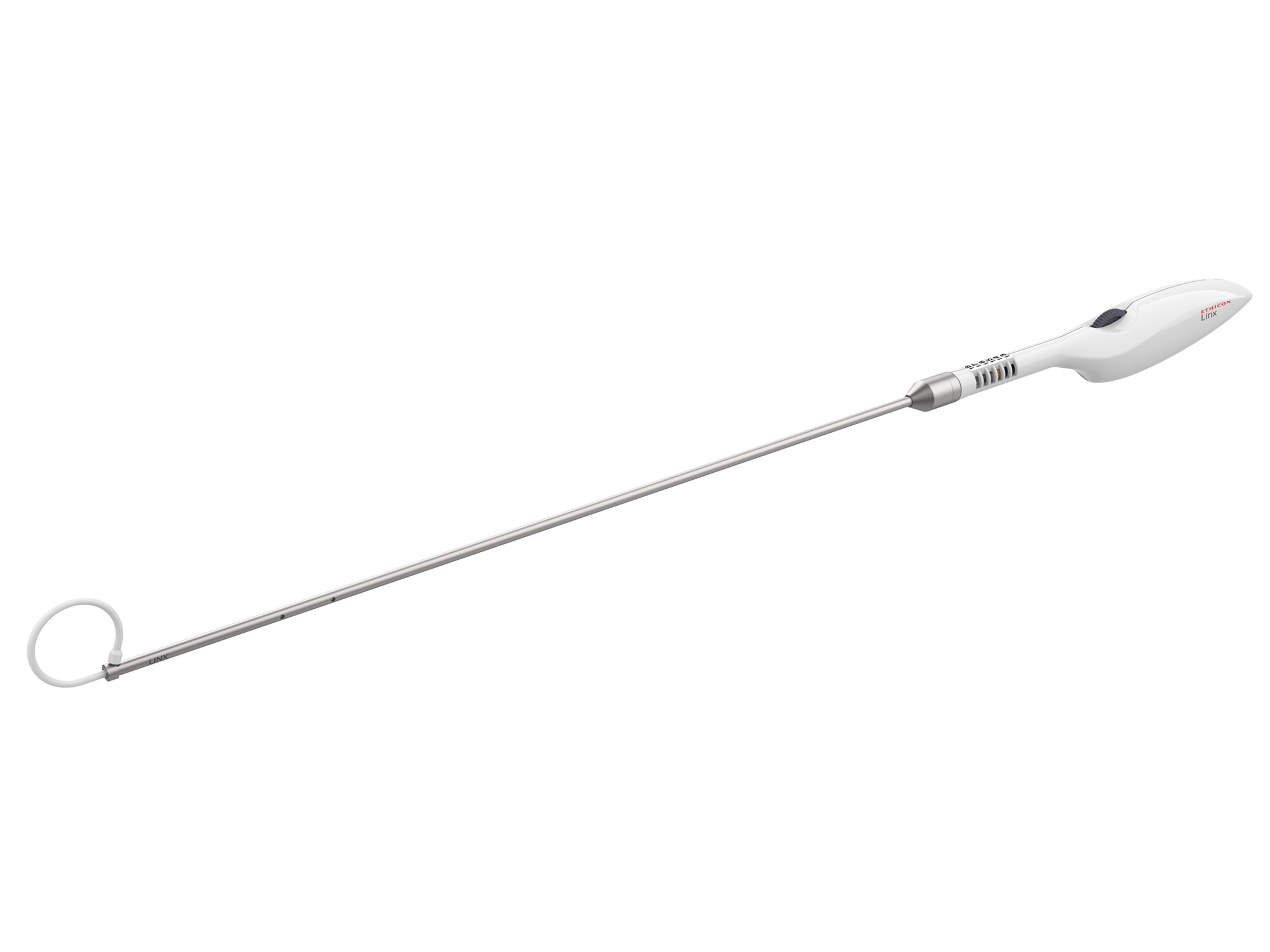
The LINX™ Reflux Management System is a laparoscopic, fundic-sparing anti-reflux procedure indicated for patients diagnosed with Gastroesophageal Reflux Disease (GERD). LINX™ is a flexible ring of small magnets placed around the lower esophageal sphincter (LES)—the strength of the magnets is precisely calibrated to help keep the weak LES closed to prevent reflux.
.jpg?width=3840&quality=90&format=webp)
About this device
LINX™ is a flexible ring of small magnetic beads placed around the LES during a minimally invasive procedure. The strength of the magnets helps keep the weak LES closed to prevent reflux. When patients swallow, LINX™ opens temporarily to allow food and liquid to pass into the stomach. LINX™ is designed to work in harmony with the body to augment the weak sphincter without compressing the esophagus. The dynamic opening and closing of the beads preserves physiologic function, allowing patients to belch and vomit.
Information for patients
Visit LINXforLife.com for patient information and resources.
Information for referring physicians
LINX™ may offer sustained relief of GERD symptoms in appropriate patients seeking an alternative to continous acid suppression therapy. Consider LINX™ for appropriate patients:1
- Symptomatic while on PPIs
- Quality of life significantly affected by GERD
- Concerned about long-term medication use
- Uncontrolled regurgitation
LINX™ is an option for GERD patients with hiatal hernias -- regardless of hernia size.2A
Clinical evidence
An innovative surgical treatment for GERD clinically shown to produce consistent, lasting results.3-5B
99%
of patients reported no regurgitation 5 years after LINX™ treatment4C
88%
of patients reported no bothersome heartburn after 5 years4D
85%
of patients no longer needed PPIs after LINX™ treatment4E
85%
of post-sleeve patients were free from daily PPIs5F
81%
of post-sleeve patients were free from moderate-to-severe heartburn6G
92%
of post-sleeve patients were free from moderate-to-severe regurgitation5H
Features & benefits
.jpg?width=3840&quality=90&format=webp)
Revolutionary treatment for reflux disease7
LINX™ augments the weak sphincter without compressing the esophagus. The dynamic opening and closing of the beads preserves physiologic function, allowing patients to belch and vomit.
.jpg?width=3840&quality=90&format=webp)
Long-term efficacy
In a long-term follow-up study, 89% of LINX™ patients at a median of 9 years post-op met criteria for favorable long-term outcomes.8I
.jpg?width=3840&quality=90&format=webp)
Favorable safety profile
With a low rate of device removals, rare occurence of device erosions and no migrations seen in clinical trials, the clinical evidence supports LINX™ as an effective treatment for GERD with a favorable safety profile.4J
Resources for referring physicians
.jpg?width=3840&quality=90&format=webp)
Gastroenterological society support
2022 guidelines/practice updates from the American College of Gastroenterology (ACG) and American Gastroenterological Association (AGA) include LINX™ as an effective surgical option for patients with evidence of GERD.1,9
.jpg?width=3840&quality=90&format=webp)
91% of patients were free from daily PPI use10K
21.8 million GERD patients are on PPIs,11L yet 40% still have symptoms.2 LINX™ is a minimally invasive, reversible, surgical option that can help fill the treatment gap.
.jpg?width=3840&quality=90&format=webp)
Backed by long-term safety and efficacy data
In a 6- to 12-year follow-up study, 91% of patients were free from daily medication at 10-12 years.8M And with few removals, erosions, and no migrations seen in clinical trials, the evidence supports LINX™ as effective with a favorable safety profile.4J
Learn how to use this device
Supporting documentation
Webpage
References
A. Based on analysis of 192 patients who underwent MSA with LINX between May 2009 and December 2015. The rate of symptom improvement (98.1 vs. 91.3&, p=0.118) and dysphagia requiring intervention (13.5 vs. 17.9 % p=0.522) were similar for patients with large hiatal hernias ( > 3cm) and patients with small hiatal hernias ( < 3 cm), respectively. Hiatal hernias larger than 3 cm require repair prior to device implant.
B. Individual results may vary
C. Based on a 100 patient, 5 year, prospective, multi-center, single-arm study of patients who were implanted with LINX, regurgitation was 57% at baseline and decreased to 1.2% at 5 years (n=84). (p<0.001)
D. Based on a 100 patient, 5 year, prospective, multi-center, single-arm study of patients who were implanted with LINX, bothersome heartburn was 89% at baseline and decreased to 11.9% at 5 years (n=84). (p<0.001)
E. Based on a 5 year prospective, multi-center, single-arm study observing 100 patients who were implanted with LINX, daily use of PPIs was 100% at baseline and decreased to 15.3% at 5 years. (p<0.001)
F. 15.4% (4/26) of patients implanted with LINX, after laparoscopic sleeve gastrectomy, were on PPIs at 12 months vs. 100% at baseline.
G. Based on Foregut Symptom Questionnaire responses at 12 months (n=26) of patients implanted with LINX after laparoscopic sleeve gastrectomy.
H. 7.7% (2/26) of patients implanted with LINX, after laparoscopic sleeve gastrectomy, had moderate-to-severe regurgitation at 1 year vs. 80% (24/30) at baseline. I. Based upon a 6-12 years follow up study of 124 patients. Favorable outcomes were defined as ≥ 50% improvement in GERD-HRQL total score and PPI discontinuation
J. Based on a prospective study of the safety and efficacy of magnetic devices in 100 adults. No device erosions, migrations, or malfunctions occurred in this study. Device removal occurred in 7 patients.
K. Based on 47 patients treated with laparoscopic MSA. 91% of patients discontinued PPI use at 6 months.
L. Based on 2017 US population of 325.1 million
M. 9.4% of patients still used daily PPIs at >10 year follow-up (n=32)
- Katz PO, Dunbar K, Schnoll-Sussman FH, Greer KB, Yadlapati R, Spechler SJ. ACG Clinical Guideline for the Diagnosis and Management of Gastroesophageal Reflux Disease. Amer J Gastroenterol. 2022;117(1):27-56.
- Rona K, Reynolds J, Schwameis K, et al. Efficacy of magnetic sphincter augmentation in patients with large hiatal hernias. Surgical Endoscopy. 2017. 31(5):2096-2102.
- Reynolds J, Zehetner J, Wu P, et al. Laparoscopic Magnetic Sphincter Augmentation vs Laparoscopic Nissen Fundoplication: A Matched-Pair Analysis of 100 Patients. J American College of Surgeons. 2015. 221(1):123-128.
- Ganz R. Edmundowicz S, Taiganides P, et al. Long-term Outcomes of Patients Receiving a Magnetic Sphincter Augmentation Device for Gastroesophageal Reflux. Clin Gastroenterol Hepatol. 2016. 14(5):671-7
- RELIEF Study: A Prospective, Multicenter Study of Reflux Management with the LINX® System for Gastroesophageal Reflux Disease After Laparoscopic Sleeve Gastrectomy. Ethicon Inc., Internal Report. October 14, 2021.
- The LINX Reflux Management System IDE Study Table 17b, Foregut Symptoms Questionnaire by Visit (Off PPI). Ethicon Inc., Internal Report. October 14, 2021.
- LINX Reflux Management System Instructions for Use, Ethicon Inc.
- Ferrari D, Asti E, Lazzari V, et al. Six to 12-year outcomes of magnetic sphincter augmentation for gastroesophageal reflux disease. Sci Rep. 2020. 10(13753).
- Yadlapati R, Gyawali CP, Pandolfino JE. AGA Clinical Practice Update on the Personalized Approach to the Evaluation and Management of GERD: Expert Review. Clin Gastroenterol Hepatol. 2022 (Article in Press).
- Bell R, Lipham J, Louie B, et al. Laparoscopic magnetic sphincter augmentation versus double-dose proton pump inhibitors for management of moderate-to-severe regurgitation in GERD: A randomized controlled trial. Gastrointestinal Endoscopy. 2018. DOI: 10.106_j.gie.2018.07.007
- Mishuk AU, Chen L, Gaillard P, et al. National trends in prescription proton pump inhibitor use and expenditure in the United States in 2002-2017. Journal of the American Pharmacists Association. 2021. 61(1): 87-94.
LINX™ Reflux Management System Important Safety Information
The LINX™ Reflux Management System is a laparoscopic, fundic-sparing anti-reflux procedure indicated for patients diagnosed with Gastroesophageal Reflux Disease (GERD) as defined by abnormal pH testing, and who are seeking an alternative to continuous acid suppression therapy (i.e. proton pump inhibitors or equivalent) in the management of their GERD.
Rx Only
Contraindications: Do not implant the LINX Reflux Management System in patients with suspected or known allergies to titanium, stainless steel, nickel, or ferrous materials.
Warnings: The LINX device is considered MR Conditional in a magnetic resonance imaging (MRI) system up to either 0.7 Tesla (0.7T) or 1.5 Tesla (1.5T), depending on the LINX model implanted. Scanning under different conditions may result in serious injury to you and/or interfere with the magnetic strength and the function of the device. In the event alternative diagnostic procedures cannot be used and MRI is required, the LINX device can be safely removed utilizing a laparoscopic technique that does not compromise the option for traditional anti-reflux procedures. It is recommended that patients receiving the LINX device register their implant with the MedicAlert Foundation (www.medicalert.org) or equivalent organization.
Failure to secure the LINX device properly may result in its subsequent displacement and necessitate a second operation.
General Precautions: The LINX device is a long-term implant. Explant (removal) and replacement surgery may be indicated at any time. Management of adverse reactions may include explantation and/or replacement.
The use of the LINX device in patients with a hiatal hernia larger than 3 cm should include hiatal hernia repair to reduce the hernia to less than 3 cm. The LINX device has not been evaluated in patients with an unrepaired hiatal hernia greater than 3 cm.
The use of the LINX device has been evaluated and found to be safe and effective for the management of GERD symptoms in patients with Barrett’s Esophagus (BE). LINX has not been evaluated as a primary treatment for BE; patients with BE who are treated with LINX for management of GERD symptoms should consult with their physician for continued treatment of BE (including PPI use).
The safety and effectiveness of the LINX device has not been evaluated in patients with Grade C or D (LA classification) esophagitis.
The safety and effectiveness of the LINX device has not been evaluated in patients with electrical implants such as pacemakers and defibrillators, or other metallic, abdominal implants.
The safety and effectiveness of the LINX Reflux Management System has not been established for the following conditions:
- Scleroderma
- Suspected or confirmed esophageal or gastric cancer
- Prior esophageal or gastric surgery or endoscopic intervention with the exception of Laparoscopic Sleeve Gastrectomy (LSG) which has been evaluated for safety and efficacy.
- Distal esophageal motility less than 35 mmHg peristaltic amplitude on wet swallows or <70% (propulsive) peristaltic sequences or High Resolution Manometry equivalent, and/or a known motility disorder such as Achalasia, Nutcracker Esophagus, and Diffuse Esophageal Spasm or Hypertensive LES
- Symptoms of dysphagia more than once per week within the last 3 months
- Esophageal stricture or gross esophageal anatomic abnormalities (Schatzki’s ring, obstructive lesions, etc.)
- Esophageal or gastric varices
- Lactating, pregnant or plan to become pregnant
- Morbid obesity (BMI >35)
- Age < 21
Potential Side Effects: Potential adverse events associated with laparoscopic surgery and anesthesia include adverse reaction to anesthesia (headache, muscle pain, nausea), anaphylaxis (severe allergic reaction), cardiac arrest, death, diarrhea, fever, hypotension (low blood pressure), hypoxemia (low oxygen levels in the blood), infection, myocardial infarction, perforation, pneumonia, pulmonary embolism (blood clot in the lung), respiratory distress, and thrombophlebitis (blood clot). Other risks reported after anti-reflux surgery procedures include bloating, nausea, dysphagia (difficulty swallowing), odynophagia (painful swallowing), retching, and vomiting.
Potential risks associated specifically with the LINX Reflux Management System include achalasia (lower part of esophagus does not relax), bleeding, cough, death, decreased appetite, device erosion, device explant/re-operation, device failure, device migration (device does not appear to be at implant site), diarrhea, dyspepsia (indigestion), dysphagia (difficulty swallowing), early satiety (feeling full after eating a small amount of food), esophageal spasms, esophageal stricture, flatulence, food impaction, globus sensation (sensation of a lump in the throat), hiccups, inability to belch or vomit, increased belching, infection, impaired gastric motility, injury to the esophagus, spleen, or stomach, nausea, odynophagia (painful swallowing), organ damage caused by device migration, pain, peritonitis (inflammation of the peritoneum), pneumothorax (collapsed lung), regurgitation, saliva/mucus build-up, swallow-induced syncope (fainting), stomach bloating, ulcer, vomiting, weight loss, and worsening of preoperative symptoms (including but not limited to dysphagia or heartburn).
US_ETH_LINX_108970.1
Manufactured by:
Torax® Medical, Inc.
4545 Creek Rd
Cincinnati, OH 45242
The third-party trademarks used herein are the trademarks of their respective owners.
For complete indications. contraindications, warnings, precautions and adverse reactions, please reference full package insert
US_SRG_LINX_109006.2