EVARREST™ Fibrin Sealant Patch
EVARREST™ Fibrin Sealant Patch innovation offers superior hemostatic efficacy on the first attempt.*1-4 Hemostasis is achieved with EVARREST™ Fibrin Sealant Patch when the formed fibrin clot integrates with the patch component and adheres to the wound surface, thus also providing a physical barrier to bleeding.5
*EVARREST™ demonstrated hemostatic superiority across 4 clinical trials. Trial 1: Soft Tissue hemorrhage: Per protocol efficacy measured at n=87, 100% vs 53.3% for Surgicel Δ 46.7% P<0.0001; (ITT population=90). Trial 2: Normal and Abnormal liver resection hemorrhage: Per protocol efficacy measured at n=77, 94.3% vs 28.6% for conventional adjunctive methods Δ 65.7% P<0.001; (ITT population=84). Trial 3: Anatomic and nonanatomic liver resection hemorrhage: Per protocol efficacy measured at n=93, 97.9% vs 44.4% for conventional adjunctive methods Δ 53.5% P<.0001; (ITT population=102). Trial 4: Aortic reconstruction: Per protocol efficacy measured at n=141, 78.8% vs 46.7% for Tachosil Δ 32.1% P<0.0001; (ITT population=156).
.jpg?width=3840&quality=90&format=webp)
.jpg?width=3840&quality=90&format=webp)
.jpg?width=3840&quality=90&format=webp)
.jpg?width=3840&quality=90&format=webp)
About this device
EVARREST™ Fibrin Sealant Patch is a sterile, bio-absorbable combination product, comprised of two biological components (human plasma-derived fibrinogen and thrombin) embedded in a flexible composite patch component.5
Clinical evidence
EVARREST™ demonstrated superior hemostatic efficacy in 4 randomized controlled clinical trials across a spectrum of challenging bleeding situations and surgical procedures.*1-4
- Trial 1: Soft Tissue hemorrhage (ITT population=90)
- Trial 2: Normal and Abnormal liver resection hemorrhage (ITT population=84)
- Trial 3: Anatomic and nonanatomic liver resection hemorrhage (ITT population=102)
- Trial 4: Aortic reconstruction (ITT population=156)
*EVARREST™ demonstrated hemostatic superiority across 4 clinical trials. Trial 1: Soft Tissue hemorrhage: Per protocol efficacy measured at n=87, 100% vs 53.3% for Surgicel Δ 46.7% P<0.0001; (ITT population=90). Trial 2: Normal and Abnormal liver resection hemorrhage: Per protocol efficacy measured at n=77, 94.3% vs 28.6% for conventional adjunctive methods Δ 65.7% P<0.001; (ITT population=84). Trial 3: Anatomic and nonanatomic liver resection hemorrhage: Per protocol efficacy measured at n=93, 97.9% vs 44.4% for conventional adjunctive methods Δ 53.5% P<.0001; (ITT population=102). Trial 4: Aortic reconstruction: Per protocol efficacy measured at n=141, 78.8% vs 46.7% for Tachosil Δ 32.1% P<0.0001; (ITT population=156).
Economic evidence
EVARREST™ was associated with potential perioperative cost savings in indicated patients across a broad range of surgical specialties in clinical trials, including:
- $582 in soft tissue & liver procedures2,6-10A
- $3,804 in cardiovascular procedures in anti-coagulated patients6,11B
- $9,810 in soft tissue & liver coagulopathic sub-set procedures2,6-10,12C
Features & benefits
.png?width=3840&quality=90&format=webp)
Efficacy on first attempt
Challenging and uncontrollable bleeding during surgery is associated with increased mortality rates.13 When challenging bleeding arrises, EVARREST™ offers superior hemostatic efficacy on the first attempt.*1-4
*EVARREST™ demonstrated hemostatic superiority across 4 clinical trials. Trial 1: Soft Tissue hemorrhage: Per protocol efficacy measured at n=87, 100% vs 53.3% for Surgicel Δ 46.7% P<0.0001; (ITT population=90). Trial 2: Normal and Abnormal liver resection hemorrhage: Per protocol efficacy measured at n=77, 94.3% vs 28.6% for conventional adjunctive methods Δ 65.7% P<0.001; (ITT population=84). Trial 3: Anatomic and nonanatomic liver resection hemorrhage: Per protocol efficacy measured at n=93, 97.9% vs 44.4% for conventional adjunctive methods Δ 53.5% P<.0001; (ITT population=102). Trial 4: Aortic reconstruction: Per protocol efficacy measured at n=141, 78.8% vs 46.7% for Tachosil Δ 32.1% P<0.0001; (ITT population=156).
.png?width=3840&quality=90&format=webp)
Reliable hemostasis
EVARREST™ was clinically proven to achieve hemostasis more reliably than TachoSil Patch in a multicenter, randomized study in aortic reconstruction surgery, achieving hemostasis in 3 minutes in 78.8% of cases vs 46.7% (per protocol; ITT population=141).4
.png?width=3840&quality=90&format=webp)
No blood pooling
After the active side of the patch is applied to the bleeding area and manual compression for 3 minutes, the formed fibrin clot integrates with the patch, rather than the blood pooling beneath it.5 Activation of fibrinogen and thrombin results in clot formation at the bleeding surface and within the patch.5 Hemostasis is achieved when the formed fibrin clot integrates with the patch component and adheres to the wound surface thus also providing a physical barrier to bleeding.5
Learn how to use this device
Supporting documentation
Related products
_(Hero_4).jpg?width=3840&quality=90&format=webp)
VISTASEAL™ Fibrin Sealant (Human)
Mimicking the body's clotting process, VISTASEAL™ Fibrin Sealant (Human) forms a rapid, adherent, and durable clot, even in patients with challenging coagulation profiles.1-4 A simplified preparation process offers flexible application—you can easily drip or spray it, adjusting seamlessly to your surgical approach.
VISTASEAL™ can be thawed in the refrigerator (2-8°C, 36-48°F) and stored in the refrigerator for 7 days after thawing if it remains sealed in the original packaging.1

SURGIFLO™ Hemostatic Matrix Kit
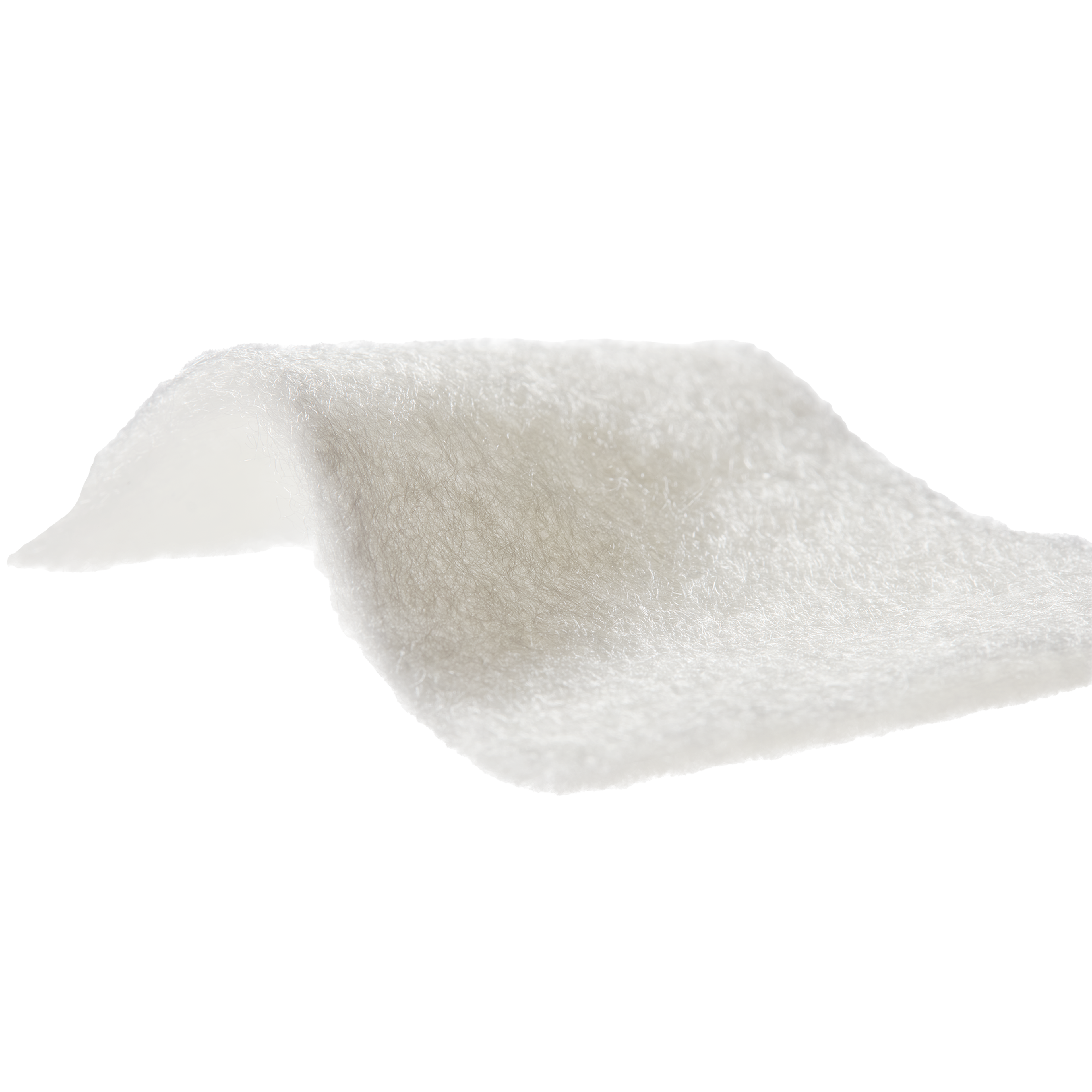
SURGICEL SNoW™ Absorbable Hemostat
For focus on the procedure, not the bleed. With better handling1,2AB, speed, and performance3, SURGICEL SNoW™ uses an updated, structured, non-woven fabric to conform to irregular surfaces and stop bleeding at the site.1 Part of our SURGICEL™ Family of Products, SURGICEL SNoW™ is optimized for laparoscopic surgery with a variety of sizing options and has been demonstrated in vitro bactericidal activity against all of the most common pathogens (MRSA, MRSE, VRE, PRSP, E. coli).4-6C
References
EVARREST™ Fibrin Sealant Patch
Important Safety Information
Indications and Usage
EVARREST™ is a fibrin sealant patch indicated for use with manual compression as an adjunct to hemostasis in adult patients undergoing surgery, when control of bleeding by conventional surgical techniques (such as suture, ligature, and cautery) is ineffective or impractical.
Limitations for Use
• Cannot be used in place of sutures or other forms of mechanical ligation in the treatment of major arterial or venous bleeding.
• Not for use in children under one month of age
• Laparoscopic and other minimally invasive surgeries where manual compression would be difficult to achieve.
Dosage and Administration
For topical use only
• Determine the number of patches to be applied based upon the surface area and anatomic location of the bleeding tissue to be treated.
• Keep the patch dry until use.
• Place the powdery (active) side of the patch on the surface of tissue.
• Apply immediate manual compression over the entire surface of the patch and maintain contact pressure for 3 minutes to control the bleeding.
Dosage Forms and Strengths
EVARREST™ Fibrin Sealant Patch consists of human fibrinogen and human thrombin embedded in a flexible composite patch component. The active side is powdery, and the non-active side has an embossed wave pattern.
Each 2 x 4 inch (5.1 x 10.2 cm) absorbable patch contains:
• 55.5 mg per square inch (8.6 mg per square cm) human fibrinogen
• 241.9 Units per square inch (37.5 Units per square cm) human thrombin
Contraindications
• Do not use to treat bleeding from large defects in arteries or veins.
• Do not apply intravascularly.
• Do not use in individuals known to have anaphylactic or severe systemic reaction to human blood products.
Warnings and Precautions
• Thrombosis can occur if absorbed systemically. Apply topically to the bleeding site only.
• Can cause hypersensitivity reactions including anaphylaxis.
• Avoid application to contaminated areas of the body or in the presence of active infection. Infection can occur.
• EVARREST™ contains oxidized regenerated cellulose which adheres to bleeding surfaces. Inadvertent adhesions can occur.
• Avoid use in, around, or in proximity to, foramina in bone or areas of bony confine where swelling may cause compression.
• Use the least number of patches required to cover the entire bleeding area.
• May carry a risk of transmitting infectious agents, e.g., viruses, the variant Creutzfeldt-Jakob disease (vCJD) agent and, theoretically, the Creutzfeldt-Jakob disease (CJD) agent.
Adverse Reactions
The adverse reactions reported during clinical trials occurred in less than 1% of all cases and included deep venous thrombosis, pulmonary embolism, blood fibrinogen increase, anastomotic hemorrhage, post procedural and intra-abdominal hemorrhage, abdominal distension, anemia, gastrointestinal hemorrhage, thoracic cavity drainage, pleural effusion, abdominal abscess, ascites, localized intra-abdominal fluid collection, cardiac failure, operative hemorrhage, and ischemic bowel.
To report SUSPECTED ADVERSE REACTIONS, contact ETHICON Customer Support Center at 1-877-384-4266 or FDA at 1-800-FDA-1088 or www.fda.gov/medwatch.
USE IN SPECIFIC POPULATIONS
Pediatric: Use in children under the age of one month may be unsafe or ineffective due to small size and limited ability to apply the patch as recommended.3
For complete indications, contraindications, warnings, precautions, and adverse reactions, please reference full package insert.
US_SRG_BIOS_125120.1
SURGICEL™ Essential Product Information
INDICATIONS
SURGICEL™ Absorbable Hemostat (oxidized regenerated cellulose) is used adjunctively in surgical procedures to assist in the control of capillary, venous, and small arterial hemorrhage when ligation or other conventional methods of control are impractical or ineffective. SURGICEL™ ORIGINAL, SURGICEL™ FIBRILLAR™, SURGICEL NU-KNIT™, and SURGICEL SNoW™ Hemostats can be cut to size for use in endoscopic procedures.
CONTRAINDICATIONS
- Although packing or wadding sometimes is medically necessary, SURGICEL™ Absorbable Hemostat should not be used in this manner, unless it is to be removed after hemostasis is achieved (See WARNINGS and PRECAUTIONS).
- SURGICEL™ Absorbable Hemostat should not be used for implantation in bone defects, such as fractures, since there is a possibility of interference with callus formation and a theoretical chance of cyst formation.
- When SURGICEL™ Absorbable Hemostat is used to help achieve hemostasis in, around, or in proximity to foramina in bone, areas of bony confine, the spinal cord, or the optic nerve and chiasm, it must always be removed after hemostasis is achieved since it will swell and could exert unwanted pressure.
- SURGICEL™ Absorbable Hemostat should not be used to control hemorrhage from large arteries.
- SURGICEL™ Absorbable Hemostat should not be used on non-hemorrhagic serous oozing surfaces, since body fluids other than whole blood, such as serum, do not react with SURGICEL™ Absorbable Hemostat to produce satisfactory hemostatic effect.
- SURGICEL™ Absorbable Hemostat is an absorbable hemostat, and should not be used as an adhesion prevention product.
Warnings and Precautions
- SURGICEL™ Absorbable Hemostat is supplied sterile and as the material is not compatible with autoclaving or ethylene oxide sterilization, SURGICEL™ Absorbable Hemostat should not be resterilized.
- SURGICEL™ Absorbable Hemostat is not intended as a substitute for careful surgery and the proper use of sutures and ligatures.
- Closing SURGICEL™ Absorbable Hemostat in a contaminated wound may lead to complications and should be avoided.
- The hemostatic effect of SURGICEL™ Absorbable Hemostat is greater when it is applied dry; therefore it should not be moistened with water or saline.
- SURGICEL™ Absorbable Hemostat should not be impregnated with anti-infective agents or with other materials such as buffering or hemostatic substances. Its hemostatic effect is not enhanced by the addition of thrombin, the activity of which is destroyed by the low pH of the product.
- Although SURGICEL™ Absorbable Hemostat may be left in situ when necessary, it is advisable to remove it once hemostasis is achieved. It must always be removed from the site of application when used in, around, or in proximity to foramina in bone, areas of bony confine, the spinal cord, and/or the optic nerve and chiasm, and in proximity to tubular structures that could become constricted by swelling, regardless of the type of surgical procedure because SURGICEL™ Hemostat, by swelling, may exert pressure resulting in paralysis and/or nerve damage. Dislodgement of SURGICEL™ Absorbable Hemostat could possibly occur by means such as repacking, further intraoperative manipulation, lavage, exaggerated respiration, etc. There have been reports that in procedures such as lobectomy, laminectomy and repair of a frontal skull fracture and lacerated lobe that SURGICEL™ Absorbable Hemostat, when left in the patient after closure, migrated from the site of application into foramina in bone around the spinal cord resulting in paralysis and, in another case, the left orbit of the eye, causing blindness. While these reports cannot be confirmed, special care must be taken by physicians, regardless of the type of surgical procedure, to consider the advisability of removing SURGICEL™ Absorbable Hemostat after hemostasis is achieved.
- Although SURGICEL™ Absorbable Hemostat is bactericidal against a wide range of pathogenic microorganisms, it is not intended as a substitute for systemically administered therapeutic or prophylactic antimicrobial agents to control or prevent post-operative infections.
PRECAUTIONS
- Use only as much SURGICEL™ Absorbable Hemostat as is necessary for hemostasis, holding it firmly in place until bleeding stops. Remove any excess before surgical closure in order to facilitate absorption and minimize the possibility of foreign body reaction, such as encapsulation of the product, which may mimic artifacts on radiographic images, resulting in diagnostic errors and possible reoperation.
- In urological procedures, minimal amounts of SURGICEL™ Absorbable Hemostat should be used and care must be exercised to prevent plugging of the urethra, ureter, or a catheter by dislodged portions of the product.
- Since absorption of SURGICEL™ Absorbable Hemostat could be prevented in chemically cauterized areas, its use should not be preceded by application of silver nitrate or any other escharotic chemicals.
- If SURGICEL™ Absorbable Hemostat is used temporarily to line the cavity of large open wounds, it should be placed so as not to overlap the skin edges. It should also be removed from open wounds by forceps or by irrigation with sterile water or saline solution after bleeding has stopped.
- Precautions should be taken in otorhinolaryngologic surgery to assure that none of the material is aspirated by the patient. (Examples: controlling hemorrhage after tonsillectomy and controlling epistaxis.)
- Care should be taken not to apply SURGICEL™ Absorbable Hemostat too tightly when it is used as a wrap during vascular surgery (see ADVERSE REACTIONS).
ADVERSE REACTIONS
- “Encapsulation” of fluid and foreign body reactions have been reported.
- There have been reports of stenotic effect when SURGICEL™ Absorbable Hemostat has been applied as a wrap during vascular surgery. Although it has been established that the stenosis was directly related to the use of SURGICEL™ Absorbable Hemostat, it is important to be cautious and avoid applying the material tightly as a wrapping.
- Paralysis and nerve damage have been reported when SURGICEL™ Absorbable Hemostat was used around, in, or in proximity to foramina in bone, areas of bony confine, the spinal cord, and/or the optic nerve and chiasm. While most of these reports have been in connection with laminectomy, reports of paralysis and nerve damage have also been received in connection with other procedures such as thyroidectomy. Blindness has been reported in connection with surgical repair of a lacerated left frontal lobe when SURGICEL™ Absorbable Hemostat was placed in the anterior cranial fossa (See WARNINGS and PRECAUTIONS).
- Possible prolongation of drainage in cholecystectomies and difficulty passing urine per urethra after prostatectomy have been reported. There has been one report of a blocked ureter after kidney resection, in which postoperative catheterization was required.
- Occasional reports of “burning” and “stinging” sensations and sneezing when SURGICEL™ Absorbable Hemostat has been used as packing in epistaxis, are believed to be due to the low pH of the product.
- Burning has been reported when SURGICEL™ products were applied after nasal polyp removal and hemorrhoidectomy. Headache, burning, stinging, and sneezing in epistaxis and other rhinological procedures, and stinging when SURGICEL™ Absorbable Hemostat was applied on surface wounds (varicose ulcerations, dermabrasions, and donor sites) have also been reported.
For more information, call 1-800-795-0012. For complete product information including indications, contraindications, warnings, precautions, and adverse reactions, and directions for use, please consult the product package inserts.
SURGIFLO™ Hemostatic Matrix Kit Essential Product Information (Made from Absorbable Gelatin Sponge, USP) with Thrombin
DESCRIPTION
SURGIFLO™ with Thrombin (SURGIFLO™ Hemostatic Matrix Kit) is intended for hemostatic use by applying to a bleeding surface.
ACTIONS
When used in appropriate amounts SURGIFLO™ is absorbed completely within 4 to 6 weeks.
INTENDED USE/INDICATIONS
SURGIFLO™, mixed with thrombin solution, is indicated in surgical procedures (other than ophthalmic) as an adjunct to hemostasis when control of bleeding by ligature or other conventional methods is ineffective or impractical.
CONTRAINDICATIONS
- Do not use SURGIFLO™ in intravascular compartments because of the risk of embolization.
- Do not use SURGIFLO™ in patients with known allergies to porcine gelatin.
- Do not use SURGIFLO™ in closure of skin incisions because it may interfere with the healing of skin edges. This interference is due to mechanical interposition of gelatin and is not secondary to intrinsic interference with wound healing.
WARNINGS
- SURGIFLO™ Hemostatic Matrix is not intended for prevention of bleeding. The use of SURGIFLO™ Hemostatic Matrix for mechanical support has not been studied.
- SURGIFLO™ should not be used in the presence of infection and should be used with caution in contaminated areas of the body.
- SURGIFLO™ should not be used in instances of pumping arterial hemorrhage. SURGIFLO™ will not act as a tampon or plug in a bleeding site.
- SURGIFLO™ should be removed from the site of application when used in, around, or in proximity to foramina in bone, areas of bony confine, the spinal cord, and/or the optic nerve and chiasm because it may swell resulting in nerve damage.
- Excess SURGIFLO™ should be removed once hemostasis has been achieved.
- The safety and effectiveness of SURGIFLO™ for use in ophthalmic procedures has not been established.
- SURGIFLO™ should not be used for controlling post-partum intrauterine bleeding or menorrhagia.
- The safety and effectiveness of SURGIFLO™ has not been established in children and pregnant women.
- The blue flexible applicator tip should not be trimmed to avoid exposing internal guidewire.
- The white straight applicator tip should be trimmed away from the surgical area. Cut a square angle to avoid creating a sharp tip.
PRECAUTIONS
- Safe and effective use of SURGIFOAM™ Sponge has been reported in a published neurologic retrospective study involving 1700 cases in Europe. Safe and effective use in neurosurgery has not been proven through randomized, controlled clinical studies in the United States.
- SURGIFLO™ Hemostatic Matrix is for single use only. Do not resterilize. If the product is reused the performance of the product may deteriorate, and cross contamination may occur which may lead to infection.
- SURGIFLO™ Hemostatic Matrix is supplied as a sterile product. Unused open SURGIFLO™ Hemostatic Matrix should be discarded. Do not use SURGIFLO™ Hemostatic Matrix if sterile barrier package is damaged as sterility may be compromised.
- While packing a cavity for hemostasis is sometimes surgically indicated, SURGIFLO™ Hemostatic Matrix should not be used in this manner unless excess product that is not needed to maintain hemostasis is removed. When incorporated into a fibrin clot, SURGIFLO™ Hemostatic Matrix may swell up to 20% upon contact with additional fluid.
- SURGIFLO™ should not be used in conjunction with autologous blood salvage circuits.
- SURGIFLO™ should not be used in conjunction with methylmethacrylate adhesives.
- In urological procedures, SURGIFLO™ should not be left in the renal pelvis or ureters to eliminate the potential foci for calculus formation.
ADVERSE EVENTS
A total of 142 patients received SURGIFOAM™ Sponge during a clinical trial comparing SURGIFOAM™ Sponge to another absorbable gelatin sponge. In general, the following adverse events have been reported with the use of absorbable porcine gelatin-based hemostatic agents:
- Gelatin-based hemostatic agents may serve as a nidus for infection and abscess formation and have been reported to potentiate bacterial growth.
- Giant cell granulomas have been observed at implant sites when used in the brain.
- Compression of the brain and spinal cord resulting from the accumulation of sterile fluid have been observed.
- Multiple neurologic events were reported when absorbable gelatin-based hemostatic agents were used in laminectomy operations, including cauda equina syndrome, spinal stenosis, meningitis, arachnoiditis, headaches, paresthesias, pain, bladder and bowel dysfunction, and impotence.
- The use of absorbable gelatin-based hemostatic agents during the repair of dural defects associated with laminectomy and craniotomy operations, has been associated with fever, infection, leg paresthesias, neck and back pain, bladder and bowel incontinence, cauda equina syndrome, neurogenic bladder, impotence, and paresis.
- The use of absorbable gelatin-based hemostatic agents has been associated with paralysis, due to device migration into foramina in the bone around the spinal cord, and blindness, due to device migration in the orbit of the eye, during lobectomy, laminectomy, and repair of a frontal skull fracture and lacerated lobe.
- Foreign body reactions, “encapsulation” of fluid, and hematoma have been observed at implant sites.
- Excessive fibrosis and prolonged fixation of a tendon have been reported when absorbable gelatin-based sponges were used in severed tendon repair.
- Toxic shock syndrome was reported in association with the use of absorbable gelatin-based hemostats in nasal surgery.
- Fever, failure of absorption, and hearing loss have been observed when absorbable hemostatic agents were used during tympanoplasty.
Adverse Reactions to Gelatin-Based Hemostatic Agents with Thrombin
Adhesion formation and small bowel obstruction are well-known and common complications following abdominal and gynecological surgeries. Adverse events such as these, as well as inflammation and foreign body reaction including giant cell granulomas, have been reported within abdominal and gynecological surgeries in which gelatin-based and collagen-based hemostatic agents with thrombin have been used in excessive amount. Inflammation and foreign body reaction such as encapsulation of the product may mimic artifacts on radiographic images, resulting in diagnostic errors and possible reoperation. Therefore, as with other gelatin hemostatic agents, only the minimum amount of SURGIFLO™ Hemostatic Matrix needed to achieve hemostasis should be used. Once hemostasis is achieved, any excess SURGIFLO™ Hemostatic Matrix should be carefully removed.
EVITHROM™ Thrombin, Topical (Human) for Topical Use Only
Lyophilized Powder for Solution
EVITHROM™ is a topical thrombin indicated as an aid to hemostasis whenever oozing blood and minor bleeding from capillaries and small venules is accessible and control of bleeding by standard surgical techniques (such as suture, ligature or cautery) is ineffective or impractical.
EVITHROM™ may be used in conjunction with an Absorbable Gelatin Sponge, USP.
Important Safety Information
- For topical use only.
- Do not inject.
- Apply EVITHROM™ on the surface of bleeding tissue only.
- The amount of EVITHROM™ required depends upon the area of tissue to be treated and the method of application. In clinical studies, volumes up to 10 ml were used in conjunction with Absorbable Gelatin Sponge.
- Do not use for the treatment of severe or brisk arterial bleeding.
- Do not use in individuals known to have anaphylactic or severe systemic reaction to human blood products. Hypersensitivity reactions, including anaphylaxis, may occur.
- There is a potential risk of thrombosis if absorbed systemically.
- May carry a risk of transmitting infectious agents such as viruses and theoretically, the Creutzfeldt-Jakob disease (CJD) agent, despite manufacturing steps designed to reduce the risk of viral transmission.
- The most common adverse reactions during clinical trial (reported in at least 2% of subjects treated with EVITHROM™) were prolonged activated partial thromboplastin time, increased INR, decreased lymphocyte count, prolonged prothrombin time, and increased neutrophil count.
- None of the patients treated with EVITHROM™ developed antibodies to human thrombin or to human Factor V/Va. The clinical significance of these findings is unknown.
For complete indications, contraindications, warnings, precautions, and adverse reactions, please reference full package insert.
VISTASEAL™ Fibrin Sealant (Human) IMPORTANT SAFETY INFORMATION
INDICATION
VISTASEAL™, a fibrin sealant, is indicated as an adjunct to hemostasis for mild to moderate bleeding in patients undergoing surgery when control of bleeding by standard surgical techniques (such as suture, ligature, and cautery) is ineffective or impractical. VISTASEAL™ is effective in heparinized patients.
CONTRAINDICATIONS
Do not inject directly into the circulatory system.
Do not use for the treatment of severe or brisk arterial bleeding.
Do not use in patients with history of anaphylaxis or severe systemic reactions to human blood products.
Do not use VISTASEAL™ for spraying unless the minimum recommended distance from the applicator tip to the bleeding site can be achieved.
WARNINGS AND PRECAUTIONS
Thromboembolic events may occur if VISTASEAL™ is administered intravascularly.
Hypersensitivity reactions can occur.
May carry a risk of transmitting infectious agents, e.g., viruses, the variant Creutzfeldt-Jakob disease (vCJD) agent and, theoretically, the Creutzfeldt-Jakob disease (CJD) agent.
ADVERSE REACTIONS
The most common adverse reactions (reported in >1% of patients) were procedural pain, and nausea.
For complete indications, contraindications, warnings, precautions, and adverse reactions, please reference full package insert.
A. Net cost savings determined by comparing EVARREST to SoC based on product acquisition cost, surgery time, transfusion requirements, and retreatment effect. SoC varied across trials cited.
B. Cardiovascular surgery efficacy claims refer to head-to-head study of EVARREST and TachoSil® Fibrin Sealant Patch
C. Net cost savings determined by comparing EVARREST to SoC based on product acquisition cost, surgery time, transfusion requirements, retreatment effect, length of stay, and ventilator days. SoC varied across trials cited.
- Fischer CP, et al. Clinical Study Report 400-07-002. 20 November 2009.
- Koea JB, Batiller J, Patel B, et al. A phase III, randomized, controlled, superiority trial evaluating the fibrin pad versus standard of care in controlling parenchymal bleeding during elective hepatic surgery. HPB. 2013;15(1):61-70.
- Garden, OJ, et al. Clinical Study Report BIOS-13-005. 13 November 2014.
- Kocharian, R et al. Clinical Study Report BIOS-13-004. 03 December 2015.
- EVARREST™ Fibrin Sealant Patch Prescribing Information. Ethicon, Inc.
- EVARREST Economic Cost Analysis. Aug 2016. Ethicon, Inc.
- Corral M, Ferko N, Hogan A, et al. A hospital cost analysis of a fibrin sealant patch in soft tissue and hepatic surgical bleeding. ClinicoEconomics and Outcomes Research. 2016;8:507-519.
- Fischer CP, Bochicchio G, Shen J, et al. A prospective, randomized, controlled trial of the efficacy and safety of fibrin pad as an adjunct to control soft tissue bleeding during abdominal, retroperitoneal, pelvic, and thoracic surgery. J Am Coll Surg. 2013;217(3):385-393.
- Koea J, Baldwin P, Shen J, et al. Safety and hemostatic effectiveness of the fibrin pad for severe soft-tissue bleeding during abdominal, retroperitoneal, pelvic, and thoracic (non-cardiac) surgery: a randomized, controlled, superiority trial. World J Surg. 2015;39(11):2663–2669.
- Koea J, Batiller J, Aguirre N, Shen J, Kocharian R, Bochicchio G, Garden OJ. A multicentre, prospective, randomized, controlled trial comparing EVARREST fibrin sealant patch to standard of care in controlling bleeding following elective hepatectomy: anatomic versus non-anatomic resection. HPB (Oxford). 2016;18(3):221–228
- Ethicon Inc. Moainie SL, Chen E, Al-Attar N, Batiller J, Aguirre N, Kocharian R. EVARREST Fibrin Sealant Patch as a hemostatic adjunct in aortic reconstruction surgery. The Houston Aortic Symposium. Houston, Texas, March 2016.
- G, Garden OJ. A multicentre, prospective, randomized, controlled trial comparing EVARREST fibrin sealant patch to standard of care in controlling bleeding following elective hepatectomy: anatomic versus non-anatomic resection. HPB (Oxford). 2016;18(3):221–228
- Marietta M, Facchini L, Pedrazzi P, Busani S, Torelli G. Pathophysiology of bleeding in surgery. Transplant Proc. 2006;38(3):812-814.
For complete indications, contraindications, warnings, precautions, and adverse reactions, please reference full package insert.
The third-party trademarks used herein are trademarks of their respective owners.
US_SRG_BIOS_129901.1