Wound Closure and Healing
Closure is the foundation of successful surgery. And as surgery evolves, so do our technologies. By relentlessly advancing closure and healing solutions, we help surgeons anticipate surgical challenges, navigate tissue complexity, and improve patient outcomes.

Evidence
Economic evidence
Our technologies are designed to make an impact:
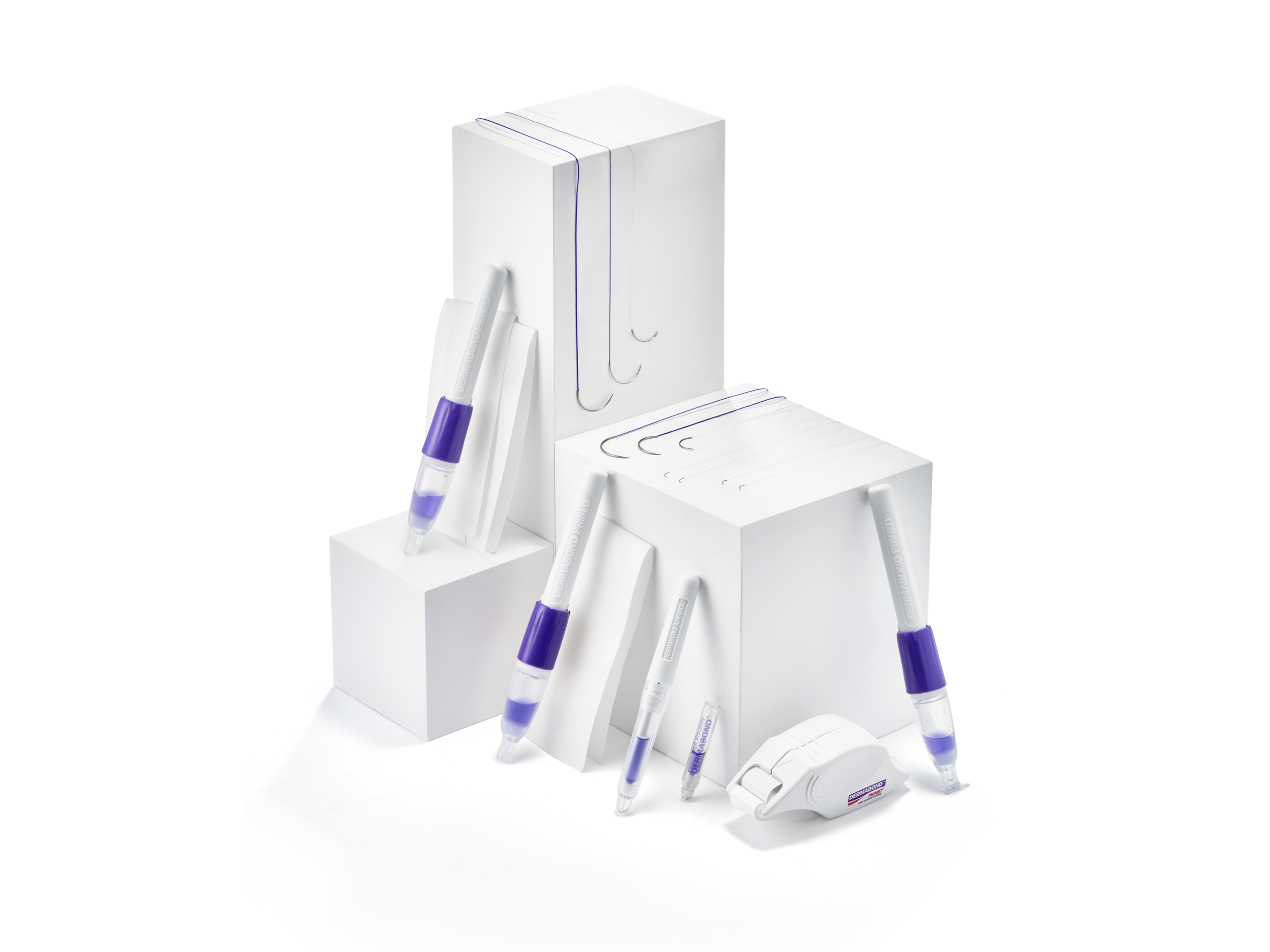
In total joint arthroplasty, watertight multi-layer closure with STRATAFIX™ Symmetric PDS™ Plus Knotless Tissue Control Device, STRATAFIX™ Spiral Knotless Tissue Control Device, and DERMABOND™ PRINEO™ Skin Closure System vs. Conventional sutures and staples was associated with significantly:1
- Fewer reoperations within 90 daysA
- Shorter length of stayA
- Increased days to readmissionA
- Lower incidence of discharge to non-home settingB

Clinical value
Our Plus Antibacterial Sutures are supported by the highest level of clinical evidence and by health authorities around the world:2-7C
- Triclosan-coated sutures have been shown in multiple meta-analyses to reduce the risk of surgical site infections up to 29%.2,8-12DE
- Plus Antibacterial Sutures are effective against the most common pathogens associated with surgical site infections in an in vitro study.13-15FG
10.7%
Reduction in OR time
With STRATAFIX™ Knotless Tissue Control Devices when compared to using traditional sutures in Total Hip Arthroplasty.16H
~50%
Greater wound holding strength
With DERMABOND™ PRINEO™ Skin Closure System vs. LiquiBand® XL.17IJ
99.9%
Reduction in the most common SSI pathogens
when using MONOCRYL™ Plus Antibacterial (poliglecaprone 25) Sutures, as compared to non-antibacterial sutures.18K-M

Improving surgical outcomes with new standards and surveillance
A quarter of surgical readmissions are due to wound complications19, many of which are found to have been preventable. Even with proper use of evidence-based protocols, surveillance is crucial to detect the magnitude, assess interventions, and improve the standard of care.20 We've partnered with the global healthcare community to establish global standards in the evaluation, reporting, and classification of surgical site outcomes.
Every closure counts
Our mission is to advance wound closure technology with solutions for every patient and procedure need.
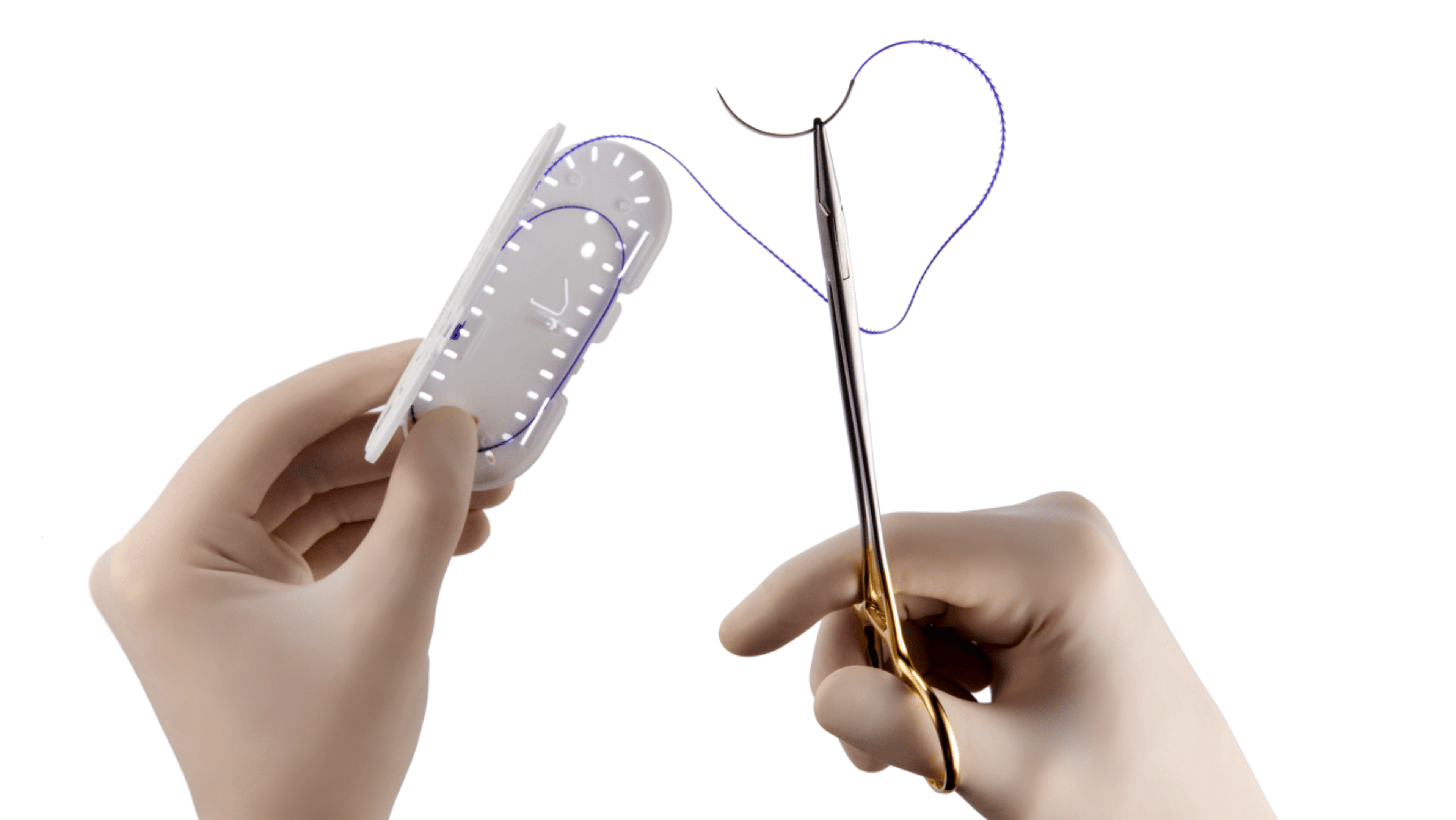
Next generation knotless suturing
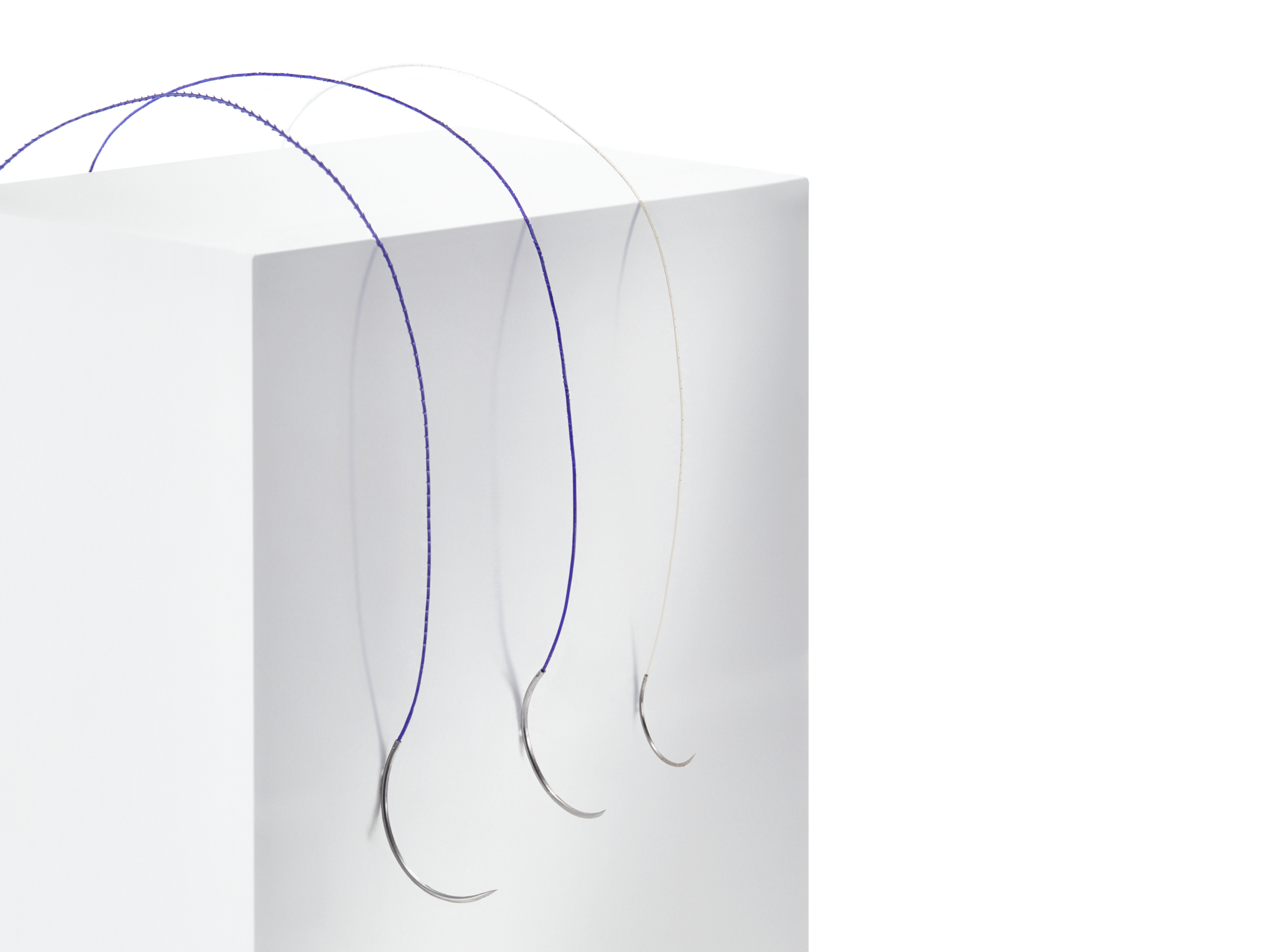
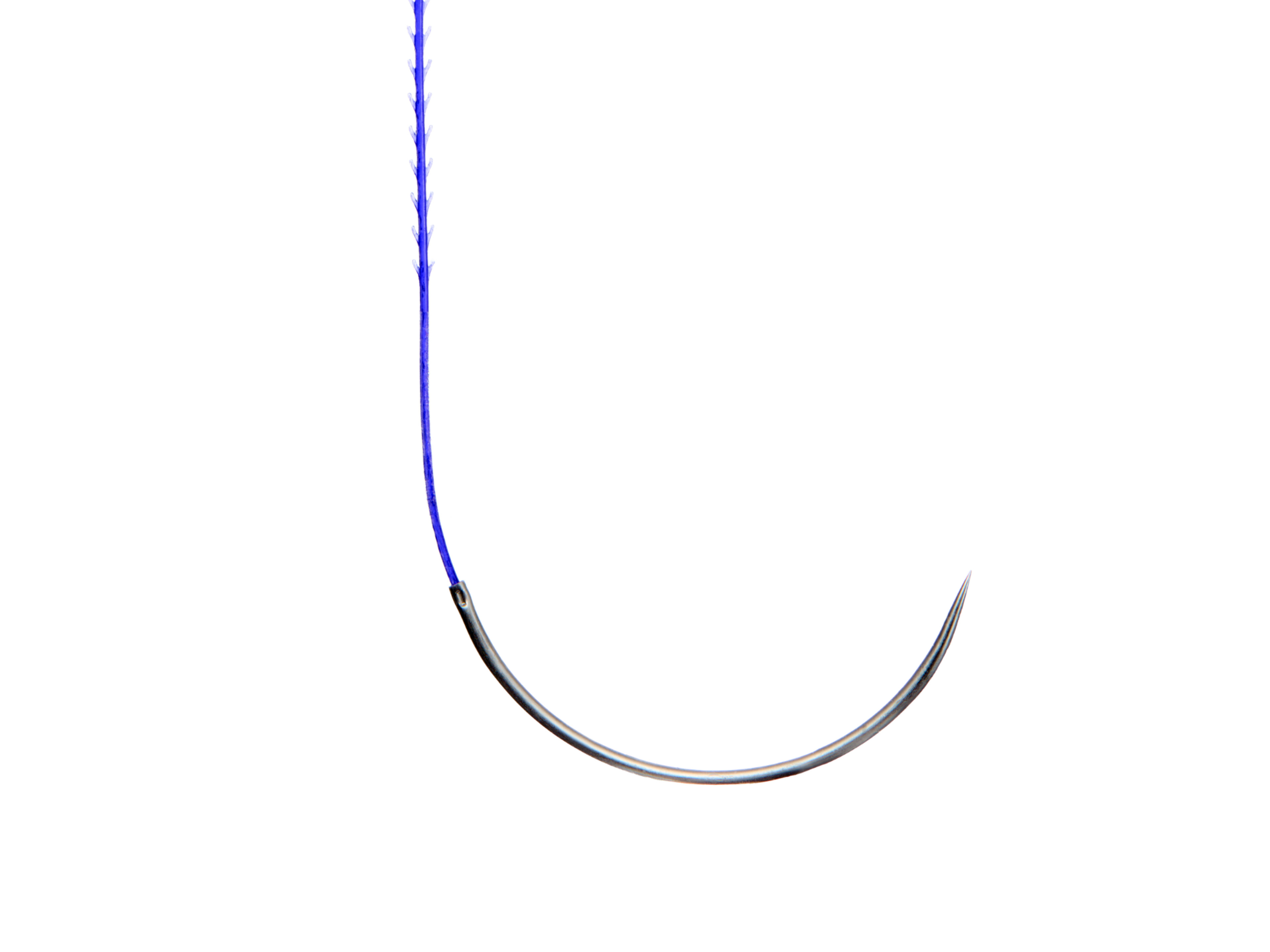
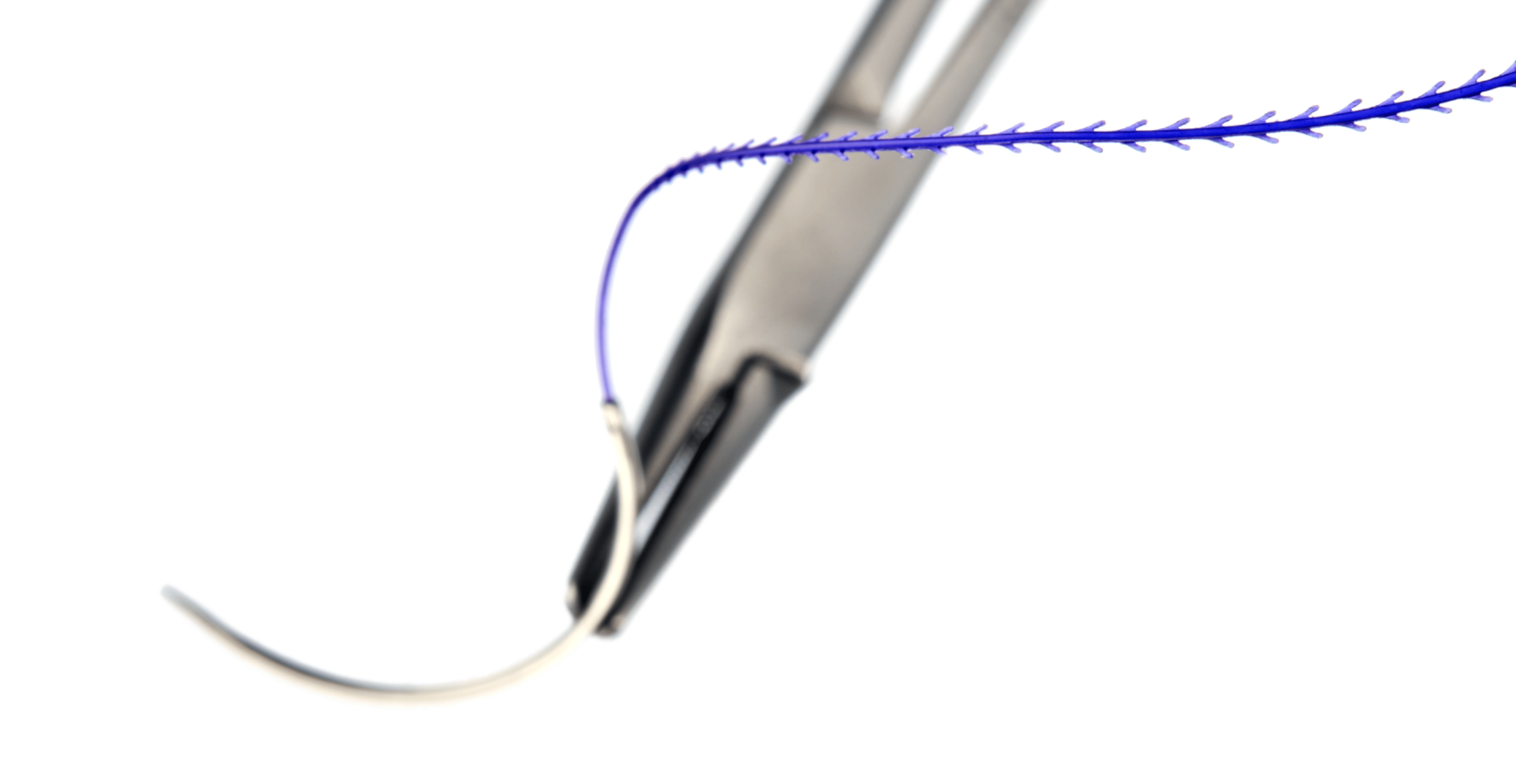
STRATAFIX™ Knotless Tissue Control Device
Consistent control over every pass, combining the strength and security of interrupted closure with the efficiency of continuous closure.21,22
No knots23,24 for a seamless end-to-end closure
Bidirectional STRATAFIX™ Spiral Knotless Tissue Control Device allows two healthcare providers to close simultaneously, providing greater time savings compared to traditional suturing techniques
Only barbed suture portfolio with exclusive Plus Antibacterial Technology25N

Protection against Surgical Site Infections (SSI)
Plus Antibacterial Sutures
Designed for protection against surgical site infections, featuring antimicrobial technology to inhibit bacterial colonization for 7 days or more post-surgery.13-15O
Surgical site infections are potentially catastrophic for patients and hospitals
Plus Antibacterial Sutures help prevent the formation of biofilm and inhibit bacterial colonization of the suture.26,27
Plus Antibacterial Sutures are effective against the most common pathogens associated with surgical site infection in an in vitro study13-15FG
Watertight flexible seals
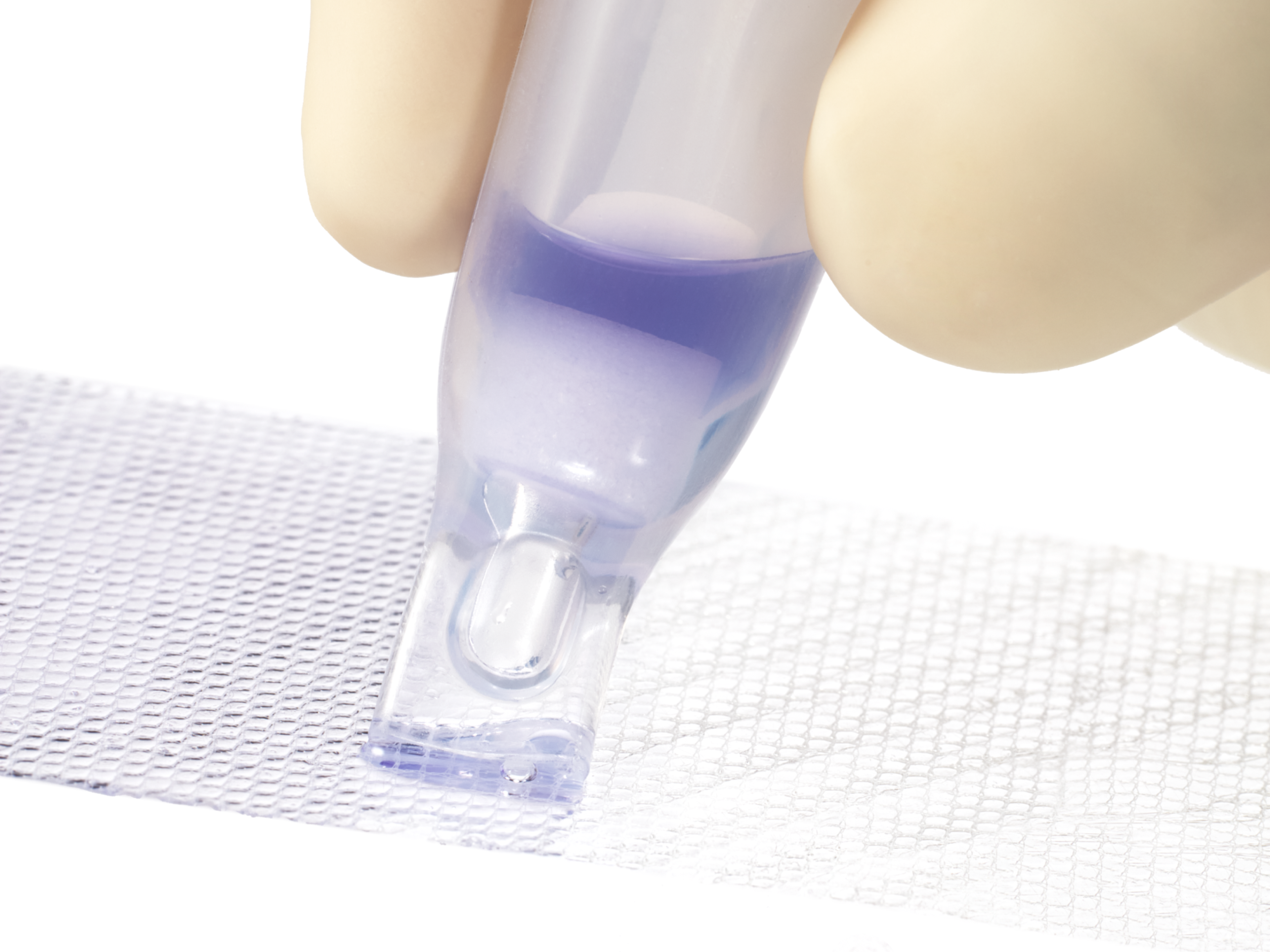
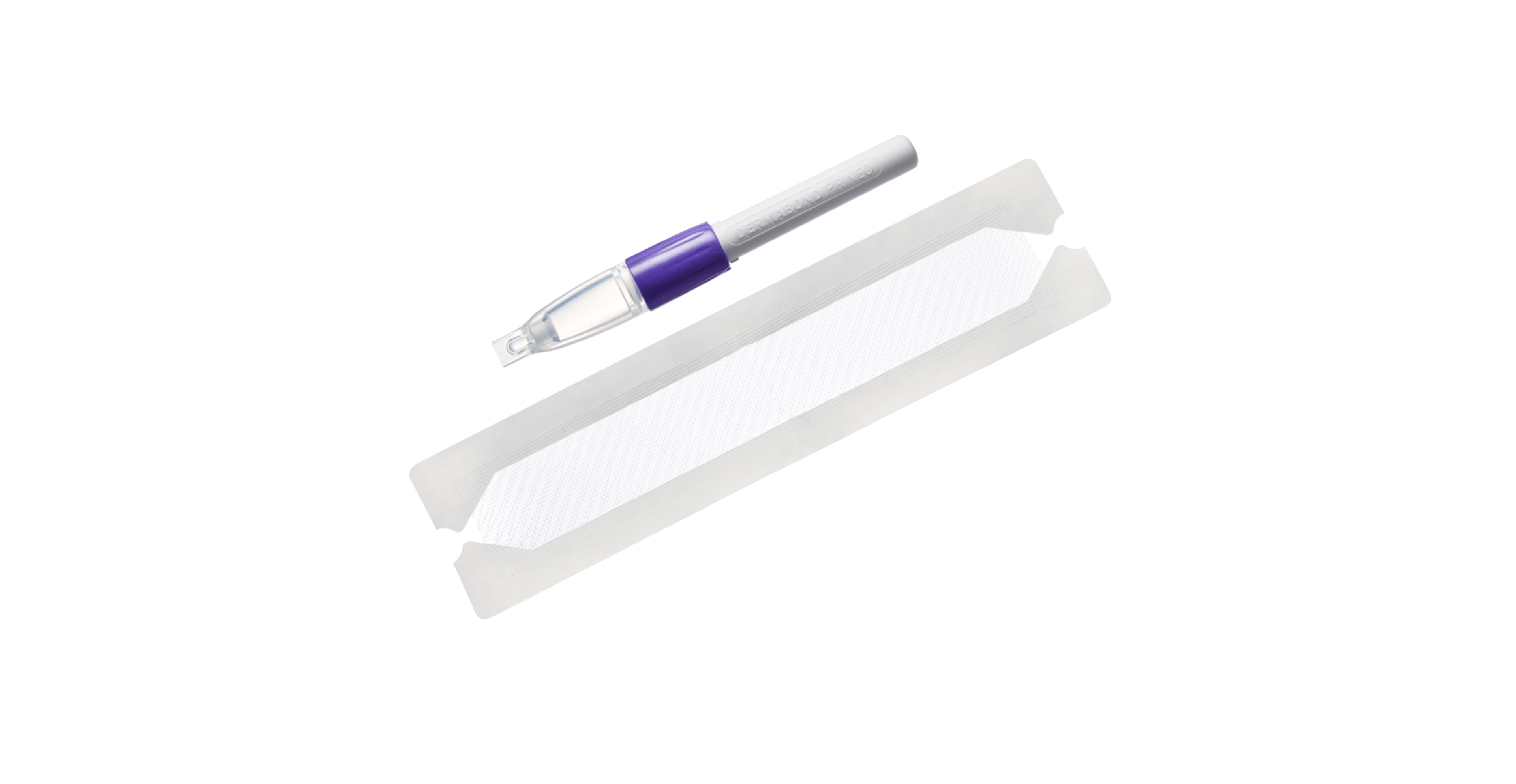
DERMABOND™ PRINEO™ Skin Closure System
Provide flexible microbial barrier with 99% protection in vitro for 72 hours against organisms commonly responsible for surgical site infections.28,29PQ
DERMABOND™ PRINEO™ System offers strong, protected closure for optimal wound healing29-31
Liquid adhesive with a self-adhering mesh32
Proven strength, flexibility, and microbial barrier28,31-36R
Supporting documentation
Browse products
References
A. Total Joint Arthroplasty data extracted from Electronic Medical Records at Valley Medical Center (VMC), based on unadjusted outcomes, University of Washington, (p<0.0001), n=2107, 01/2014 – 03/2019.
B. Total Joint Arthroplasty data extracted from Electronic Medical Records at Valley Medical Center (VMC), based on unadjusted outcomes, University of Washington (p=0.0031), n=2107, 01/2014 – 03/2019.
C. CDC, WHO, ACS/SIS, NICE, and KRINKO guidelines on reducing the risk of surgical site infections are general to triclosan-coated sutures and are not specific to any one brand.
D. In multiple meta-analyses.
E. All triclosan-coated sutures in these RCTs were Ethicon Plus Antibacterial Sutures (MONOCRYL™ Plus, VICRYL™ Plus, and PDS™ Plus).
F. S aureus, S epidermidis, MRSA, MRSE, E coli, K pneumoniae, E cloacae
G. E cloacae for PDS™ Plus Antibacterial (polydioxanone) Suture and MONOCRYL™ Plus Antibacterial (poliglecaprone 25) Suture only.
H. Based on retrospective analysis of 5,958 cases from the Premier Perspective® Hospital Database.
I. In an ex-vivo study.
J. Level of significance P=0.05.
K. Tested in a 2-0 MONOCRYL Plus Suture.
L. Log Reduction - Staphylococcus aureus 3.69, Staphylococcus epidermidis 1.84, MRSA 3.10, MRSE 4.92, Escherichia coli 4.54, Klebsiella pneumonia 3.64
M. The study was executed following protocol 100883589 and 100207824 Test Method for Bacterial Attachment rev 1. Based on a two-sample t-test, efficacy was demonstrated for Staphylococcus aureus, Staphylococcus epidermidis, MRSA, Escherichia coli, and Klebsiella pneumoniae using 10% Trypticase Soy Broth (TSB). Efficacy was not observed for MRSE using the same conditions (10% TSB). MRSE is a slow growing bacterium and the recovery from control sutures was in the range of 3.5-4.24 log CFUs, which is 1-2 logs lower than other challenge bacteria, suggesting the media used (10% TSB) may not be suitable for this slow growing bacterium. It was thought that increasing concentration of TSB from 10- 50% would provide additional nutrients and hence support robust growth of the bacterium. The study was repeated with inoculum prepared in 50% TSB and results are reported.
N. Refers only to STRATAFIX™ Symmetric PDS™ Plus, STRATAFIX™ Spiral PDS™ Plus and STRATAFIX™ Spiral MONOCRYL™ Plus.
O. As shown in vitro.
P. Challenge organisms included Staphylococcus epidermidis, Escherichia coli, Staphylococcus aureus, Pseudomonas aeruginosa, and Enterococcus faecium.
Q. Clinical Significance Unknown.
R. As demonstrated in vitro.
Flener, JL., Chen, BP., Ernst FR., Libolt, A. & Barrett, WP. (2022) Advanced Multi-Layer, Watertight Closure in Total Joint Replacement: A Retrospective Study. Value in Health, Volume 25, Issue 12S, CO75 (December 2022).
de Jonge SW, Atema JJ, Solomkin JS, Boermeester MA. Meta-analysis and trial sequential analysis of triclosan-coated sutures for the prevention of surgical-site infection. Br J Surg. 2017;104(2):e118-e133.
- Berrios-Torres SI, Umscheid CA, Bratzler DW, et al. Centers for disease control and prevention guideline for the prevention of surgical site infection, 2017. JAMA Surg. 2017;152(8):784-791.
- Ban KA, Minei JP, Laronga C, et al. American college of surgeons and surgical infection society: surgical site infection guidelines, 2016 update. J Am Coll Surg. 2017; 224(1):59-74.
- NICE Guideline Updates Team (UK). Surgical site infection: prevention and treatment. NICE website. https:__www.nice.org.uk_guidance_ng125_chapter_Recommendations#closuremethods. Accessed April 3, 2020.
- World Health Organization. Global guidelines for the prevention of surgical site infection. https:__apps.who.int_iris_bitstream_handle_10665_250680_9789241549882-eng.pdf?sequence=8. Published November 2016. Accessed April 3, 2020.
- Prevention of postoperative wound infections. Recommendation of the Committee for Hospital Hygiene and Infection Prevention (KRINKO) at the Robert Koch Institute. Bundesgesundheitsbl. 2018;61(4):448-473.
- Miyoshi N, Fujino S; Clinical Study Group of Osaka University; Colorectal Cancer Treatment Group (CSGOCG). Triclosan-coated sutures to reduce surgical site infection in abdominal gastrointestinal surgery: A meta-analysis and systematic review. Surg Open Sci. 2023 Sep 14;16:73-76.
- Edwards M, Graziadio S, Shore J, et al. Plus Sutures for preventing surgical site infection: a systematic review of clinical outcomes with economic and environmental models. BMC Surg. 2023 Oct 3;23(1):300.
- Suleiman AS, Abbass M, Hossain M, Choudhary P, Bhattacharya P, Islam MA. Impact of antibiotic-coated sutures on surgical site infections: a second-order meta-analysis. Int J Surg. 2024 Jan 1;110(1):507-519. doi: 10.1097/JS9.0000000000000822. PMID: 37830948; PMCID: PMC10793740. https://journals.lww.com/international-journal-of-surgery/fulltext/2024/01000/impact_of_antibiotic_coated_sutures_on_surgical.51.aspx.
- Jalalzadeh H, Timmer AS, Buis DR, et al. Triclosan-Containing Sutures for the Prevention of Surgical Site Infection: A Systematic Review and Meta-Analysis. JAMA Netw Open. 2025;8(3):e250306. Published 2025 Mar 3. doi:10.1001/jamanetworkopen.2025.0306.
- Jenks PJ, Laurent M, McQuarry S,Watkins R. Clinical and economic burden of surgical site infection (SSI) and predicted financial consequences of elimination of SSI from an English hospital. J Hosp Infect 2014; 86: 24–33.
- Ming X, Rothenburger S, Yang D. In vitro antibacterial efficacy of Monocryl Plus Antibacterial Suture (poliglecaprone 25 with triclosan). Surg Infect (Larchmt). 2007;8(2):201-207.
- Rothenburger S, Spangler D, Bhende S, Burkley D. In vitro antimicrobial evaluation of Coated VICRYL™ Plus Antibacterial Suture (coated polyglactin 910 with triclosan) using zone of inhibition assays. Surg Infect (Larchmt). 2002;3(suppl 1):S79-S87.
- Ming X, Rothenburger S, Nichols MM. In vivo in vitro antibacterial efficacy of PDS* Plus (polydioxanone with Triclosan) Suture. Surg Infect (Larchmt). 2008;9(4):451-457.
- Sutton N, Schmitz ND, Johnston SS. Comparing outcomes between barbed and conventional sutures in patients undergoing knee or hip arthroplasty. J Comp Eff Res. 2018;7(10):975-987. doi:10.2217_cer-2018-0047.
- Ethicon, Inc. DERMABOND PRINEO™ Competitive Assessment PE-2023-0082. July-Aug 2023. ADAPTIV #101076810.
- Bhende S. Completion report for the evaluation of bacterial colonization on MONOCRYL™ Plus Antibacterial suture. 100933780. November 9, 2021. Ethicon, Inc.
- Williams C, Bagwell MT, DeDeo M, et al. Demographics and surgery‐related complications lead to 30‐day readmission rates among knee arthroscopic procedures. Knee Surgery, Sports Traumatology, Arthroscopy. 2022;30(7):2408-2418.
- Global Guidelines for the Prevention of Surgical Site Infection. World Health Organization; 2018.
- Moran ME, Marsh C, Perrotti M. Bidirectional-barbed sutured knotless running anastomosis v classic Van Velthoven suturing in a model system. J Endourol. 2007;21(10):1175-1178.
- Vakil JJ, O'Reilly MP, Sutter EG, Mears SC, Belko SM, Khanuja HS. Knee arthrotomy repair with a continuous barbed suture: a biomechanical study. J Arthroplasty. 2011;26(5):710-713.
- Einarsson JI, Chavan NR, Suzuki Y, Jonsdottir G, Vellinga TT, Greenberg JA. Use of bidirectional barbed suture in laparoscopic myomectomy: evaluation of perioperative outcomes, safety, and efficacy. J Minim Invasive Gynecol. 2011;18(1):92-95.
- Warner JP, Gutowski KA. Abdominoplasty with progressive tension closure using a barbed suture technique. Aesthet Surg J. 2009;29(3):221-225.
- Bhende S, Burkley D, Nawrocki J. In vivo and in vitro anti-bacterial efficacy of absorbable barbed polydioxanone monofilament tissue control device with triclosan. Surg Infect (Larchmt). 2018;19(4):430-437.
- Leaper D, Wilson P, Assadian O, et al. The role of antimicrobial sutures in preventing surgical site infection. Ann R Coll Surg Engl. 2017;99(6):439-443.
- Edmiston CE, Seabrook GR, Goheen MP, et al. Bacterial adherence to surgical sutures: can antibacterial-coated sutures reduce the risk of microbial contamination? J Am Col Surg. 2006;203:481-489.
- Shapiro A, Dinsmore R, North J, Tensile strength of wound closure with cyanoacrylate glue. Am Surg. 2001;67:1113-1115.
- Su W. Study Report for in vitro evaluation of microbial barrier properties of Dermabond™ Protape. 06TR071. December 4, 2006. Ethicon, Inc.
- Kumar A. Study to Compare the tissue holding strength of PRINEO™ skin closure system with conventional wound closure techniques. AST-2012-0290. October 11, 2012. Ethicon, Inc.
- Kannon GA, Garrett AB. Moist wound healing with occlusive dressings. Dermatol Surg. 1995;21:583-590.
- DERMABOND™ PRINEO™ Skin Closure System Instructions for Use. Ethicon, Inc.
- Keplinger S. Protocol investigation of the comparison of PRINEO with conventional wound closure techniques. Protocol 07PD048. May 15, 2007. Ethicon, Inc.
- Thomson CM. Multi-centre study to show equivalence of DERMABOND PROTAPE to INTRADERMAL SUTURES for skin closure of full thickness surgical incisions associated with breast procedures. Protocol 07CS003. Final Report. July 9, 2010. Ethicon, Inc.
- Lombard J. Multi-centre study to show equivalence of DERMABOND PROTAPE to INTRADERMAL SUTURES for skin closure of full thickness surgical incisions. Protocol 06CS005. Final Report. June 10, 2010.
- Bhende S. In-vitro study to evaluate the ability of DERMABOND™ PRINEO™ Skin Closure System to kill bacteria on contact. June 22, 2012. Ethicon, Inc.
The third-party trademarks used herein are trademarks of their respective owners.
For complete indications, contraindications, warnings, precautions, and adverse reactions, please reference full package insert.
US_SRG_WOUN_117936.1