Johnson & Johnson Institute
Coronary artery bypass grafting (CABG)
Commonly used devices
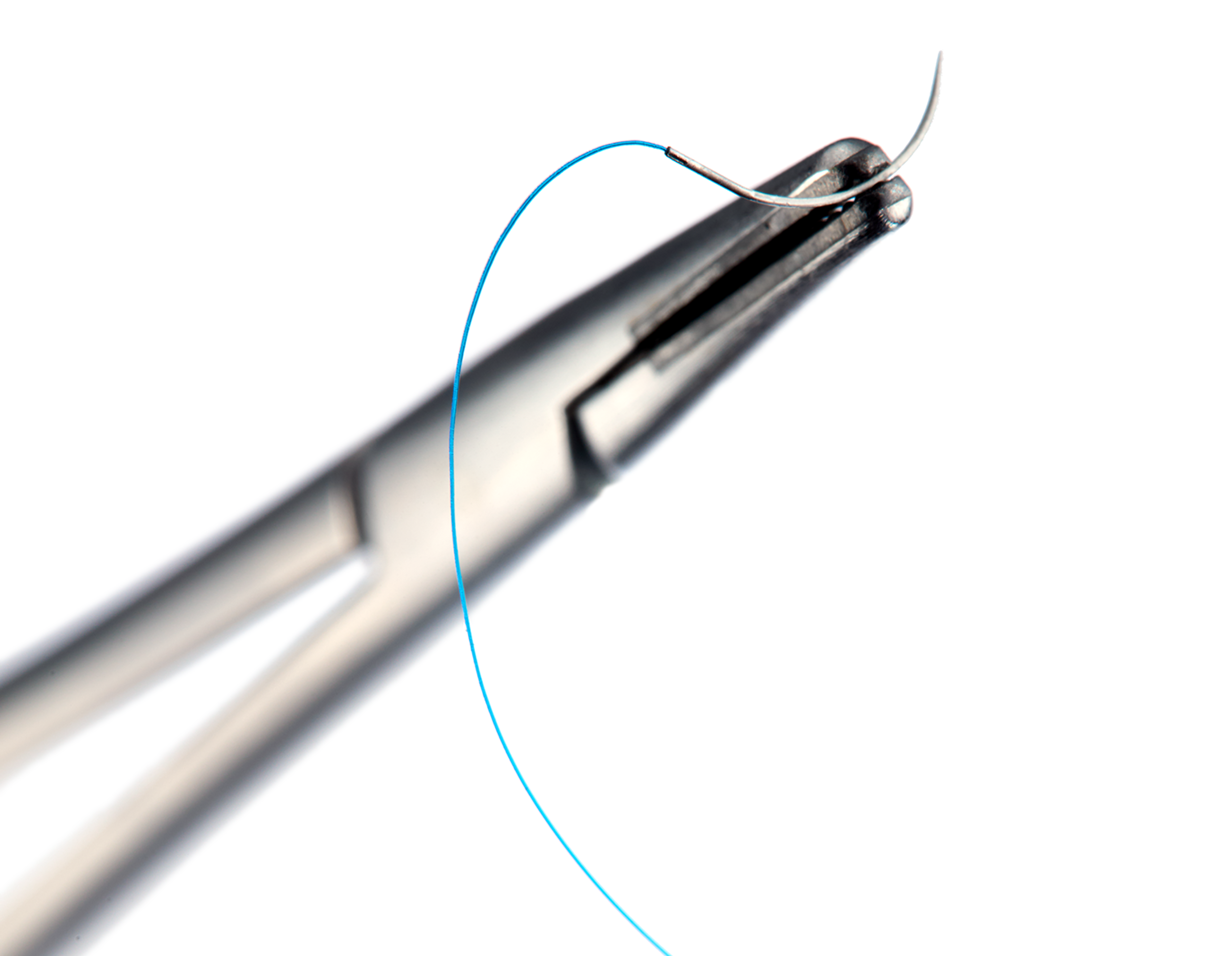
Suture
PROLENE™ Polypropylene Suture
PROLENE™ Sutures (clear or pigmented) are non-absorbable, sterile surgical sutures composed of an isotactic crystalline steroisomer of polypropylene, a synthetic linear polyolefin. The suture is dyed blue to enhance visibility and does not adhere to tissue, making it efficacious to pull out when ready. PROLENE™ Sutures are relatively biologically inert, offering proven strength, reliability, and versatility.1,2
_Suture_(Hero_1).jpg?width=3840&quality=90&format=webp)
Suture
MONOCRYL™ Plus Antibacterial (poliglecaprone 25) Suture
Surgical site infections (SSIs) are the most common type of hospital-acquired infection.1 Part of the Ethicon suture portfolio, MONOCRYL™ Plus Antibacterial Sutures provide the same handling and performance as traditional MONOCRYL™ (Poliglecaprone 25) Sutures while dependably providing antibacterial protection.2-9
Coated with triclosan, these absorbable sutures were associated with nearly 30% reduction in the risk of SSIs.10,11A Backed by the highest level of clinical evidence,8,12-16H these sutures offer an added layer of protection against the most common pathogens associated with SSIs in an in vitro study.2,4,5BC
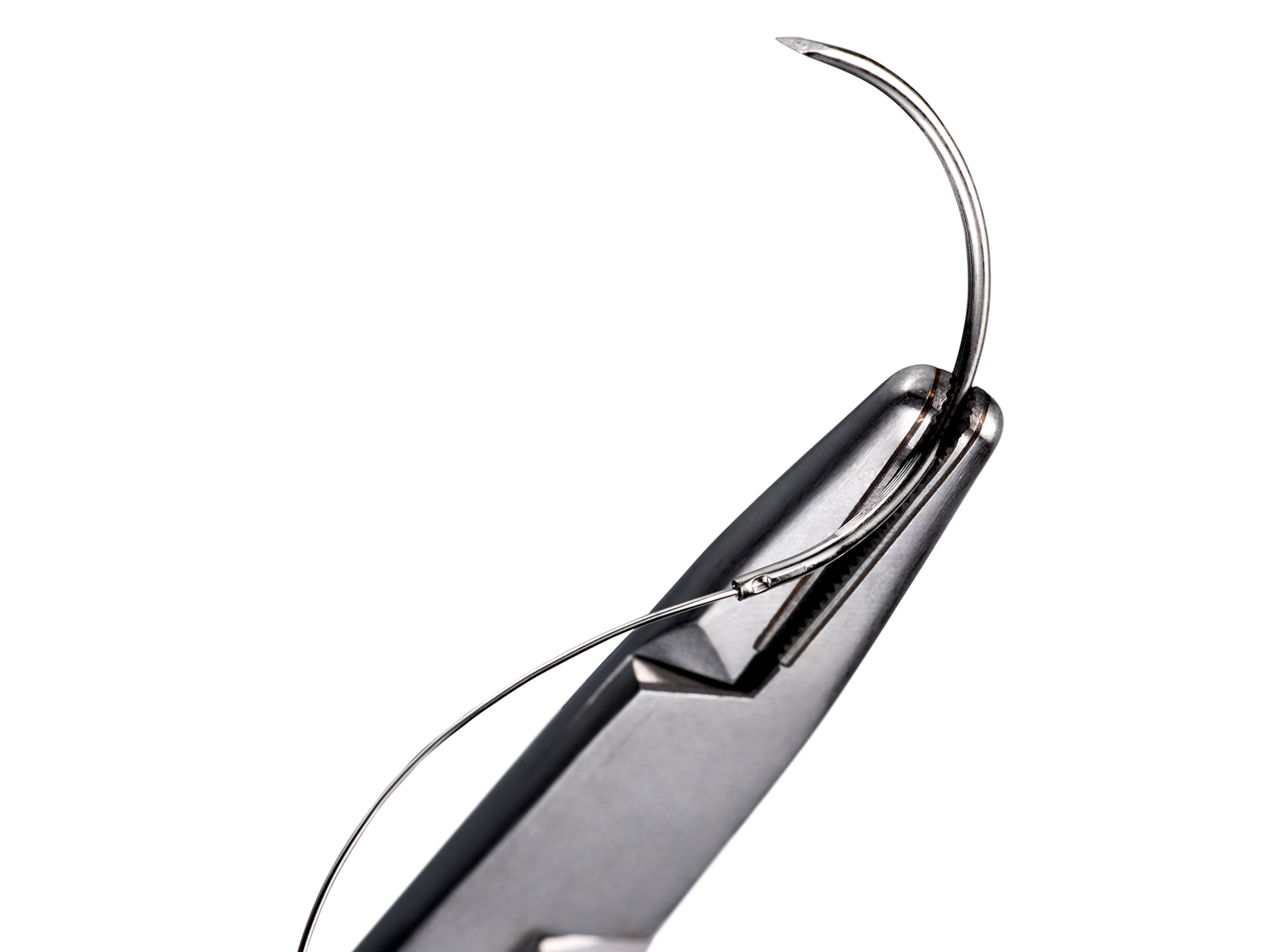
Suture
Surgical Stainless Steel Suture
Surgical Stainless Steel Suture is a nonabsorabable, sterile surgical suture composed of 316L stainless steel. The suture is available as a monofilament and multifilament suture.1.2
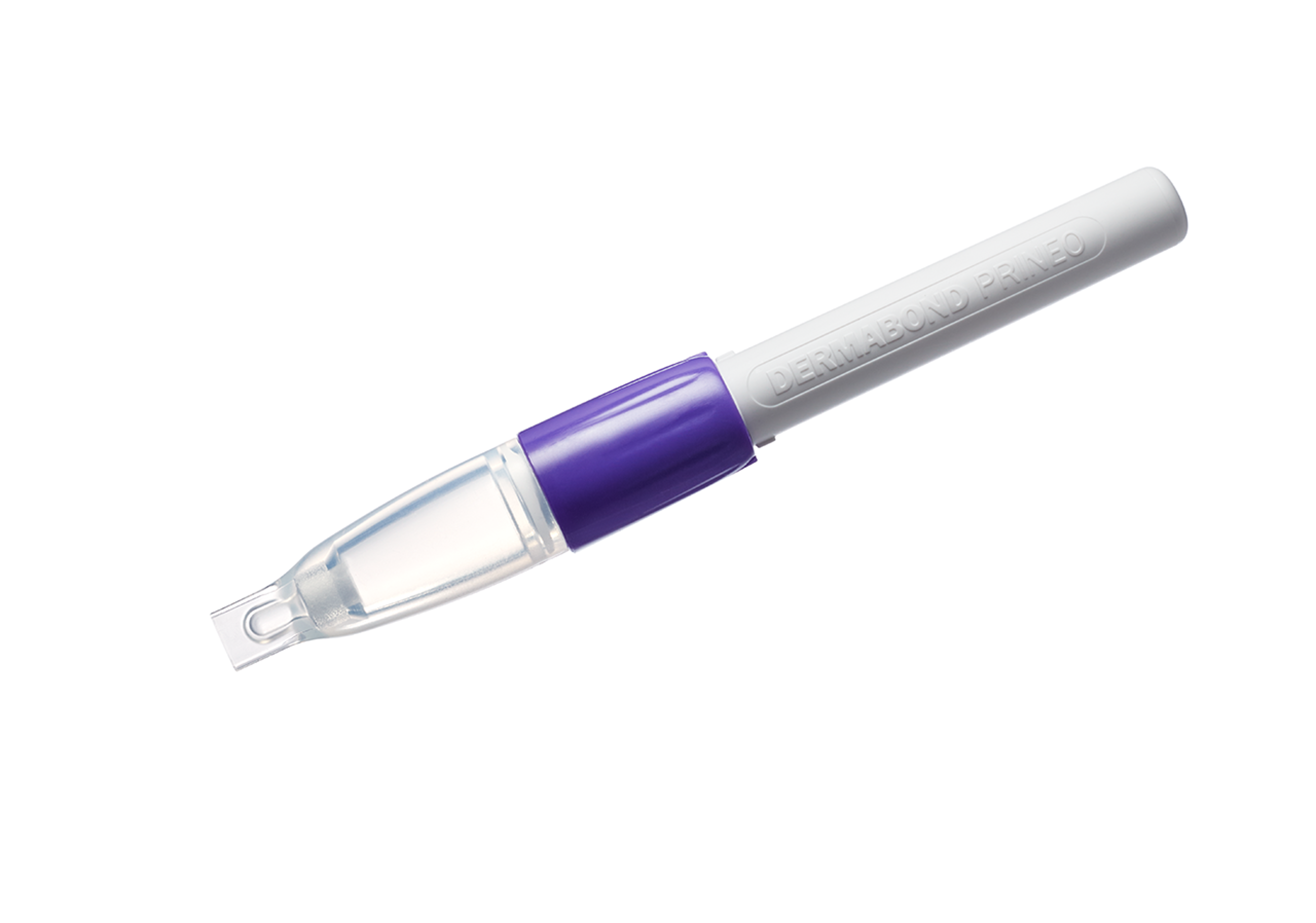
Topical skin adhesive
DERMABOND™ PRINEO™ Skin Closure System
The DERMABOND™ PRINEO™ Skin Closure System offers a powerful, non-invasive alternative to traditional skin sutures and staples. It combines the strength, flexibility, and microbial protection of DERMABOND ADVANCED™ Topical Skin Adhesive with a secure, latex-free, self-adhering mesh to facilitate optimal skin closure and healing.1-7A In a clinical study, the DERMABOND™ PRINEO™ System was associated with a better cosmetic outcome than conventional suturing in skin closure. 8B
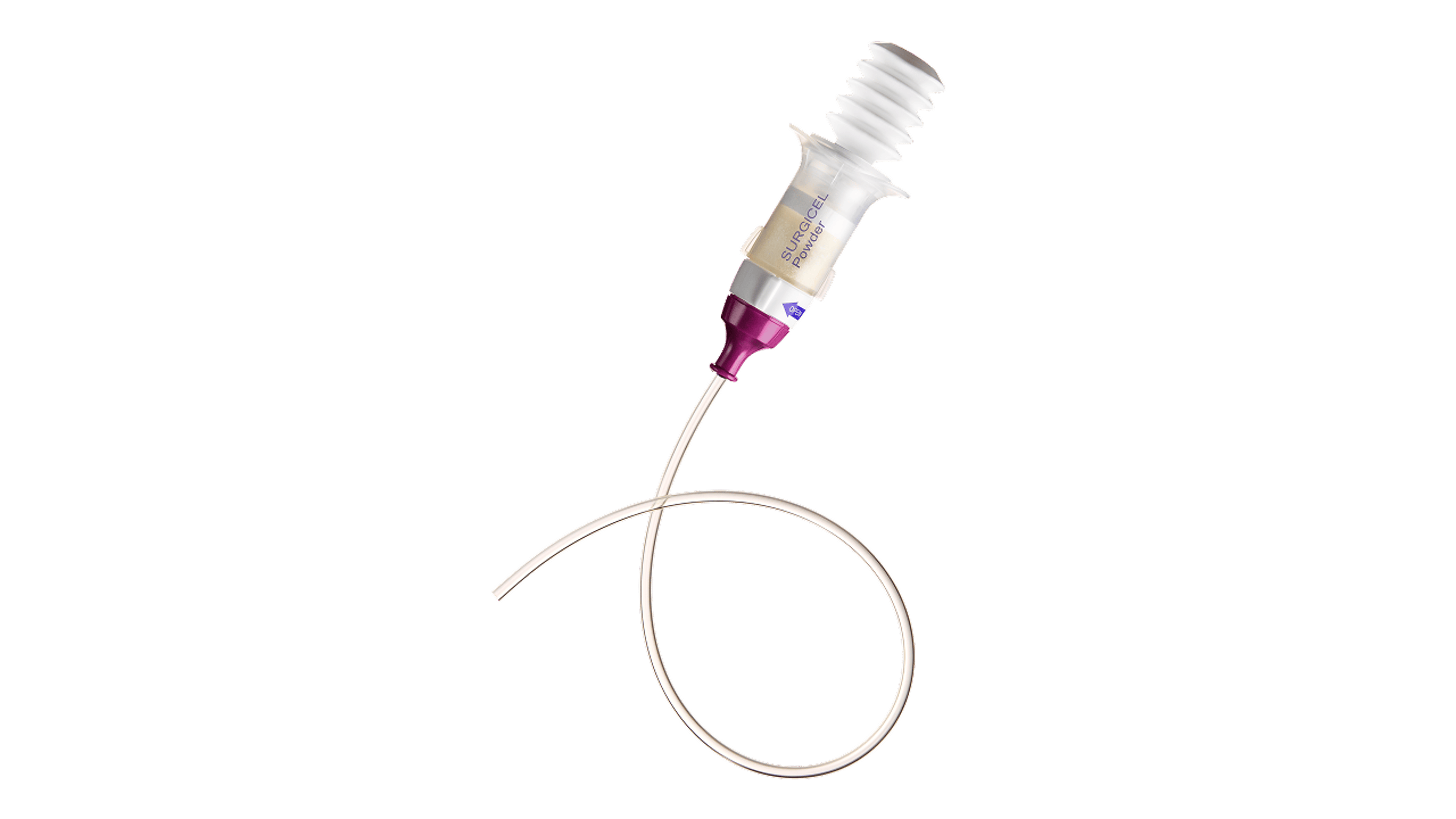
Adjunctive hemostat
SURGICEL™ Powder Absorbable Hemostat
Penetration that gets to the source - for efficient hemostasis in broad-surface bleeds.1,2A SURGICEL™ Powder, the latest in SURGICEL™ innovation, provides a unique, powdered structure that penetrates beyond the surface of a bleed3 - with no prep needed and a ready-to-use application.2 It is proven bactericidal in vitro against a broad range of gram-positive and gram-negative organisms, including various antibiotic-resistant bacteria (MRSA, VRE, PRSP and MRSE).2B
Adjunctive hemostat
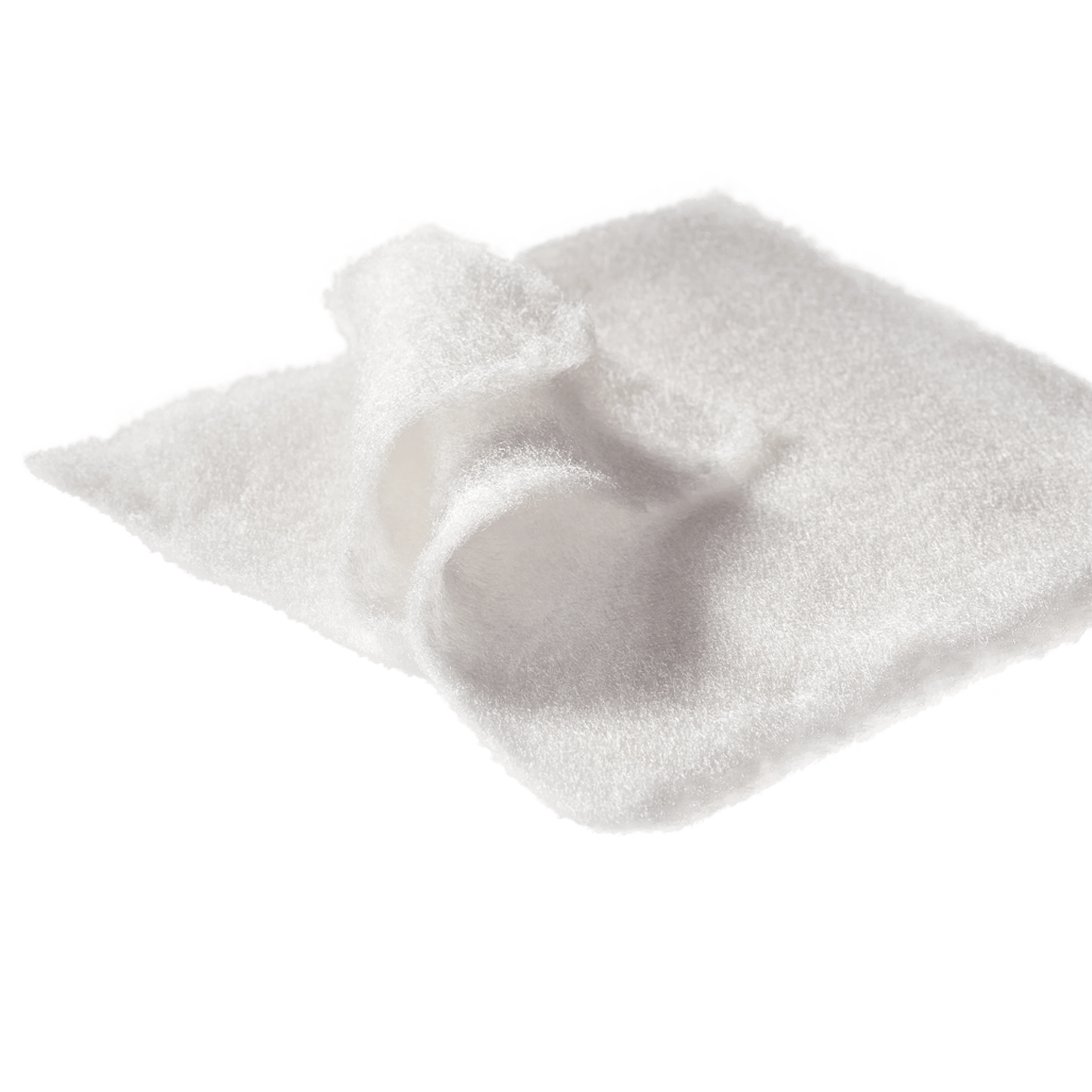
SURGICEL™ FIBRILLAR™ Absorbable Hemostat
Made for continuous oozing in a variety of bleeding sites, this next generation SURGICEL™ FIBRILLAR™ is both lightweight and customizable.1 With non-woven fabric that separates into layers and can be pulled apart and manipulated for precise placement around bleeding sites.2 As part of the SURGICEL™ Family, its bactericidal properties provide additional protection3-14A alongside a variety of sizes.
Barbed suture
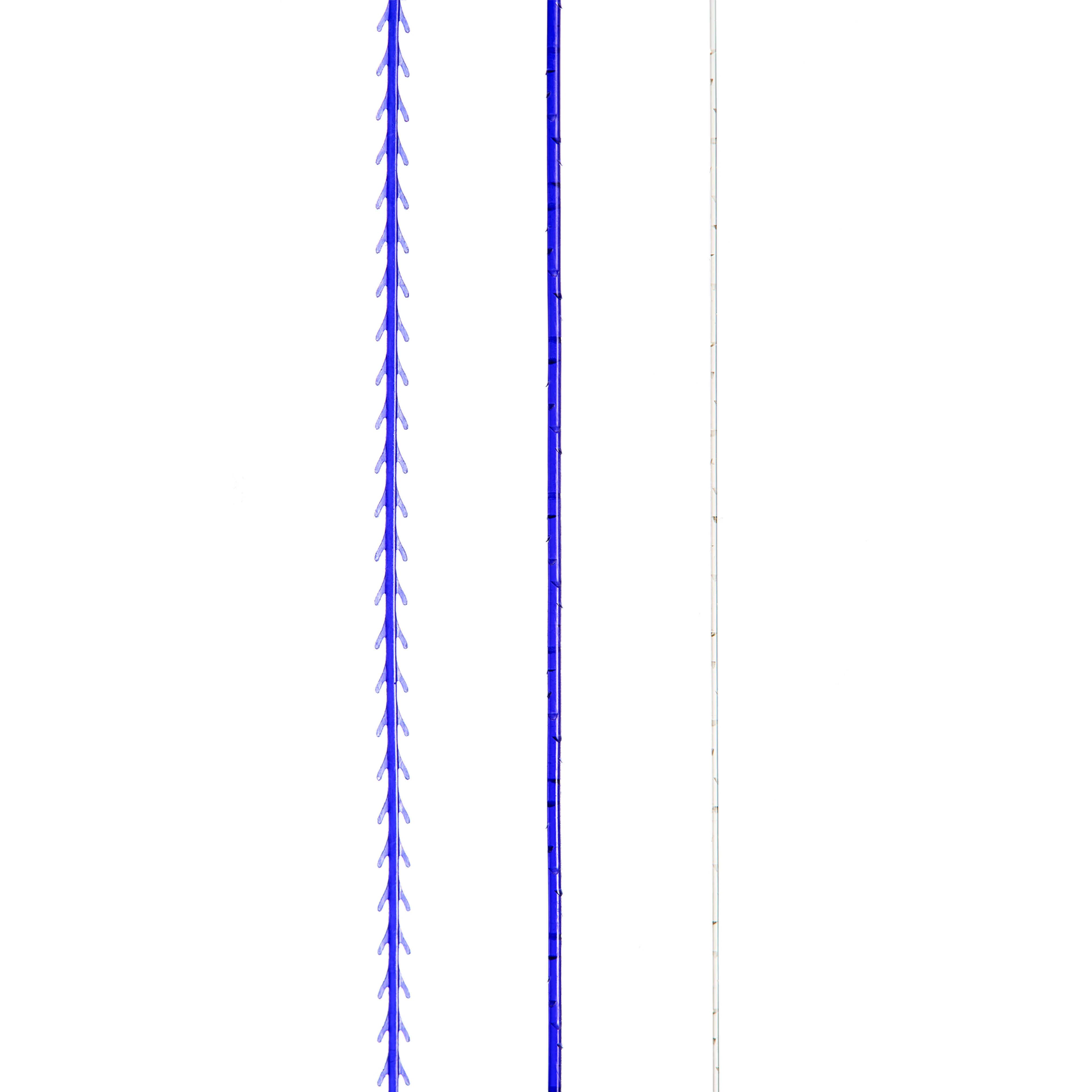
STRATAFIX™ Spiral Knotless Tissue Control Devices
STRATAFIX™ is a portfolio of barbed suture products that offers a variety of barbed structure, polymers, and undirectional and bidirectional designs to accommodate a wide variety of procedures. View device specifications for full portfolio offering.
STRATAFIX™ Spiral Knotless Tissue Control Devices represent the next generation of suturing devices, eliminating the need for knot tying while suturing.1,2 Smooth tissue passage and a secure hold help you control tension and achieve excellent tissue approximation.1,3-8,12 Unlike non-triclosan-coated QUILL™ MONODERM™ and V-Loc™ 90 sutures, STRATAFIX™ has antibacterial protection—shown to inhibit bacterial colonization of the suture in an in vitro test.13,14A
.png?width=3840&quality=90&format=webp)
Barbed suture
STRATAFIX™ Symmetric PDS™ Plus Knotless Tissue Control Device
STRATAFIX™ Portfolio offers a variety of barbed sutures, polymers, and undirectional and bidirectional designs to accommodate a wide variety of procedures. View device specifications for full portfolio offering.
With a unique anchor design, STRATAFIX™ Symmetric PDS™ Plus Knotless Tissue Control Device is the only barbed suture appropriate for high-tension areas, such as fascia.1,2A It is a next generation suture device that eliminates the need for knot-tying or need for an assistant to follow the suture.3,4 In addition, STRATAFIX™ Devices are the only antibacterial barbed suture available worldwide.13B
References
SURGICEL™ Powder Absorbable Hemostat Essential Product Information
INDICATIONS
SURGICEL™ Powder (oxidized regenerated cellulose) is used adjunctively in surgical procedures to assist in the control of capillary, venous, and small arterial hemorrhage when ligation or other conventional methods of control are impractical or ineffective. SURGICEL Powder can also be applied in laparoscopic or other endoscopic procedures when used with the SURGICEL™ Endoscopic Applicator.
The SURGICEL Endoscopic Applicator is intended for use in delivering SURGICEL Powder Absorbable Hemostat to bleeding surgical sites through a 5 mm or larger trocar.
CONTRAINDICATIONS
- Do not inject or place SURGICEL Powder into an open blood vessel. Do not use to treat bleeding from large defects in arteries or veins.
- SURGICEL Powder should not be used to control hemorrhage from large arteries or veins.The SURGICEL Powder and the SURGICEL Endoscopic Applicator devices was not designed for intraluminal procedures.
- When SURGICEL Powder is used to help achieve hemostasis in, around, or in proximity to foramina in bone, areas of bony confine, the spinal cord, or the optic nerve and chiasm, and in proximity to tubular structures that could become constricted by swelling, it must always be removed after hemostasis is achieved since it will swell and could exert unwanted pressure. Unlike other SURGICEL products, SURGICEL Powder cannot be removed from blood clots and complete removal of the device application may disrupt the lot and increase the risk of re-bleeding.
- SURGICEL Powder should not be used for implantation in bone defects, such as fractures, since there is a possibility of interference with callus formation and a theoretical chance of cyst formation.
- SURGICEL Powder should not be used on non-hemorrhagic serous oozing surfaces, since body fluids other than whole blood, such as serum, do not react with SURGICEL Powder to produce satisfactory hemostatic effect.
- SURGICEL Powder is an absorbable hemostat and should not be used as an adhesion prevention product.
WARNINGS
- SURGICEL Powder is not intended for use on dry (non-bleeding) surfaces or for prevention of bleeding.
- SURGICEL Powder and SURGICEL Endoscopic Applicator devices are supplied sterile and as the material is not compatible with autoclaving or ethylene oxide sterilization, SURGICEL Powder and SURGICEL Endoscopic Applicator should not be resterilized.
- SURGICEL Powder is not intended as a substitute for careful surgery and the proper use of sutures and ligatures.
- Closing with SURGICEL Powder in a contaminated wound without drainage may lead to complications and should be avoided.
- The hemostatic effect of SURGICEL Powder is greater when it is applied dry; therefore, it should not be moistened with water or saline prior to application.
- SURGICEL Powder should not be impregnated with anti-infective agents or with other materials such as buffering or hemostatic substance. Its hemostatic effect is not enhanced by the addition of thrombin, the activity of which is destroyed by the low pH of the product.
- Although SURGICEL Powder may be left in situ when necessary, it is recommended to remove excess powder with irrigation and aspiration, without disturbing the clot.
- SURGICEL Powder is dry and there may be difficulties in precise delivery under certain circumstances. Unintentional device placement may result in powder scattering and device migration that may increase the risk of adhesion formation. In preclinical in vivo animal studies it was demonstrated that SURGICEL Powder does not increase the incidence of remote adhesions in laparoscopic procedures.
- Dislodgement of SURGICEL Powder could possibly occur by intraoperative manipulation, lavage, exaggerated respiration, etc. With other SURGICEL products there have been reports that in procedures such as lobectomy, laminectomy, and repair of a frontal skull fracture and lacerated lobe, when the product was left in the patient after closure it migrated from the site of application into foramina in bone around the spinal cord, resulting in paralysis and, in one case, the product migrated into the left orbit of the eye, causing blindness. While these reports cannot be confirmed to be related to SURGICEL products, special care must be taken by physicians, regardless of the type of surgical procedure. Consider removing SURGICEL Powder in these applications (procedures) after hemostasis is achieved.
- SURGICEL Powder should not be used prophylactically in a surgical bed to prevent post-operative bleeding in a confined space such as in a thyroidectomy or adjacent to implanted devices (such as a pacemaker pocket); it has resulted in seroma formation, swelling, infection and compression of critical structures (including nerves).
- Although SURGICEL Powder is bactericidal against a wide range of pathogenic microorganisms, it is not intended as a substitute for systemically administered therapeutic or prophylactic antimicrobial agents to control or to prevent postoperative infections.
- Do not resterilize/reuse. Reuse of this device (or portions of this device) may create a risk of product degradation, which may result in device failure and/or cross-contamination, which may lead to infection or transmission of blood-borne pathogens to patients and users.
- To prevent clogging with the SURGICEL Endoscopic Applicator Tip, do not touch the tip to wet surface. Be careful to avoid damaging tissue with the rigid tip.
- Do not attempt to trim the applicator tip. Replace the tip if it becomes clogged.
- Do not use the SURGICEL Endoscopic Applicator if package is opened or damaged.
PRECAUTIONS
- SURGICEL Powder should not be used in conjunction with autologous blood salvage circuits, because its fragments may pass through the transfusion filters of blood-scavenging systems.
- Use only as much SURGICEL Powder (oxidized regenerated cellulose) as is necessary and apply only where needed for hemostasis. Remove any excess before surgical closure in order to facilitate absorption and to minimize the possibility of foreign body reaction such as encapsulation of the product, which may mimic artifacts on radiographic images, resulting in diagnostic errors and possible reoperation.
- Use minimal amount of SURGICEL Powder required to achieve hemostasis, and remove excess powder in the area of drains to prevent clogging. In urological procedures, minimal amounts of SURGICEL Powder should be used and care must be exercised to prevent plugging of the urethra, ureter, or a catheter by dislodged portions of the product.
- Since absorption of SURGICEL Powder could be prevented in chemically cauterized areas, its use should not be preceded by application of silver nitrate or any other escharotic chemicals.
- If SURGICEL Powder is used temporarily to line the cavity of open wounds, it should be removed by irrigation with sterile water or saline solution after bleeding has stopped.
- Precautions should be taken in otorhinolaryngologic surgery to ensure that none of the material is aspirated by the patient (e.g., controlling hemorrhage after tonsillectomy and controlling epistaxis).
- The applicator tip provided on the SURGICEL Powder device is not intended for laparoscopic or other endoscopic use. If laparoscopic or other endoscopic use is desired, remove the existing applicator tip from the SURGICEL Powder device, and replace with the SURGICEL Endoscopic Applicator tip (supplied separately). In laparoscopic or other endoscopic procedures, SURGICEL Powder should only be applied using the SURGICEL Endoscopic Applicator. Consult the SURGICEL Endoscopic Applicator Instructions for Use (IFU) for proper assembly and directions for use with the SURGICEL Powder device.
- Post-market cases of hypersensitivity reaction including anaphylaxis have been reported in procedures in which SURGICEL Powder was used.
- The SURGICEL Endoscopic Applicator is supplied with a flexible inner tip inside a rigid cannula. The rigid cannula cannot be used independently.
- The SURGICEL Endoscopic Applicator should only be used by persons having adequate training and familiarity with endoscopic techniques. Consult medical literature relative to techniques, complications, and hazards prior to performance of any endoscopic procedure.
- To prevent inadvertent device spillage, or unintended contact with tissue, organs, or blood, maintain visualization of the SURGICEL Endoscopic Applicator tip at all times.
- Do not compress or excessively bend the flexible inner tip of the SURGICEL Endoscopic Applicator which could obstruct the application of the powder. It is possible that the powder accumulated in the applicator could disperse beyond the target bleeding site upon compression of the bellows, which may require additional irrigation and aspiration.
- After use, dispose of the SURGICEL Endoscopic Applicator in accordance with biohazardous material protocol.
ADVERSE REACTIONS
- Paralysis and nerve damage have been reported when other SURGICEL™ products were used around, in, or in proximity to foramina in bone, areas of bony confine, the spinal cord, and/or the optic nerve and chiasm. While most of these reports have been in connection with laminectomy, reports of paralysis and nerve damage have also been received in connection with other procedures such as thyroidectomy. Blindness has been reported in connection with surgical repair of a lacerated left frontal lobe when other SURGICEL products were placed in the anterior cranial fossa (see WARNINGS and PRECAUTIONS).Foreign body reactions, seroma, inflammation, and infection have been reported. There have been reports with other SURGICEL products such as possible prolongation of drainage in cholecystectomies and difficulty passing urine per urethra after prostatectomy, and blocked ureter after kidney resection, in which postoperative catheterization was required.
- Burning has been reported when other SURGICEL products were applied after nasal polyp removal and after hemorrhoidectomy. Headache, burning, stinging, and sneezing in epistaxis and other rhinological procedures, and stinging when SURGICEL product was applied on surface wounds (varicose ulcerations, dermabrasions, and donor sites) have also been reported.
For more information and technical questions, call 1-800-795-0012. For complete information including indications, contraindications, warnings, precautions, adverse reactions, and directions for use, consult the product package insert.
US_ETH_BIOS_109671.2
SURGICEL™ Essential Product Information
INDICATIONS
SURGICEL™ Absorbable Hemostat (oxidized regenerated cellulose) is used adjunctively in surgical procedures to assist in the control of capillary, venous, and small arterial hemorrhage when ligation or other conventional methods of control are impractical or ineffective. SURGICEL™ ORIGINAL, SURGICEL™ FIBRILLAR™, SURGICEL NU-KNIT™, and SURGICEL SNoW™ Hemostats can be cut to size for use in endoscopic procedures.
CONTRAINDICATIONS
- Although packing or wadding sometimes is medically necessary, SURGICEL Absorbable Hemostat should not be used in this manner, unless it is to be removed after hemostasis is achieved (See WARNINGS and PRECAUTIONS).
- SURGICEL Absorbable Hemostat should not be used for implantation in bone defects, such as fractures, since there is a possibility of interference with callus formation and a theoretical chance of cyst formation.
- When SURGICEL Absorbable Hemostat is used to help achieve hemostasis in, around, or in proximity to foramina in bone, areas of bony confine, the spinal cord, or the optic nerve and chiasm, it must always be removed after hemostasis is achieved since it will swell and could exert unwanted pressure.
- SURGICEL Absorbable Hemostat should not be used to control hemorrhage from large arteries.
- SURGICEL Absorbable Hemostat should not be used on non-hemorrhagic serous oozing surfaces, since body fluids other than whole blood, such as serum, do not react with SURGICEL Absorbable Hemostat to produce satisfactory hemostatic effect.
- SURGICEL Absorbable Hemostat is an absorbable hemostat, and should not be used as an adhesion prevention product.
WARNINGS
- SURGICEL Absorbable Hemostat is supplied sterile and as the material is not compatible with autoclaving or ethylene oxide sterilization, SURGICEL Absorbable Hemostat should not be resterilized.
- SURGICEL Absorbable Hemostat is not intended as a substitute for careful surgery and the proper use of sutures and ligatures.
- Closing SURGICEL Absorbable Hemostat in a contaminated wound may lead to complications and should be avoided.
- The hemostatic effect of SURGICEL Absorbable Hemostat is greater when it is applied dry; therefore it should not be moistened with water or saline.
- SURGICEL Absorbable Hemostat should not be impregnated with anti-infective agents or with other materials such as buffering or hemostatic substances. Its hemostatic effect is not enhanced by the addition of thrombin, the activity of which is destroyed by the low pH of the product.
- Although SURGICEL Absorbable Hemostat may be left in situ when necessary, it is advisable to remove it once hemostasis is achieved. It must always be removed from the site of application when used in, around, or in proximity to foramina in bone, areas of bony confine, the spinal cord, and/or the optic nerve and chiasm, and in proximity to tubular structures that could become constricted by swelling, regardless of the type of surgical procedure because SURGICEL Hemostat, by swelling, may exert pressure resulting in paralysis and/or nerve damage. Dislodgement of SURGICEL Absorbable Hemostat could possibly occur by means such as repacking, further intraoperative manipulation, lavage, exaggerated respiration, etc. There have been reports that in procedures such as lobectomy, laminectomy and repair of a frontal skull fracture and lacerated lobe that SURGICEL Absorbable Hemostat, when left in the patient after closure, migrated from the site of application into foramina in bone around the spinal cord resulting in paralysis and, in another case, the left orbit of the eye, causing blindness. While these reports cannot be confirmed, special care must be taken by physicians, regardless of the type of surgical procedure, to consider the advisability of removing SURGICEL Absorbable Hemostat after hemostasis is achieved.
- Although SURGICEL Absorbable Hemostat is bactericidal against a wide range of pathogenic microorganisms, it is not intended as a substitute for systemically administered therapeutic or prophylactic antimicrobial agents to control or prevent post-operative infections.
PRECAUTIONS
- Use only as much SURGICEL Absorbable Hemostat as is necessary for hemostasis, holding it firmly in place until bleeding stops. Remove any excess before surgical closure in order to facilitate absorption and minimize the possibility of foreign body reaction, such as encapsulation of the product, which may mimic artifacts on radiographic images, resulting in diagnostic errors and possible reoperation.
- In urological procedures, minimal amounts of SURGICEL Absorbable Hemostat should be used and care must be exercised to prevent plugging of the urethra, ureter, or a catheter by dislodged portions of the product.
- Since absorption of SURGICEL Absorbable Hemostat could be prevented in chemically cauterized areas, its use should not be preceded by application of silver nitrate or any other escharotic chemicals.
- If SURGICEL Absorbable Hemostat is used temporarily to line the cavity of large open wounds, it should be placed so as not to overlap the skin edges. It should also be removed from open wounds by forceps or by irrigation with sterile water or saline solution after bleeding has stopped.
- Precautions should be taken in otorhinolaryngologic surgery to assure that none of the material is aspirated by the patient. (Examples: controlling hemorrhage after tonsillectomy and controlling epistaxis.)
- Care should be taken not to apply SURGICEL Absorbable Hemostat too tightly when it is used as a wrap during vascular surgery (see ADVERSE REACTIONS).
ADVERSE REACTIONS
- “Encapsulation” of fluid and foreign body reactions have been reported.
- There have been reports of stenotic effect when SURGICEL Absorbable Hemostat has been applied as a wrap during vascular surgery. Although it has been established that the stenosis was directly related to the use of SURGICEL Absorbable Hemostat, it is important to be cautious and avoid applying the material tightly as a wrapping.
- Paralysis and nerve damage have been reported when SURGICEL Absorbable Hemostat was used around, in, or in proximity to foramina in bone, areas of bony confine, the spinal cord, and/or the optic nerve and chiasm. While most of these reports have been in connection with laminectomy, reports of paralysis and nerve damage have also been received in connection with other procedures such as thyroidectomy. Blindness has been reported in connection with surgical repair of a lacerated left frontal lobe when SURGICEL Absorbable Hemostat was placed in the anterior cranial fossa (See WARNINGS and PRECAUTIONS).
- Possible prolongation of drainage in cholecystectomies and difficulty passing urine per urethra after prostatectomy have been reported. There has been one report of a blocked ureter after kidney resection, in which postoperative catheterization was required.
- Occasional reports of “burning” and “stinging” sensations and sneezing when SURGICEL Absorbable Hemostat has been used as packing in epistaxis, are believed to be due to the low pH of the product.
- Burning has been reported when SURGICEL products were applied after nasal polyp removal and hemorrhoidectomy. Headache, burning, stinging, and sneezing in epistaxis and other rhinological procedures, and stinging when SURGICEL Absorbable Hemostat was applied on surface wounds (varicose ulcerations, dermabrasions, and donor sites) have also been reported.
For more information, call 1-800-795-0012. For complete product information including indications, contraindications, warnings, precautions, and adverse reactions, and directions for use, please consult the product package inserts.
US_ETH_BIOS_109987.2
Arthur Thomas Martella, MD prepared this procedure guide on behalf of Johnson & Johnson and its affiliates. The procedure guide reflects the opinions of the individual presenter, and the steps described may not encompass the complete steps of the procedure. Additionally, other surgeons may prefer different techniques, approaches, etc., as individual surgeon experience in his/her clinical practice, as well as patient needs, may dictate variation in procedure steps.
Before using any medical device, review all labeling, including without limitation; the Instructions For Use (IFU), and relevant package inserts with particular attention to the indications, contraindications, warnings and precautions, and steps for use of the device(s).
This presentation is not accredited for CE/CME.
Arthur Thomas Martella, MD is compensated by and presenting on behalf of Johnson & Johnson and its affiliates and must present information in accordance with applicable regulatory requirements.
US_SRG_WOUN_117946.1