DERMABOND ADVANCED™ Topical Skin Adhesive
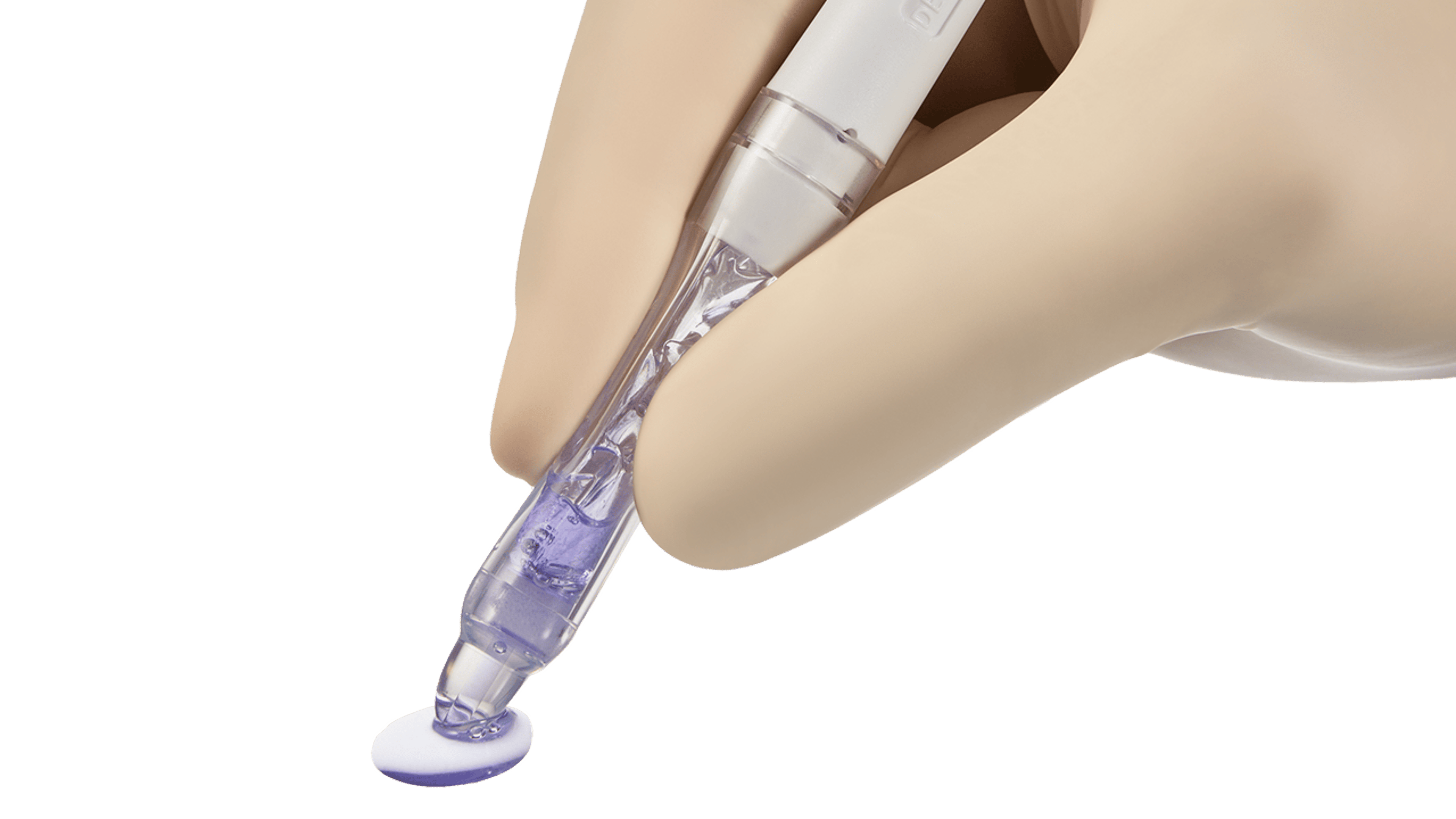
DERMABOND ADVANCED™ Topical Skin Adhesive holds wound edges together following surgical incisions and lacerations.¹ It provides a microbial barrier with 99% effectiveness for 72 hours in vitro.2A Patients also benefit from significantly improved comfort and satisfaction when compared to sutured closures.3,4B
.png?width=3840&quality=90&format=webp)
About this device
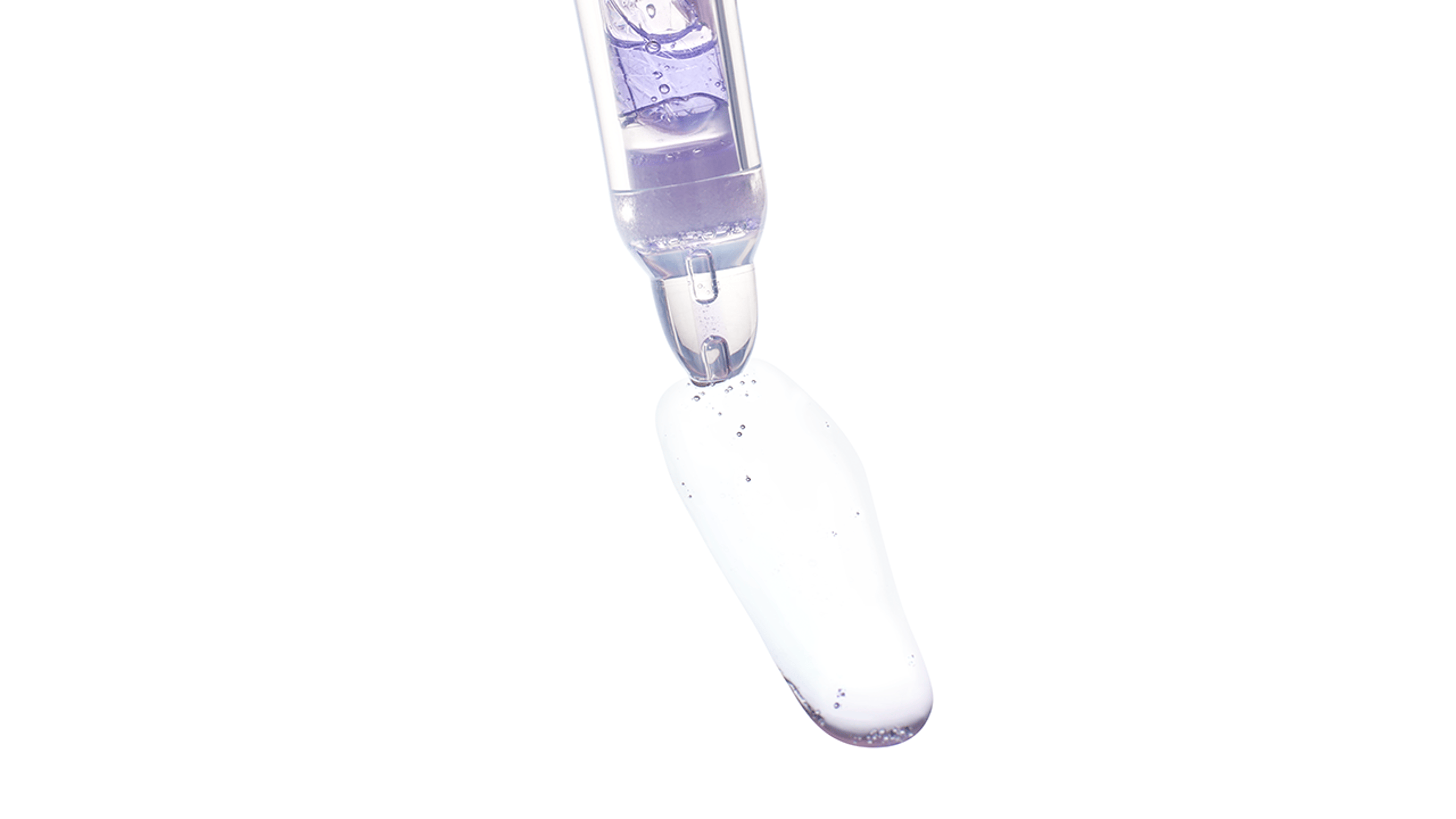
DERMABOND ADVANCED™ has a unique formulation that provides a strong, flexible skin closure plus microbial barrier protection.5,6 It allows for improved control during application due to its ergonomic design and high viscosity. Designed for both wide and fine applications, it polymerizes within minutes and stays securely in place, creating a protective barrier that naturally sloughs off within 5-10 days.1
Specialties
GYN, Thoracic
Procedures
C-Section, Lobectomy
Economic benefits
In retrospective analyses, DERMABOND ADVANCED™ was associated with:
- 25% reduction in length of stay for sternal closure patients in cardiac surgery7C
- $500 reduction in total Ceasarean hospital costs when compared to staples and sutures8DE
Clinical outcomes
In a randomized trial comparing topical skin adhesives and sutures in the management of lacerations, DERMABOND™ Adhesive was associated with9:
- Shorter procedure time (3.6 minutes vs. 12.4 minutes; P <0.001)
- Less patient pain (visual analog pain scores, 7.2 mm vs. 18.0 mm; P<0.001)
Features & benefits
.png?width=3840&quality=90&format=webp)
Protection
99% effective microbial barrier protection - proven through 72 hours in vitro against organisms commonly responsible for SSIs, including Staphylococcus epidermidis, Escherichia coli, Staphylococcus aureus, Pseudomonas aeruginosa, and Enterococcus faecium.10A
.png?width=3840&quality=90&format=webp)
Patient satisfaction
Leads to excellent cosmetic appearance and improved patient satisfaction.11F Surgeons and patients reported superior cosmetic outcomes with DERMABOND ADVANCED™ Topical Skin Adhesive at 1 week.11F
.png?width=3840&quality=90&format=webp)
No removal required
The patient does not need to return visit for staple or suture removal— sloughs off naturally within 5-10 days.1 DERMABOND ADVANCED™ Topical Skin Adhesive was an ideal, feasible, and safe solution for minimally invasive surgery.12G
Learn how to use this device
Supporting documentation
Related products
DERMABOND™ PRINEO™ Skin Closure System
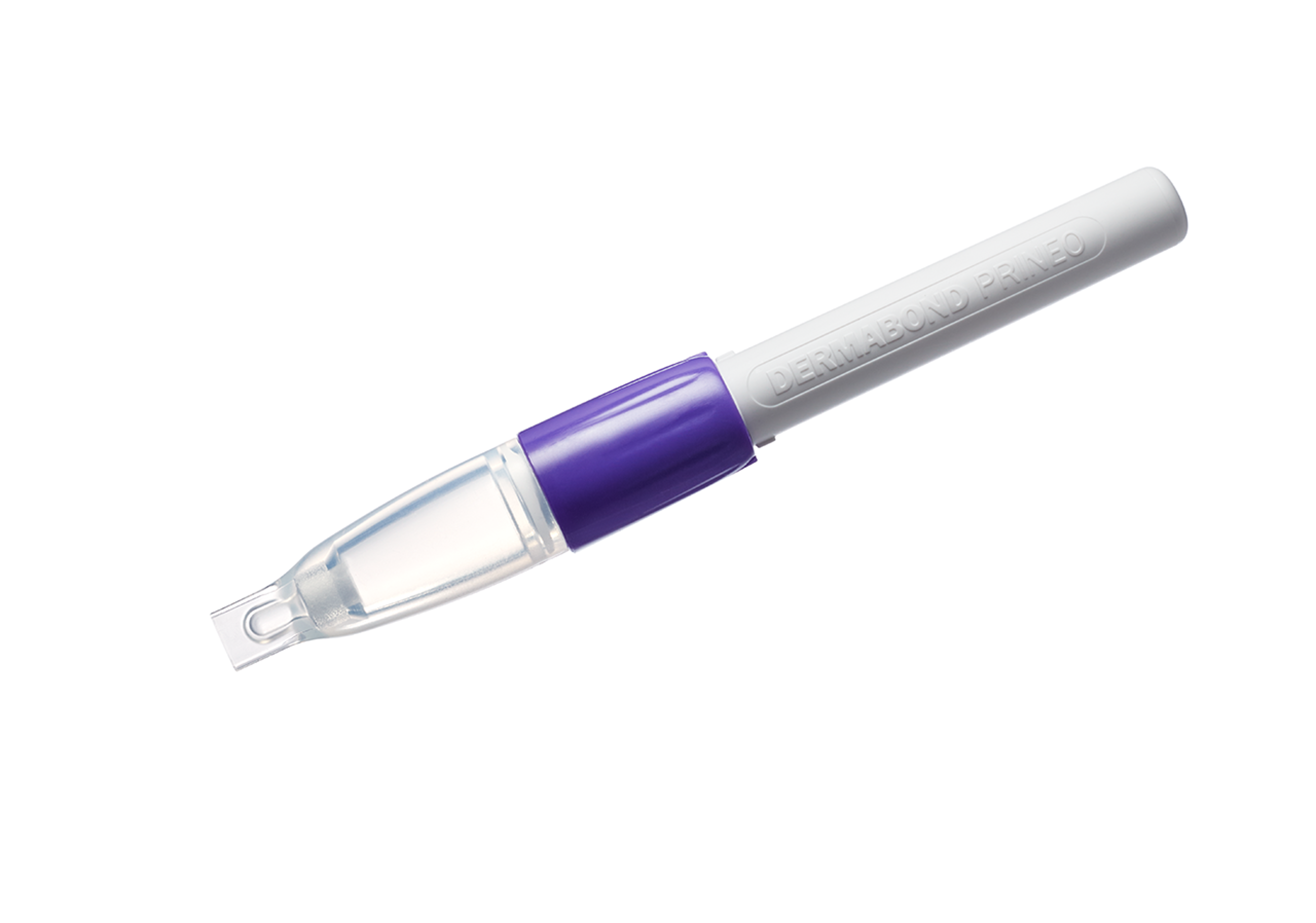
The DERMABOND™ PRINEO™ Skin Closure System offers a powerful, non-invasive alternative to traditional skin sutures and staples. It offers strong, protected closure for optimal wound healing1-3 and protects against bacteria penetration.1A-C In a clinical study, the DERMABOND™ PRINEO™ System was associated with a better cosmetic outcome than conventional suturing in skin closure.4D
References
A. Clinical significance unknown.
B. Patients experienced significantly greater comfort with DERMABOND ADVANCED Adhesive at 6 weeks (P < 0.05) and 6 months (P < 0.01). In a similar retrospective study of 670 patients, patient comfort and satisfaction were also superior with DERMABOND ADVANCED Adhesive.
C. In a retrospective study of 860 patients vs conventional sutures. Postoperative hospital stay was reduced from 13 days to 9 days (P<0.001).
D. In a retrospective database study of 155,557 C-Sections.
E. Premier Perspective™ Comparative Database.
F. Prospective, randomized study of minimally invasive vein harvest closure in 106 patients.
G. In a retrospective study of 429 patients who underwent minimally invasive surgery for colorectal cancer, skin adhesive was used for wound closure in 284 cases, while skin stapling was used in 208 cases.
- DERMABOND ADVANCED™ Topical Skin Adhesive Instructions for Use. Ethicon, Inc.
- Bhende S, Rothenburger S, Spangler DJ, Dito M. In vitro assessment of microbial barrier properties of DERMABOND® Topical Skin Adhesive. Surg Infect (Larchmt). 2002;3(3):251-257.
- Nipshagen MD, Hage JJ, Beekman WH. Use of 2‐octyl‐ cyanoacrylate skin adhesive (DERMABOND™) for wound closure following reduction mammaplasty: a prospective, randomized intervention study. Plast Reconstr Surg. 2008;122(1):10‐18.
- Scott GR, Carson CL, Borah GL. Dermabond skin closures for bilateral reduction mammaplasties: a review of 255 consecutive cases. Plast Reconstr Surg. 2007;120(6):1460‐ 1465.
- Singer AJ, Perry LC, Allen RL. In v iv o study of wound-bursting strength and compliance of topical skin adhesives. Acad Emerg Med. 2008;15(12):1290-1294.
- Keplinger, S. Comparison of setting times of topical skin adhesive products. Report 11TR053. August 16, 2011. Ethicon, Inc. Annotation> Dermabond uses a chemical initiation system
- Souza EC, FitaroniRB, JanuzelliDM, et al. Use of 2-octylcyanoacrylate for skin closure of sternal incisions in cardiac surgery : observations of microbial barrier effects. CurrMed Res Opin. 2008;24(1):151-155.
- Murrmann SG, Markowitz JS, Gutterman EM, Magee G. Health and economic outcomes after OBGY N surgery : a comparison of skin closure techniques. Poster presentation at 2008 Annual Clinical Meeting of The American College of Obstetricians and Gynecologists; May 37, 2008; New Orleans, LA
- Quinn J, Wells G, Sutcliffe T, et al. A randomized trial comparing octylcyanoacrylate tissue adhesive and sutures in the management of lacerations. JAMA. 1997;277(19):1527‐ 1530.
- Su W. Study Report for in vitro evaluation of microbial barrier properties of Dermabond® Protape. 06TR071. December 4, 2006. Ethicon, Inc.
- Krishnamoorthy B, Najam O, Khan UA, et al. Randomized prospective study comparing conventional subcuticular skin closure with DERMABOND™ skin glue after saphenous vein harvesting. Ann Thorac Surg. 2009;88(5):1445-1449.
- Lee CS, Han SR, Kye BH, et al. Surgical skin adhesive bond is safe and feasible wound closure method to reduce surgical site infection following minimally invasive colorectal cancer surgery. Ann Surg Treat Res. 2020;99(3):146-152. doi:10.4174/astr.2020.99.3.146
For complete indications, contraindications, warnings, precautions, and adverse reactions, please reference full package insert.
The third-party trademarks used herein are trademarks of their respective owners.
US_SRG_WOUN_129085.2