PDS™ Plus Antibacterial (polydioxanone) Suture
Surgical site infections (SSIs) are the most common type of hospital-acquired infection.1 Part of the Ethicon suture portfolio, PDS™ Plus Antibacterial Sutures provide the same handling and performance as traditional PDS™ (Polydioxanone) Sutures while dependably providing antibacterial protection.2-9
Coated with triclosan, these absorbable sutures were associated with nearly 30% reduction in the risk of SSIs.10,11A Backed by the highest level of clinical evidence,8,12-16H these sutures offer an added layer of protection against the most common pathogens associated with SSIs in an in vitro study.2,4,5C
.png?width=3840&quality=90&format=webp)

About this device
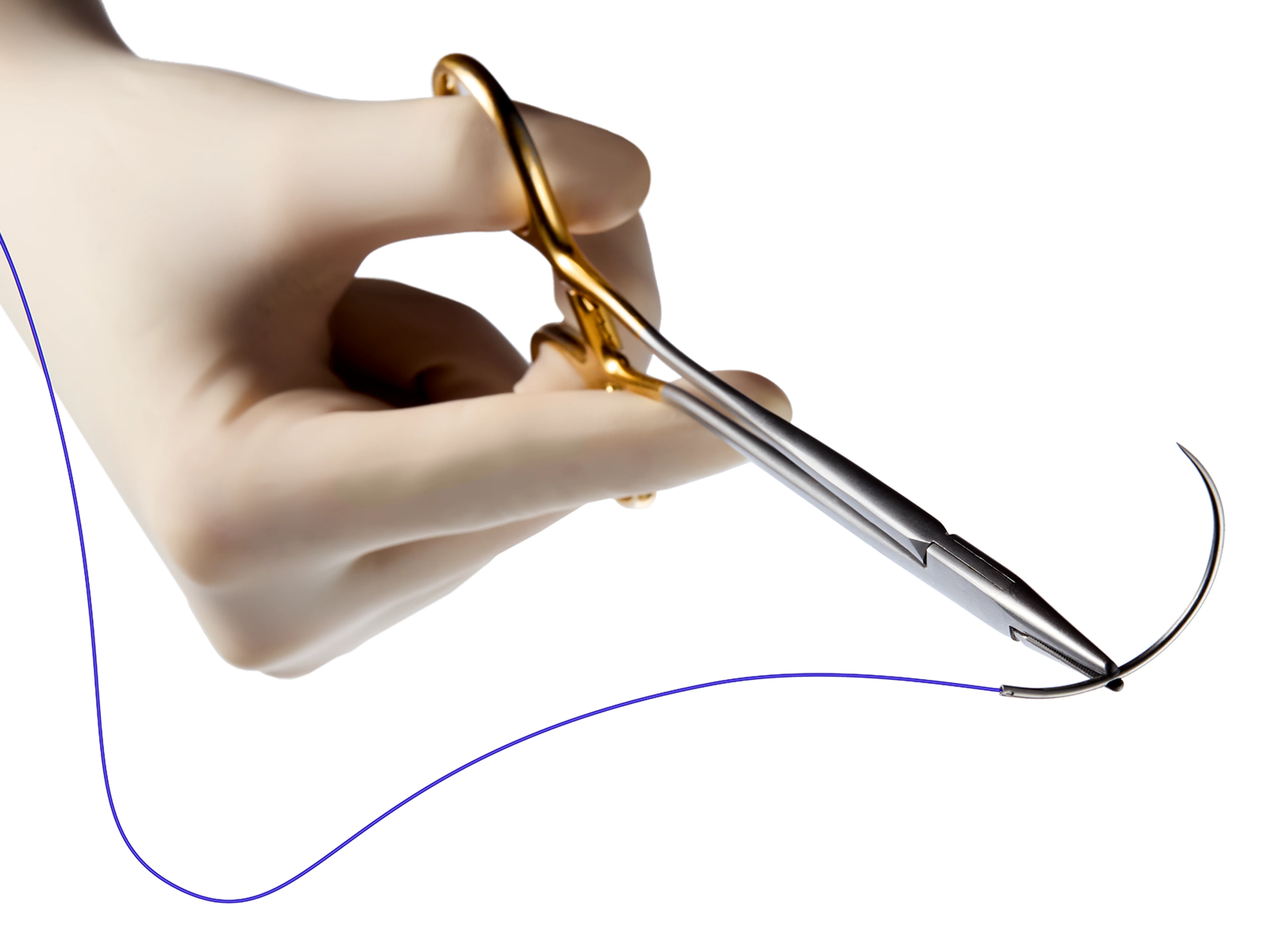
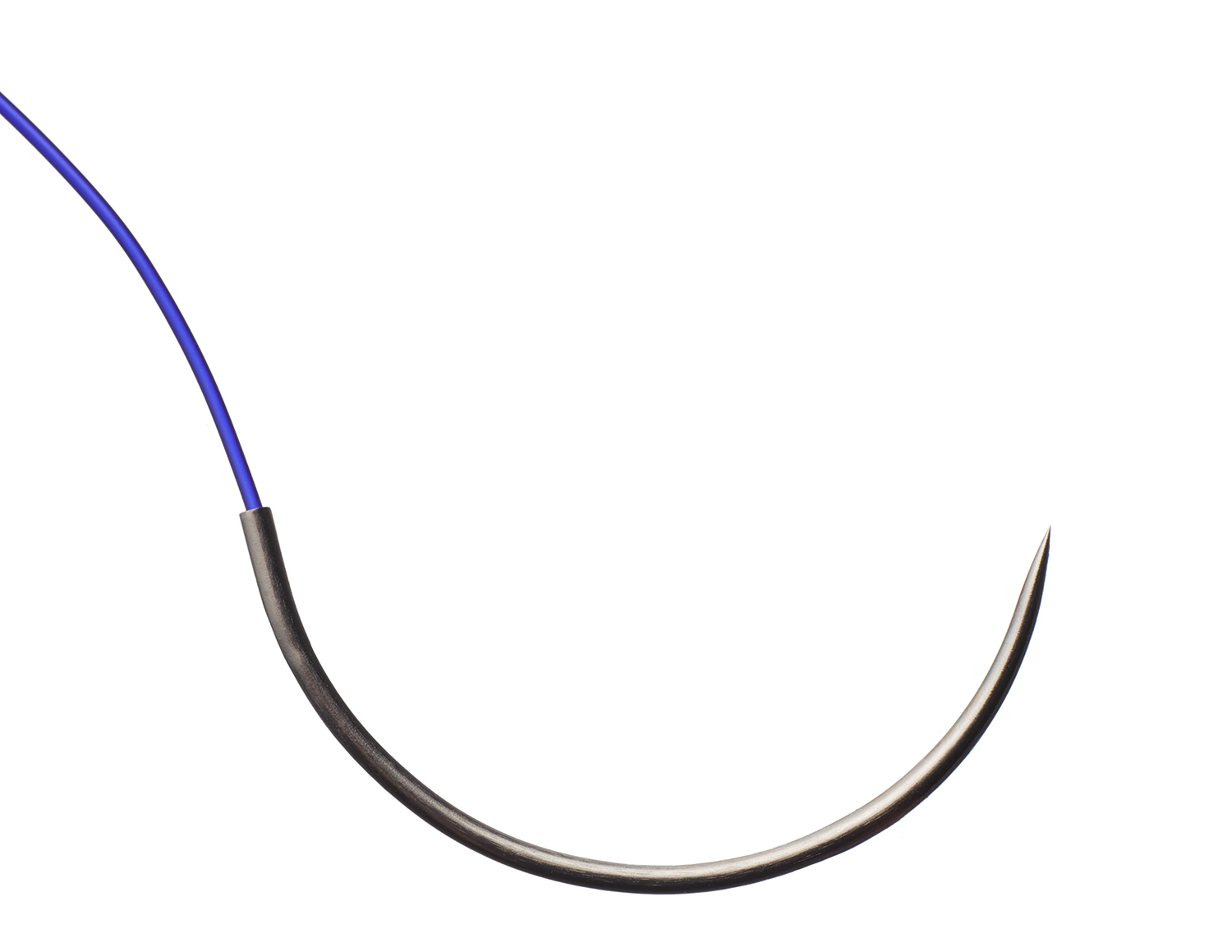
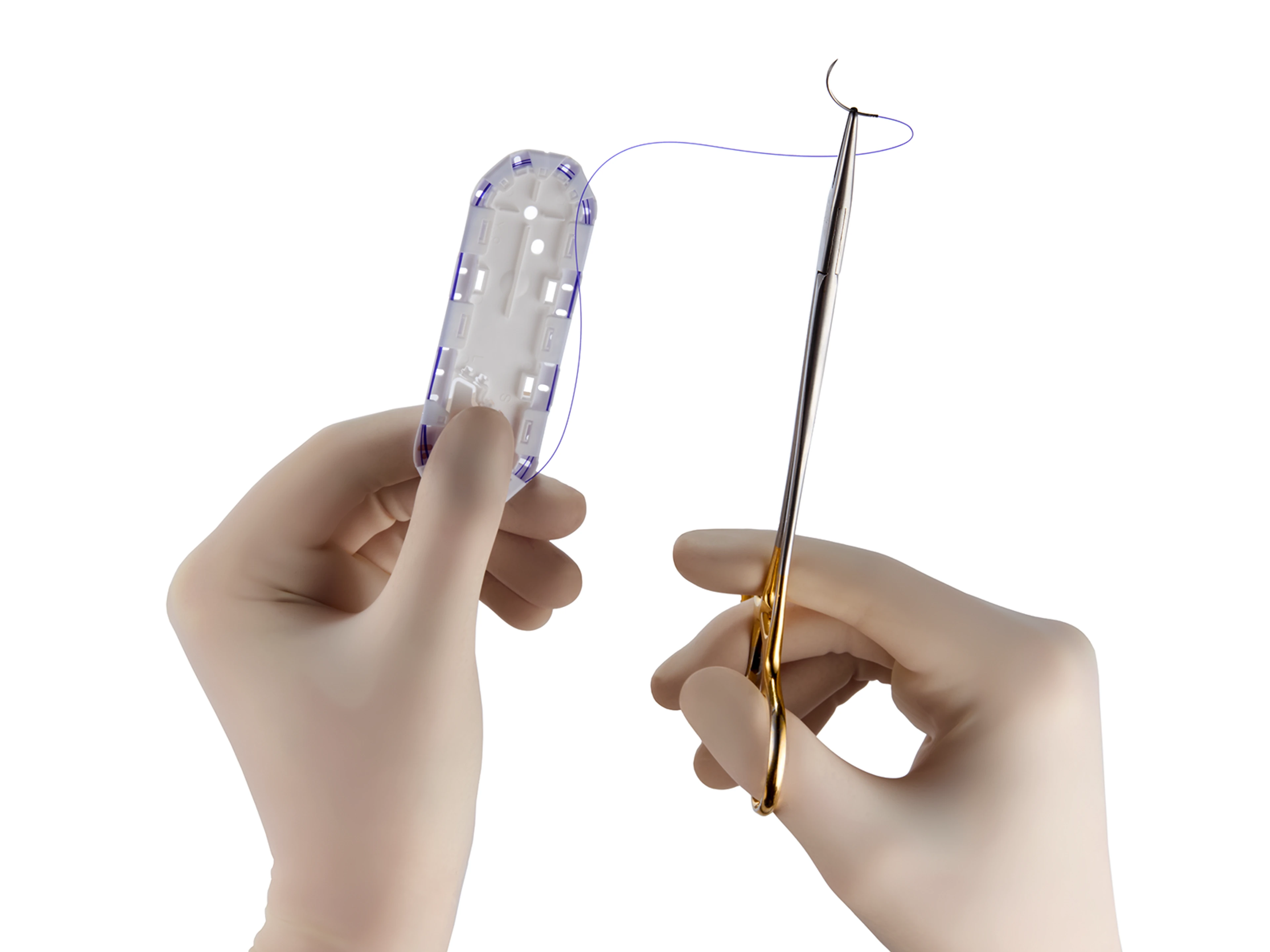
PDS™ Plus Sutures are synthetic, absorbable, braided sutures composed of polydioxanone and coated with triclosan,17 an antibacterial agent that helps prevent biofilm formation and inhibits bacterial colonization on the suture surface.18,19 They are suitable for closing various tissue layers, including the peritoneum, fascia, and skin. Available in a range of sizes and configurations, these sutures are absorbed by hydrolysis and fully absorbed within approximately 182 to 238 days.17
Economic evidence
With a single SSI costing up to $39,00020,21D - Plus Sutures are a cost-effective part of the WHO-recommended SSI-prevention care bundle.8,21,22E
To support SSI-related cost savings, a retrospective observational analysis was completed that evaluated over 100,000 patients who underwent colorectal surgery from 2014-2018. Incidence of SSI’s 6-months post-op with traditional sutures were around 24% for superficial SSIs.23
In the same peer-reviewed economic analysis, the use of triclosan coated sutures projected SSI-related savings were around $809-$1170 per patient.23FG
Clinical evidence
Ethicon Plus Antibacterial Sutures were associated with a nearly 30% reduction of SSI risk in 31 RCTs with over 14,000 patients.10,11A Ethicon Plus Antibacterial Sutures are supported by the highest level of clinical evidence (1A) and by health authorities around the world.8,12-16H The National Institute for Health and Care Excellence (NICE) specifically recommends Plus Sutures as part of a care bundle for reducing SSI risk.24
Plus Antibacterial Sutures are supported by a wide range of evidence showing:5,7,25,26
- Inhibition of of gram-positive and gram-negative bacteria
- Excellent physical handling properties
- Safety and biocompatibility of the triclosan used
Features & benefits
_Suture_(F&B_1).png?width=3840&quality=90&format=webp)
Unmatched quality
PDS™ Plus Antibacterial Suture offers the same trusted performance, handling, and construction as PDS™ II (Polydioxanone) Suture.2-9 In vivo testing by surgeons confirms its consistent excellence in both performance and handling.27
_Suture_(F&B_2).png?width=3840&quality=90&format=webp)
Lasting protection
With effective triclosan coating on each strand, PDS™ Plus Antibacterial Suture inhibited bacterial colonization for 17 and 23 days when tested against Escherichia coli (E. coli) and Staphylococcus aureus (S. aureus), respectively, as shown in vitro.4
_Suture_(F&B_3).png?width=3840&quality=90&format=webp)
Premium needles
PDS™ Plus Antibacterial Sutures are available with a comprehensive range of high-quality surgical needles designed to meet the demands of various tissue types and surgical techniques. Each needle is engineered for precision, strength, and reliable performance—enhancing the handling characteristics of the suture itself.27
Supporting documentation
Related products
_Suture_(Hero_1).jpg?width=3840&quality=90&format=webp)
MONOCRYL™ Plus Antibacterial (poliglecaprone 25) Suture
Surgical site infections (SSIs) are the most common type of hospital-acquired infection.1 Part of the Ethicon suture portfolio, MONOCRYL™ Plus Antibacterial Sutures provide the same handling and performance as traditional MONOCRYL™ (Poliglecaprone 25) Sutures while dependably providing antibacterial protection.2-9
Coated with triclosan, these absorbable sutures were associated with nearly 30% reduction in the risk of SSIs.10,11A Backed by the highest level of clinical evidence,8,12-16H these sutures offer an added layer of protection against the most common pathogens associated with SSIs in an in vitro study.2,4,5BC
Coated VICRYL™ Plus Antibacterial (Polyglactin 910) Suture
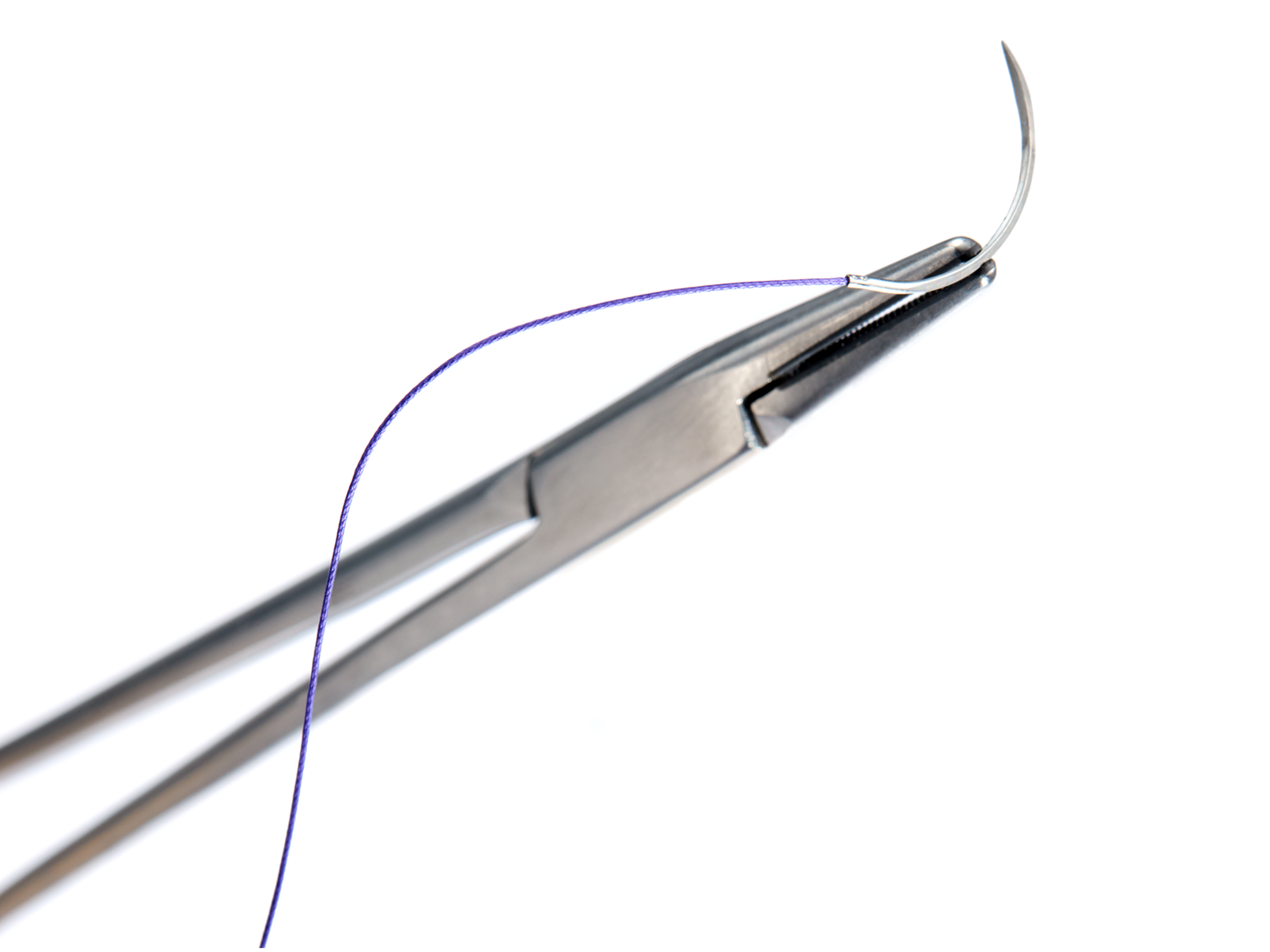
Surgical site infections (SSIs) are the most common type of hospital-acquired infection.1 Part of the Ethicon suture portfolio, Coated VICRYL™ Plus Antibacterial Sutures provide the same handling and performance as traditional Coated VICRYL™ (polyglactin 910) Sutures while dependably providing antibacterial protection.2-9
Coated with triclosan, these absorbable sutures were associated with nearly 30% reduction in the risk of SSIs10,11A Backed by the highest level of clinical evidence,8,12-16H these sutures offer an added layer of protection against the most common pathogens associated with SSIs in an in vitro study.2,4,5BC

STRATAFIX™ Spiral Barbed Suture
STRATAFIX™ is a portfolio of Barbed Suture products that offers a variety of barbed structure, polymers, and unidirectional and bidirectional designs to accommodate a wide variety of procedures. View device specifications for full portfolio offering.
STRATAFIX™ Spiral Barbed Suture represent the next generation of suturing devices, eliminating the need for knot tying while suturing.1,2 Fixating barbs allows you to maintain tension on each pass for more security, consistency, and efficiency than traditional sutures.3-11 Smooth tissue passage and a secure hold help you control tension and achieve excellent tissue approximation.1,3-8,12 Unlike non-triclosan-coated QUILL™ MONODERM™ and V-Loc™ 90 sutures, STRATAFIX™ has antibacterial protection—shown to inhibit bacterial colonization of the suture in an in vitro test.13,14A
.png?width=3840&quality=90&format=webp)
STRATAFIX™ Symmetric PDS™ Plus Knotless Tissue Control Device
STRATAFIX™ Portfolio offers a variety of barbed sutures, polymers, and undirectional and bidirectional designs to accommodate a wide variety of procedures. View device specifications for full portfolio offering.
With a unique anchor design, STRATAFIX™ Symmetric PDS™ Plus Knotless Tissue Control Device is the only barbed suture appropriate for high-tension areas, such as fascia.1,2A The barbs are uniquely designed and provide maximum holding in soft tissue where PDS™ Plus Suture is commonly used, including in high tension areas such as abdominal wall fascia, knee extensor mechanism fascia during a total knee replacement, deep hip fascia used during a total hip replacement, deep lumbar fascia during spine surgery, closure of mini-laparotomy incisions in patients with BMI less than 30 kg/m², and ventral hernia fascial closure with mesh.3 It is a next generation suture device that eliminates the need for knot-tying or need for an assistant to follow the suture.4,5 In addition, STRATAFIX™ Devices are the only antibacterial barbed suture available worldwide.6B
References
A. Source: National Institute for Health and Care Excellence. Plus Sutures for preventing surgical site infection. Medical technologies guidance [MTG59]. June 28, 2021.
B. S aureus, S epidermidis, MRSA, MRSE, E coli, K pneumoniae, E cloacae.
C. E cloacae for PDS™ Plus Antibacterial (polydioxanone) Suture and MONOCRYL™ Plus Antibacterial (poliglecaprone 25) Suture only.
D. As shown in coronary artery bypass surgery.
E. Assuming 10 or fewer strands used per surgical case.
F. Median costs estimated to be avoided per patient by commercial payers were $809 (95% CI, $26–$4481) for deep incisional SSIs and $1170 (95% CI, $146–$4884) for superficial and deep incisional SSIs.
G. Over 12 months as projected in a peer-reviewed economic analysis.
H. CDC, WHO, ACS/SIS, NICE, and KRINKO guidelines on reducing the risk of surgical site infections are general to triclosan-coated sutures and are not specific to any one brand.
- Ahmed, I., Boulton, A. J., Rizvi, S., Carlos, W., Dickenson, E., Smith, N., & Reed, M. 2019. The use of triclosan-coated sutures to prevent surgical site infections: A systematic review and meta-analysis of the literature. BMJ Open, 9(9).
- Ming X, Rothenburger S, Yang D. In vitro antibacterial efficacy of MONOCRYL Plus Antibacterial Suture (Poliglecaprone 25 with triclosan). Surg Infect (Larchmt). 2007;8(2):201-207
- Ming X, Nichols MM, Rothenburger S. In Vivo Antibacterial Efficacy of MONOCRYL Plus Antibacterial (Poliglecaprone 25 with Triclosan) Suture. Surg Infect (Larchmt). 2007; 8(2):1-5
- Ming X, Rothenburger S, Nichols MM. In Vivo and In Vitro Antibacterial Efficacy of PDS Plus (Polidioxanone with Triclosan) Suture. Surg Infect (Larchmt). 2008;9(4):451-457.
- Rothenburger S, Spangler D, Bhende S, Burkley D. In vitro antimicrobial evaluation of coated Vicryl Plus Antibacterial Suture (coated polyglactin 910 with triclosan) using zone of inhibition assays. Surg Infect (Larchmt). 2002;3 (suppl):S79-S87.
- Storch ML, Rothenburger S, Jacinto G. Experimental efficacy study of Coated VICRYL Plus Antibacterial Suture in guinea pigs challenged with Staphylococcus aureus. Surg Infect (Larchmt). 2004;5(3):281-288.
- Ford HR, Jones P, Gaines B, Reblock K, Simpkins DL. Intraoperative handling and wound healing: controlled clinical trial comparing coated VICRYL plus antibacterial suture (coated polyglactin 910 suture with triclosan) with coated VICRYL suture (coated polyglactin 910 suture). Surg Infect (Larchmt). 2005;6(3):313-321.
- de Jonge SW, Atema JJ, Solomkin JS, Boermeester MA. Meta-analysis and trial sequential analysis of triclosan-coated sutures for the prevention of surgical site infection. Brit J Surg. 2017;ePub-DOI: 10.1002_bjs.10445.
- FDA 510(k) documentation for Coated VICRYL™ Plus Antibacterial (polyglactin 910) Suture, MONOCRYL™ Plus Antibacterial (poliglecaprone 25) Suture, PDS™ Plus Antibacterial (polydioxanone) Suture, STRATAFIX™ Plus Knotless Tissue Control Devices, et al. 2003-2020. Ethicon, Inc.\
- Plus Sutures for preventing surgical site infection. National Institute for Health and Care Excellence. June 28, 2021. Accessed January 31, 2023.
- Supporting documentation – Committee papers. National Institute for Health and Care Excellence. April 2021. Accessed January 31, 2023.
- Berrios-Torres SI, Umscheid CA, Bratzler DW, et al. Centers for disease control and prevention guideline for the prevention of surgical site infection, 2017. JAMA Surg. 2017;152(8):784-791.
- Ban KA, Minei JP, Laronga C, et al. American college of surgeons and surgical infection society: surgical site infection guidelines, 2016 update. J Am Coll Surg. 2017; 224(1):59-74.
- NICE Guideline Updates Team (UK). Surgical site infection: prevention and treatment. NICE website. https:__www.nice.org.uk_guidance_ng125_chapter_Recommendations#closuremethods. Accessed April 3, 2020.
- World Health Organization. Global guidelines for the prevention of surgical site infection. Published November 2016. Accessed April 3, 2020.
- Prevention of postoperative wound infections. Recommendation of the Committee for Hospital Hygiene and Infection Prevention (KRINKO) at the Robert Koch Institute. Bundesgesundheitsbl. 2018;61(4):448-473.
- PDS™ Plus Antibacterial (Polydioxanone) Suture Instructions for Use. Ethicon, Inc.
- Leaper D, Wilson P, Assadian O, et al. The role of antimicrobial sutures in preventing surgical site infection. Ann R Coll Surg Engl. 2017;99(6):439-443.
- Edmiston CE, Seabrook GR, Goheen MP, et al. Bacterial adherence to surgical sutures: can antibacterial-coated sutures reduce the risk of microbial contamination? J Am Col Surg. 2006;203:481-489.
- de Lissovoy G, Pan F, Patkar A, et al. Surgical Site Infection Incidence and Burden Assessment Using Multi-institutional Real-world Data. Poster presented at International Society for Pharmacoeconomics and Outcomes Research (ISPOR) 14th Annual European Congress; November 5-8, 2011; Madrid, Spain.
- Plus Suture Cost Analysis. 2019. Ethicon, Inc.
- World Health Organization Global Guidelines for the Prevention of Surgical Site Infection. 2018. Accessed May 9, 2020.
- Leaper DJ, Holy CE, Spencer M, et al. Assessment of the risk and economic burden of surgical site infection following colorectal surgery using a US longitudinal database: is there a role for innovative antimicrobial wound closure technology to reduce the risk of infection? Dis Colon Rectum. 2020;63(12):1628-1638.
- National Institute for Health and Care Excellence (NICE). Plus Sutures for preventing surgical site infection. Medical technologies guidance. June 28, 2021. Accessed on November 11, 2022 here
- Barbolt TA. Chemistry and safety of triclosan, and its use as an antimicrobial coating on Coated VICRYL* Plus Antibacterial Suture (coated polyglactin 910 suture with triclosan). Surg Infect (Larchmt). 2002;3(suppl):S45-S53.
- Gilbert P, McBain AJ. Literature-based evaluation of the potential risks associated with impregnation of medical devices and implants with triclosan.Surg Infect (Larchmt). 2002;3(suppl):S55-S63.
- Ethicon, Inc. Wound Closure Manual. 2021.
For complete indications, contraindications, warnings, precautions, and adverse reactions, please reference full package insert.
The third-party trademarks used herein are trademarks of their respective owners.
US_SRG_WOUN_404584