
Bariatric
At Johnson & Johnson MedTech, we harness over a century of surgical innovation and technologies to redefine the standards of bariatric and metabolic care, relentlessly advancing precision, safety, and patient-centered outcomes.
Building on our legacy of leadership in obesity and metabolic surgery, we invest in research, training, and breakthrough solutions that elevate the surgical experience. We aim to be the partner of choice for bariatric surgeons, empowering them with comprehensive, trusted tools and expertise to transform patient lives.
Featured
.jpeg?width=3840&quality=90&format=webp)
Article
Firing up the next step in surgical stapling
Technology to remove and rejoin tissue has come a long way. And with an ever-changing, aging patient population, advancement and innovation are more important than ever.

Infographic
A hybrid approach to stapling in robotic-assisted bariatric surgery
Learn how there has been an increased adoption of robotic-assisted surgery over recent years.

Optimizing outcomes in robotic-assisted surgery
See how J&J’s ECHELON™ 3000 with GST Reloads and ECHELON ENDOPATH™ Staple Line Reinforcement can help improve stapling performance.1,2
Video
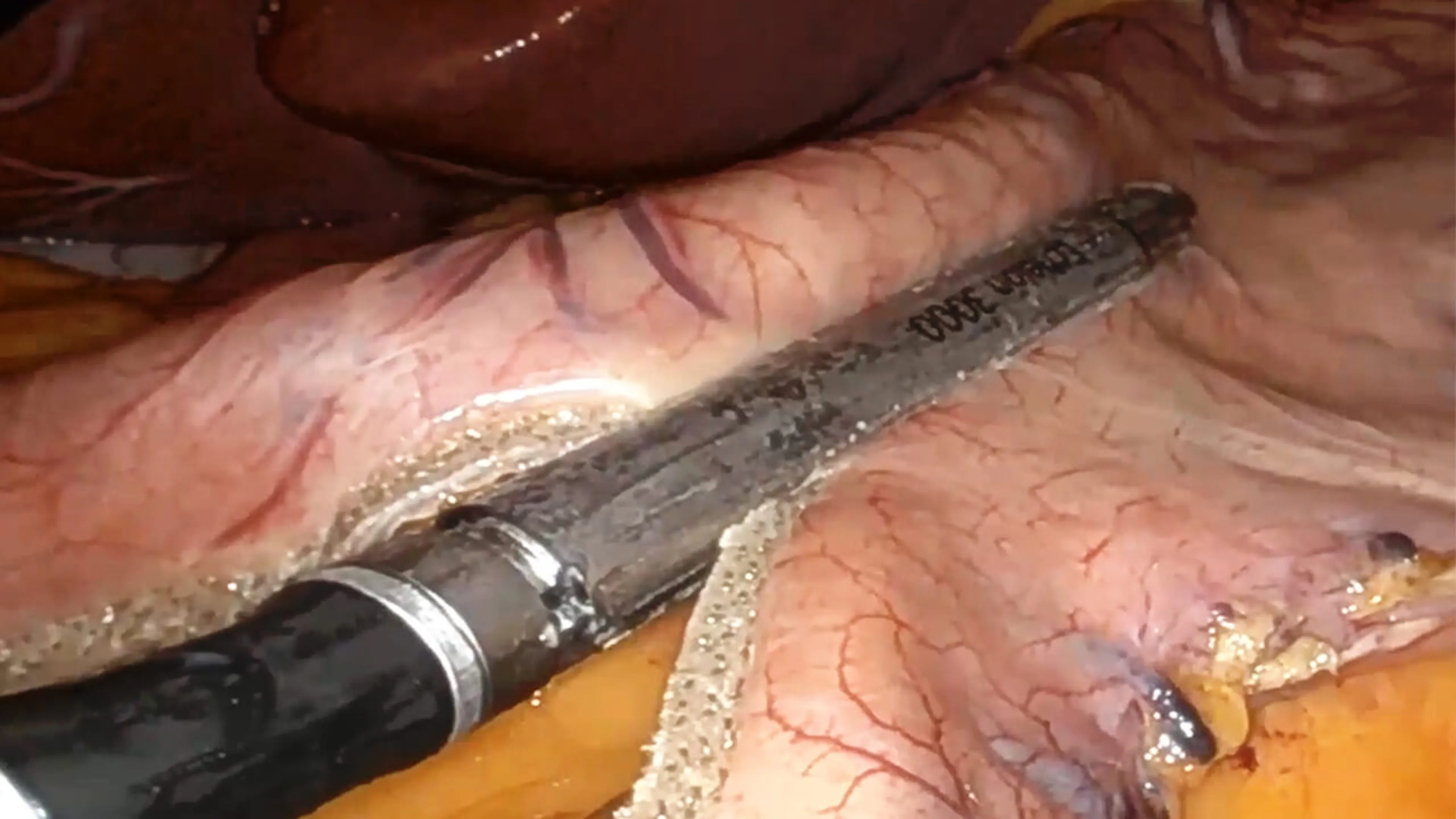
Robotic sleeve gastrectomy using the ECHELON™ 3000 Stapler with ECHELON ENDOPATH™ Staple Line Reinforcement with Brian Binetti, MD
Watch Dr. Binetti perform a robotic sleeve gastrectomy using the ECHELON™ 3000 Stapler with ECHELON ENDOPATH™ Staple Line Reinforcement.

Product
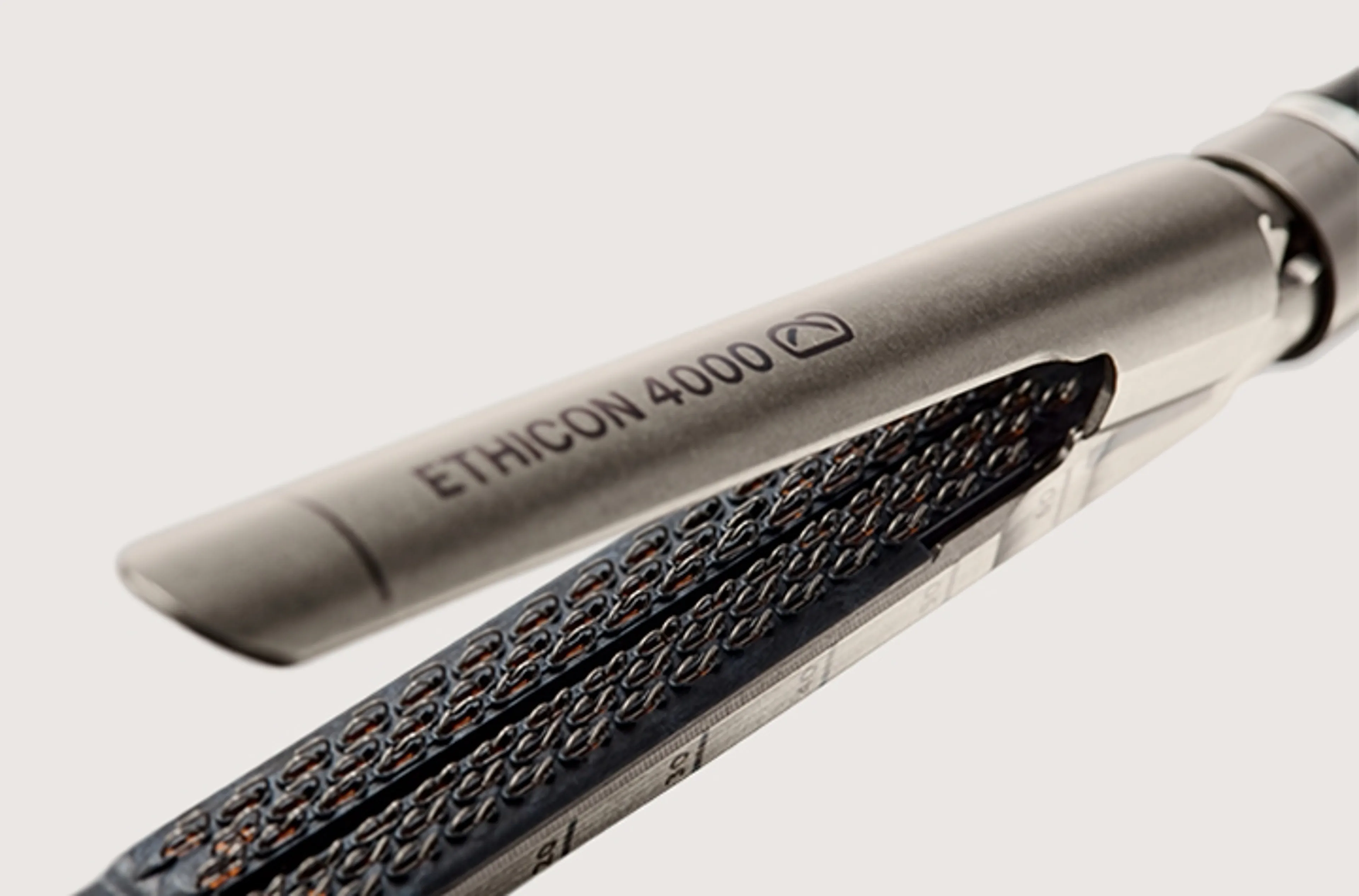
ETHICON™ 4000 Stapler System
Our latest innovation in laparoscopic stapling, the ETHICON™ 4000 Stapler and ETHICON™ 3D Reloads are designed to manage tissue complexities for the most secure staple line yet.3A
Video
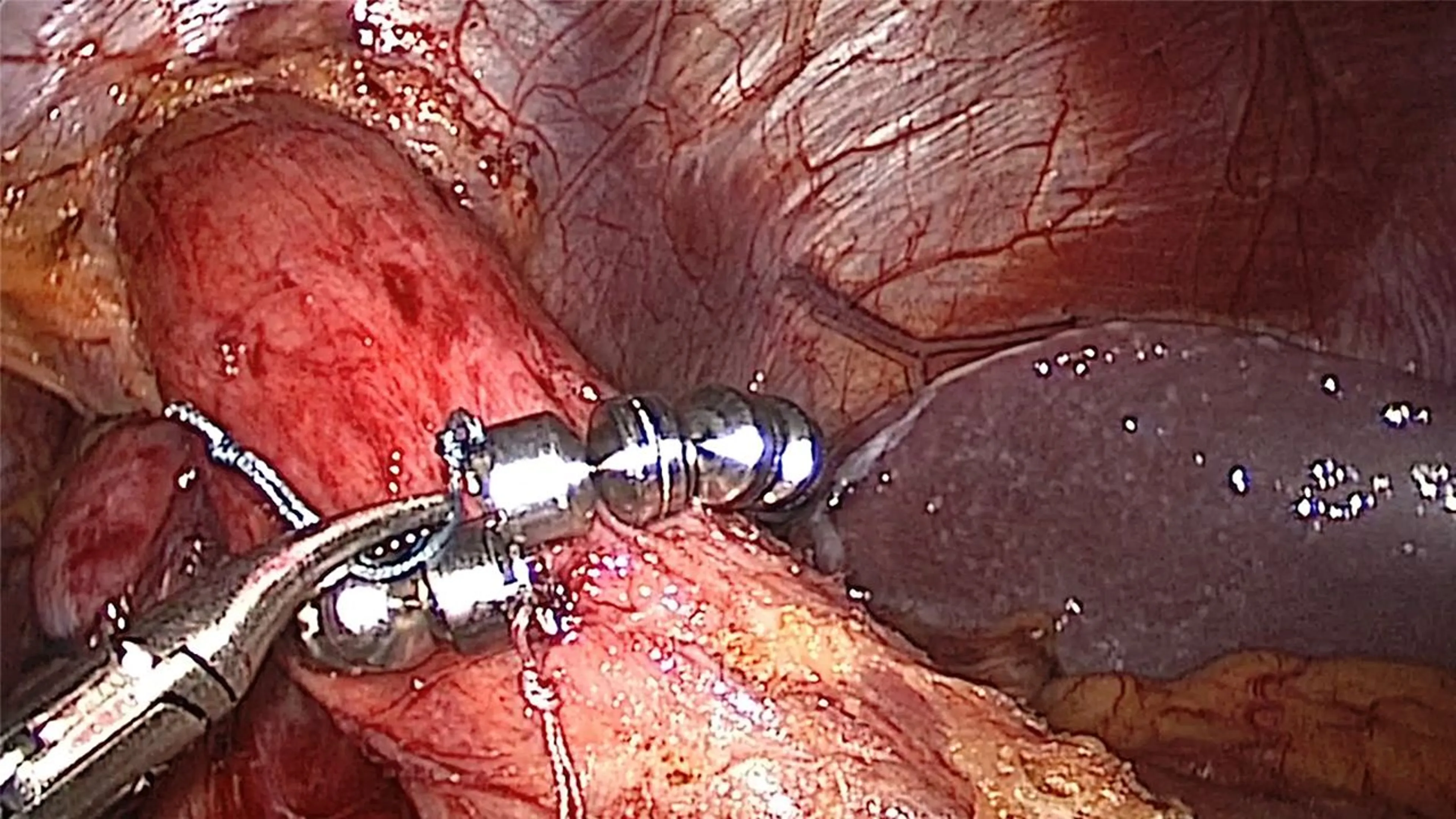
Hiatal hernia repair and LINX™ Reflux Management System placement with John Lipham, MD
Watch Dr. Lipham repair a small hiatal hernia and implant the LINX™ Reflux Management System.
Learning programs
Follow your unique learning journey, from foundational skills to advanced techniques, with expertly-designed programs.
Stapling Academy
This program offers e-modules about the science of stapling, novel stapler design technologies, and optimizing stapler use to enhance patient outcomes.

Beyond the Console Academy
This program offers a customized learning experience to assist surgical teams with improving techniques and optimizing the advanced Surgery product portfolio in robotic cases. Training modules and shared learnings from key opinion leaders across multiple specialties are designed for continuous learning across the comprehensive product portfolio including: wound closure, hemostatic methods, and energy and stapling modalities.
Beyond the Console Academy
This program offers a customized learning experience to assist surgical teams with improving techniques and optimizing the advanced Surgery product portfolio in robotic cases. Training modules and shared learnings from key opinion leaders across multiple specialties are designed for continuous learning across the comprehensive product portfolio including: wound closure, hemostatic methods, and energy and stapling modalities.
Energy Academy
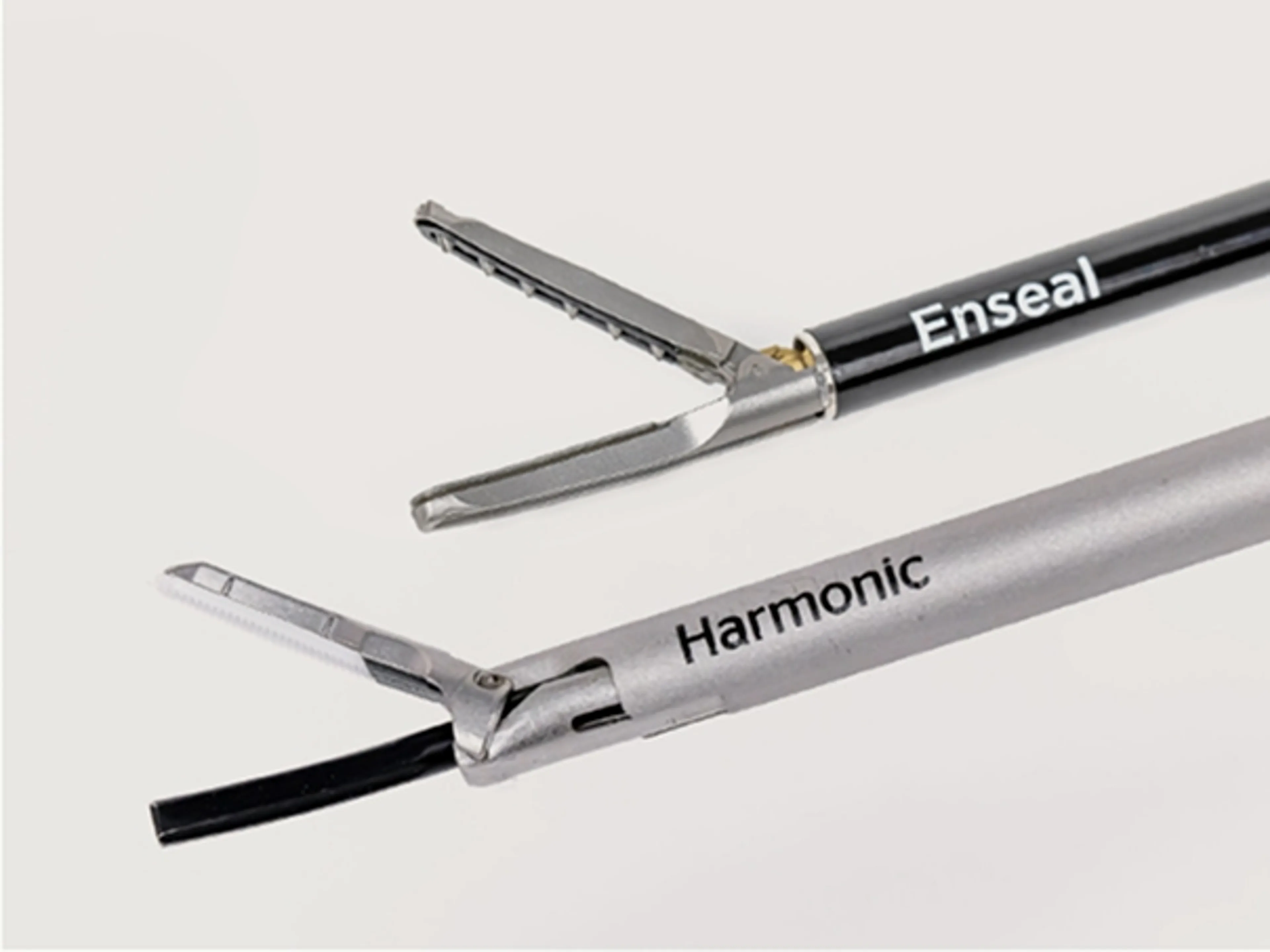
This program offers concise learning about the science of surgical energy to help you understand how monopolar, advanced bipolar, and ultrasonic energy modalities deliver tissue effects differently, while examining their potential hazards and abilities to optimize patient outcomes.
Energy Academy
This program offers concise learning about the science of surgical energy to help you understand how monopolar, advanced bipolar, and ultrasonic energy modalities deliver tissue effects differently, while examining their potential hazards and abilities to optimize patient outcomes.
Education library
Go deep or explore broadly through our extensive collection of high-quality learning materials.
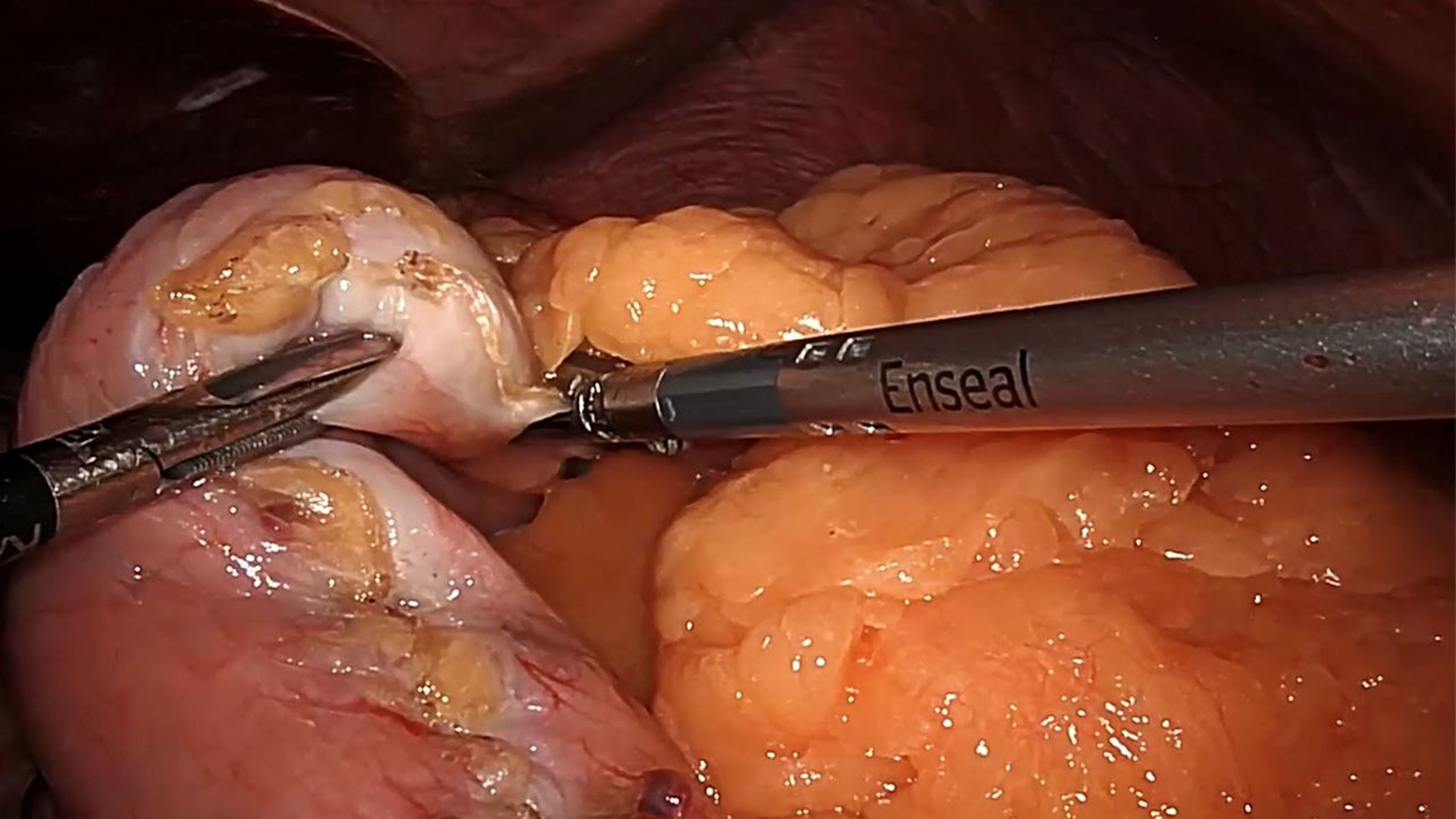
Video
Laparoscopic sleeve gastrectomy using the ENSEAL™ X1 Straight Jaw Tissue Sealer and ECHELON™ 3000 Stapler with Kelvin Higa, MD
Watch Dr. Higa perform a laparoscopic sleeve gastrectomy using the ENSEAL™ X1 Straight Jaw Tissue Sealer and ECHELON™ 3000 Stapler.
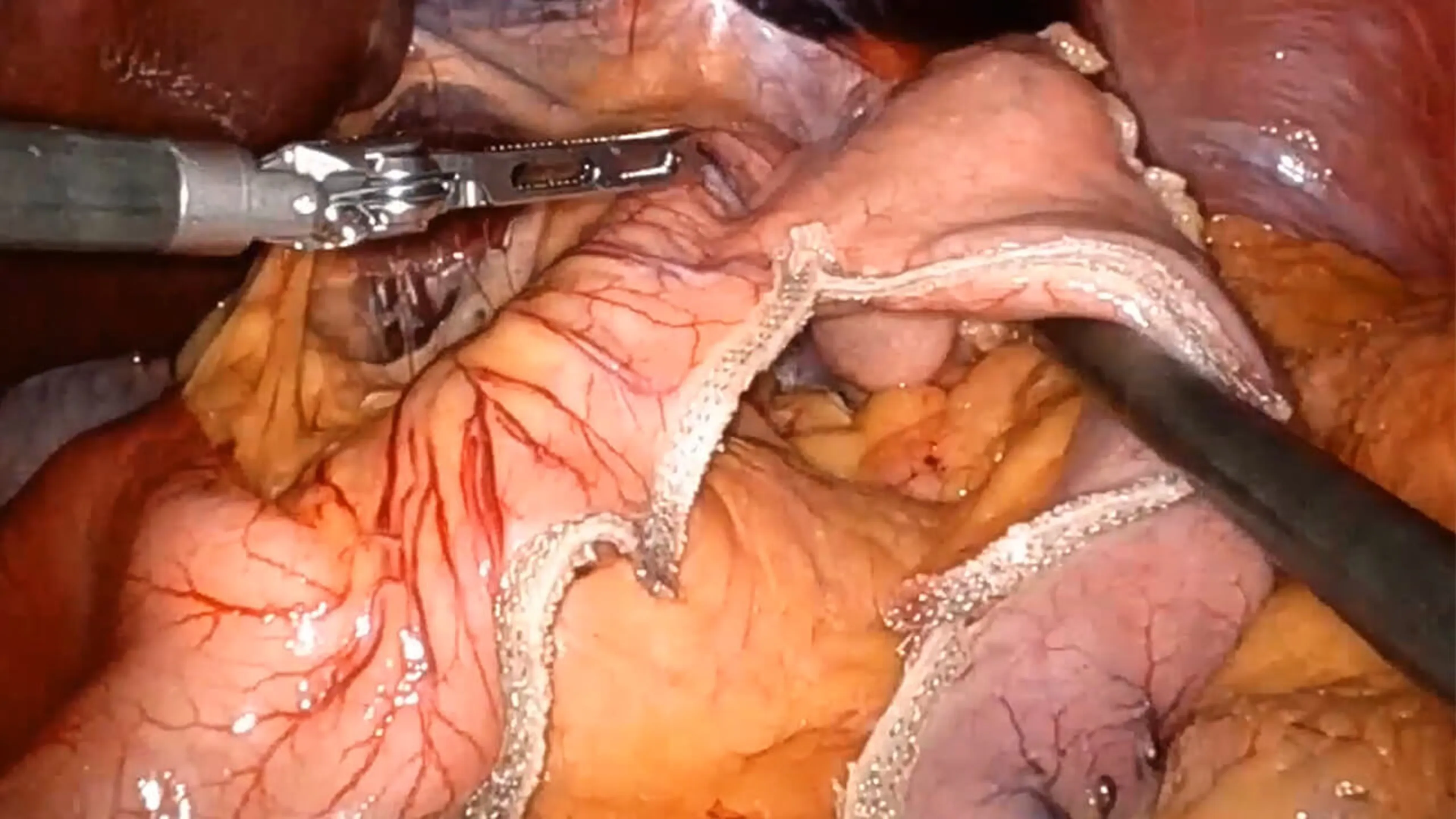
Video
Robotic sleeve gastrectomy using ECHELON ENDOPATH™ Staple Line Reinforcement with Omar Bellorin-Marin, MD
Watch Dr. Bellorin-Marin perform a robotic sleeve gastrectomy using ECHELON ENDOPATH™ Staple Line Reinforcement.
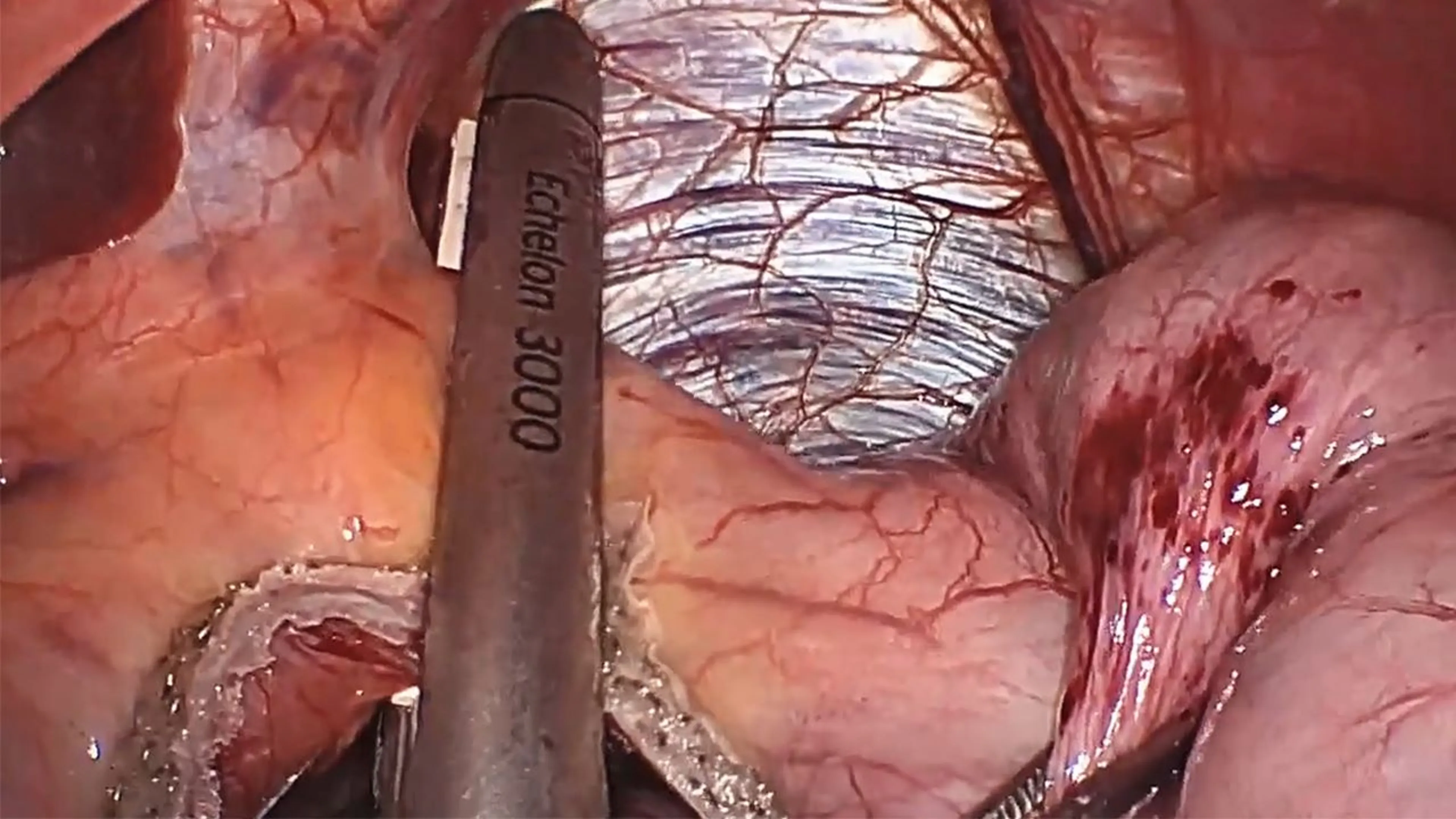
Video
Sleeve gastrectomy using the ECHELON™ 3000 Stapler with ECHELON ENDOPATH™ Staple Line Reinforcement and HARMONIC™ 1100 Shears with Betsy Dovec, MD
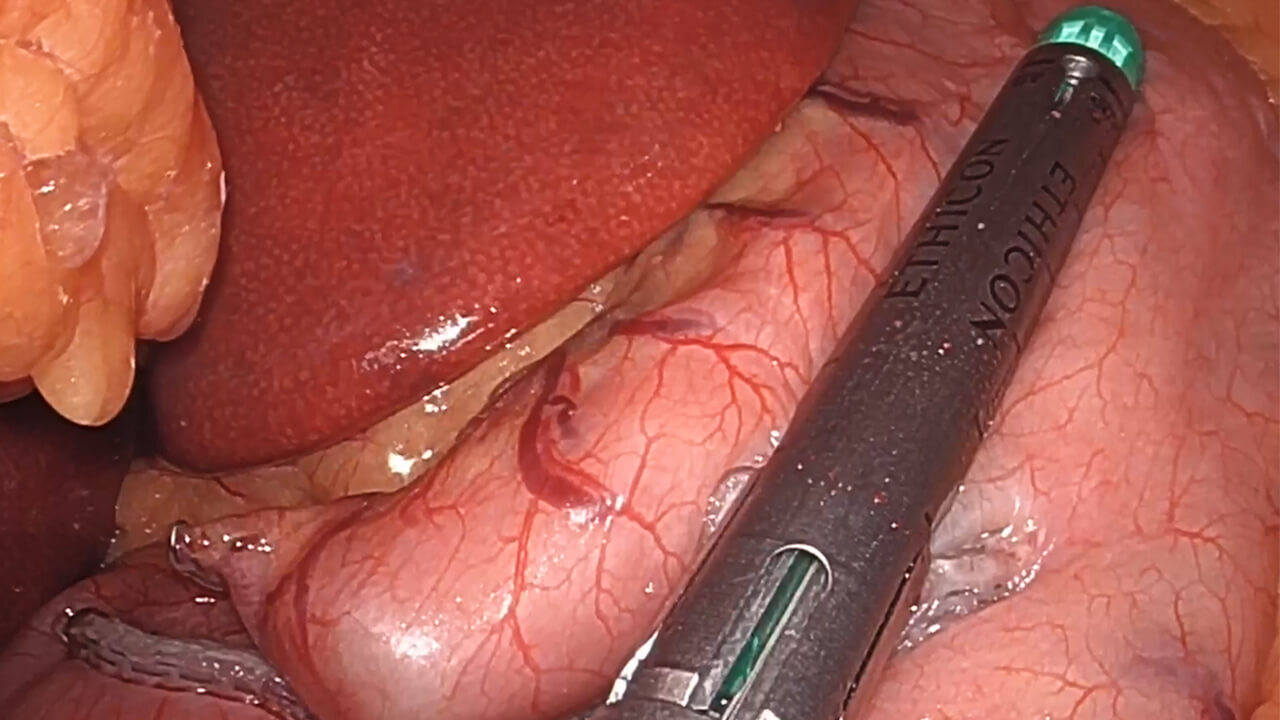
Video
One anastomosis gastric bypass using the ECHELON™ 3000 Stapler and VISTASEAL™ Fibrin Sealant with James Dasher, MD
Video
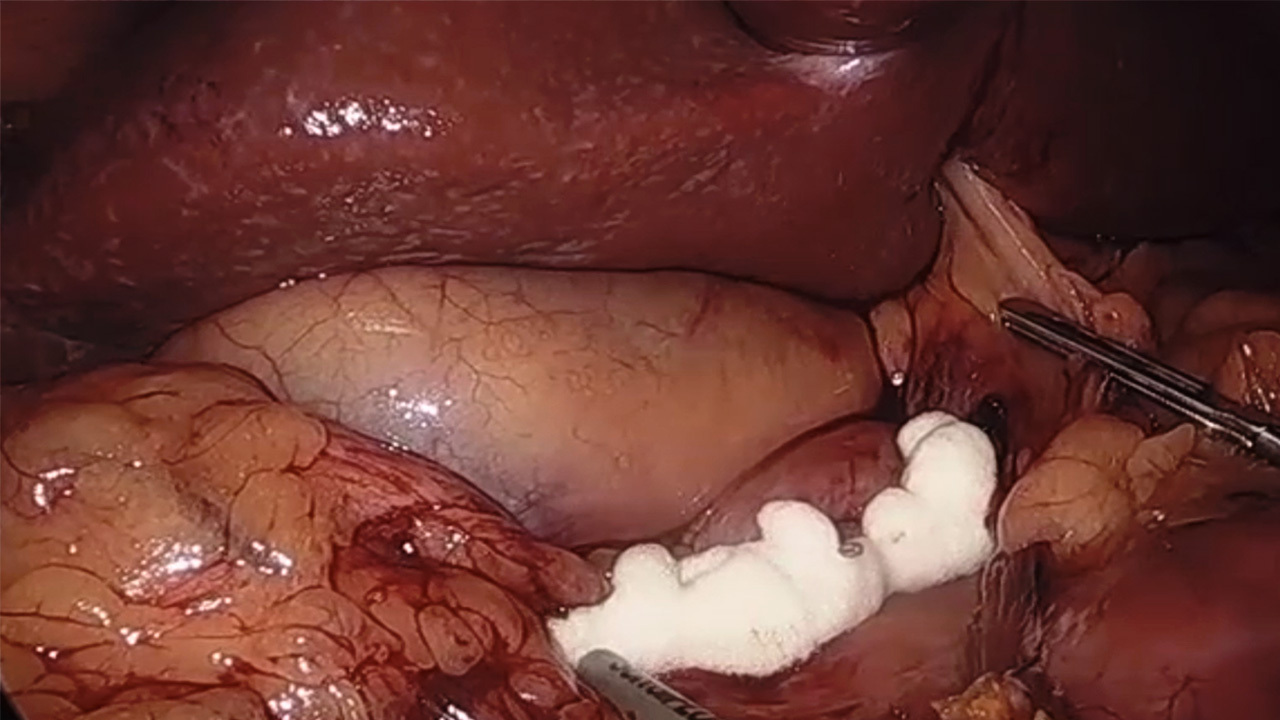
Single anastomosis duodenal switch using the ECHELON FLEX™ ENDOPATH™ Stapler and SURGIFLO™ Hemostatic Matrix with Mitchell Roslin, MD
Elevate your expertise with J&J Institute
References
SURGIFLO™ Hemostatic Matrix Kit Essential Product Information (Made from Absorbable Gelatin Sponge, USP) with Thrombin
DESCRIPTION
SURGIFLO™ with Thrombin (SURGIFLO™ Hemostatic Matrix Kit) is intended for hemostatic use by applying to a bleeding surface.
ACTIONS
When used in appropriate amounts SURGIFLO™ is absorbed completely within 4 to 6 weeks.
INTENDED USE/INDICATIONS
SURGIFLO™, mixed with thrombin solution, is indicated in surgical procedures (other than ophthalmic) as an adjunct to hemostasis when control of bleeding by ligature or other conventional methods is ineffective or impractical.
CONTRAINDICATIONS
- Do not use SURGIFLO™ in intravascular compartments because of the risk of embolization.
- Do not use SURGIFLO™ in patients with known allergies to porcine gelatin.
- Do not use SURGIFLO™ in closure of skin incisions because it may interfere with the healing of skin edges. This interference is due to mechanical interposition of gelatin and is not secondary to intrinsic interference with wound healing.
WARNINGS
- SURGIFLO™ Hemostatic Matrix is not intended for prevention of bleeding. The use of SURGIFLO™ Hemostatic Matrix for mechanical support has not been studied.
- SURGIFLO™ should not be used in the presence of infection and should be used with caution in contaminated areas of the body.
- SURGIFLO™ should not be used in instances of pumping arterial hemorrhage. SURGIFLO™ will not act as a tampon or plug in a bleeding site.
- SURGIFLO™ should be removed from the site of application when used in, around, or in proximity to foramina in bone, areas of bony confine, the spinal cord, and/or the optic nerve and chiasm because it may swell resulting in nerve damage.
- Excess SURGIFLO™ should be removed once hemostasis has been achieved.
- The safety and effectiveness of SURGIFLO™ for use in ophthalmic procedures has not been established.
- SURGIFLO™ should not be used for controlling post-partum intrauterine bleeding or menorrhagia.
- The safety and effectiveness of SURGIFLO™ has not been established in children and pregnant women.
- The blue flexible applicator tip should not be trimmed to avoid exposing internal guidewire.
- The white straight applicator tip should be trimmed away from the surgical area. Cut a square angle to avoid creating a sharp tip.
PRECAUTIONS
- Safe and effective use of SURGIFOAM™ Sponge has been reported in a published neurologic retrospective study involving 1700 cases in Europe. Safe and effective use in neurosurgery has not been proven through randomized, controlled clinical studies in the United States.
- SURGIFLO™ Hemostatic Matrix is for single use only. Do not resterilize. If the product is reused the performance of the product may deteriorate, and cross contamination may occur which may lead to infection.
- SURGIFLO™ Hemostatic Matrix is supplied as a sterile product. Unused open SURGIFLO™ Hemostatic Matrix should be discarded. Do not use SURGIFLO™ Hemostatic Matrix if sterile barrier package is damaged as sterility may be compromised.
- While packing a cavity for hemostasis is sometimes surgically indicated, SURGIFLO™ Hemostatic Matrix should not be used in this manner unless excess product that is not needed to maintain hemostasis is removed. When incorporated into a fibrin clot, SURGIFLO™ Hemostatic Matrix may swell up to 20% upon contact with additional fluid.
- SURGIFLO™ should not be used in conjunction with autologous blood salvage circuits.
- SURGIFLO™ should not be used in conjunction with methylmethacrylate adhesives.
- In urological procedures, SURGIFLO™ should not be left in the renal pelvis or ureters to eliminate the potential foci for calculus formation.
ADVERSE EVENTS
A total of 142 patients received SURGIFOAM™ Sponge during a clinical trial comparing SURGIFOAM™ Sponge to another absorbable gelatin sponge. In general, the following adverse events have been reported with the use of absorbable porcine gelatin-based hemostatic agents:
- Gelatin-based hemostatic agents may serve as a nidus for infection and abscess formation and have been reported to potentiate bacterial growth.
- Giant cell granulomas have been observed at implant sites when used in the brain.
- Compression of the brain and spinal cord resulting from the accumulation of sterile fluid have been observed.
- Multiple neurologic events were reported when absorbable gelatin-based hemostatic agents were used in laminectomy operations, including cauda equina syndrome, spinal stenosis, meningitis, arachnoiditis, headaches, paresthesias, pain, bladder and bowel dysfunction, and impotence.
- The use of absorbable gelatin-based hemostatic agents during the repair of dural defects associated with laminectomy and craniotomy operations, has been associated with fever, infection, leg paresthesias, neck and back pain, bladder and bowel incontinence, cauda equina syndrome, neurogenic bladder, impotence, and paresis.
- The use of absorbable gelatin-based hemostatic agents has been associated with paralysis, due to device migration into foramina in the bone around the spinal cord, and blindness, due to device migration in the orbit of the eye, during lobectomy, laminectomy, and repair of a frontal skull fracture and lacerated lobe.
- Foreign body reactions, “encapsulation” of fluid, and hematoma have been observed at implant sites.
- Excessive fibrosis and prolonged fixation of a tendon have been reported when absorbable gelatin-based sponges were used in severed tendon repair.
- Toxic shock syndrome was reported in association with the use of absorbable gelatin-based hemostats in nasal surgery.
- Fever, failure of absorption, and hearing loss have been observed when absorbable hemostatic agents were used during tympanoplasty.
Adverse Reactions to Gelatin-Based Hemostatic Agents with Thrombin
Adhesion formation and small bowel obstruction are well-known and common complications following abdominal and gynecological surgeries. Adverse events such as these, as well as inflammation and foreign body reaction including giant cell granulomas, have been reported within abdominal and gynecological surgeries in which gelatin-based and collagen-based hemostatic agents with thrombin have been used in excessive amount. Inflammation and foreign body reaction such as encapsulation of the product may mimic artifacts on radiographic images, resulting in diagnostic errors and possible reoperation. Therefore, as with other gelatin hemostatic agents, only the minimum amount of SURGIFLO™ Hemostatic Matrix needed to achieve hemostasis should be used. Once hemostasis is achieved, any excess SURGIFLO™ Hemostatic Matrix should be carefully removed.
EVITHROM™ Thrombin, Topical (Human) for Topical Use Only
- Lyophilized Powder for Solution
- EVITHROM™ is a topical thrombin indicated as an aid to hemostasis whenever oozing blood and minor bleeding from capillaries and small venules is accessible and control of bleeding by standard surgical techniques (such as suture, ligature or cautery) is ineffective or impractical.
- EVITHROM™ may be used in conjunction with an Absorbable Gelatin Sponge, USP.
Important Safety Information
- For topical use only.
- Do not inject.
- Apply EVITHROM™ on the surface of bleeding tissue only.
- The amount of EVITHROM™ required depends upon the area of tissue to be treated and the method of application. In clinical studies, volumes up to 10 ml were used in conjunction with Absorbable Gelatin Sponge.
- Do not use for the treatment of severe or brisk arterial bleeding.
- Do not use in individuals known to have anaphylactic or severe systemic reaction to human blood products. Hypersensitivity reactions, including anaphylaxis, may occur.
- There is a potential risk of thrombosis if absorbed systemically.
- May carry a risk of transmitting infectious agents such as viruses and theoretically, the Creutzfeldt-Jakob disease (CJD) agent, despite manufacturing steps designed to reduce the risk of viral transmission.
- The most common adverse reactions during clinical trial (reported in at least 2% of subjects treated with EVITHROM™) were prolonged activated partial thromboplastin time, increased INR, decreased lymphocyte count, prolonged prothrombin time, and increased neutrophil count.
- None of the patients treated with EVITHROM™ developed antibodies to human thrombin or to human Factor V/Va. The clinical significance of these findings is unknown.
For complete indications, contraindications, warnings, precautions, and adverse reactions, please reference full package insert.
US_ETH_BIOS_111036.1
VISTASEAL™ Fibrin Sealant (Human) IMPORTANT SAFETY INFORMATION
INDICATION
VISTASEAL™, a fibrin sealant, is indicated as an adjunct to hemostasis for mild to moderate bleeding in patients undergoing surgery when control of bleeding by standard surgical techniques (such as suture, ligature, and cautery) is ineffective or impractical. VISTASEAL™ is effective in heparinized patients.
CONTRAINDICATIONS
Do not inject directly into the circulatory system.
Do not use for the treatment of severe or brisk arterial bleeding.
Do not use in patients with history of anaphylaxis or severe systemic reactions to human blood products.
Do not use VISTASEAL™ for spraying unless the minimum recommended distance from the applicator tip to the bleeding site can be achieved.
WARNINGS AND PRECAUTIONS
Thromboembolic events may occur if VISTASEAL™ is administered intravascularly.
Hypersensitivity reactions can occur.
May carry a risk of transmitting infectious agents, e.g., viruses, the variant Creutzfeldt-Jakob disease (vCJD) agent and, theoretically, the Creutzfeldt-Jakob disease (CJD) agent.
ADVERSE REACTIONS
The most common adverse reactions (reported in >1% of patients) were procedural pain, and nausea.
For complete indications, contraindications, warnings, precautions, and adverse reactions, please reference full package insert.
A. Staple line security was evaluated for the following staplers by assessing the consistency of staple formation and height: the ETHICON™ 4000 Stapler with ETHICON™ 3D Reloads, the ECHELON™ 3000 Stapler with GST Reloads, Medtronic Staplers with Tri-Staple™ Reloads, and the Intuitive SureForm™ Stapler.
- Ethicon. SureForm Transection Performance Benchmark Ver 9 software. 6/7/2024. Windchill #501978243
- Ethicon. SureForm Stapler with Echelon Endopath Staple Line Reinforcement Claims Memorandum. 5/23/2022. Windchill #500984233
- Johnson & Johnson and its affiliates. Ethicon™ 4000 with Ethicon™ 3D Reloads – Staple Performance Claims. February 2024. Windchill #502188145
For complete indications, contraindications, warnings, precautions, and adverse reactions, please reference full package insert.
The third-party trademarks used herein are the trademarks of their respective owners.
US_SRG_ALLS_407204