Johnson & Johnson Institute
Thoracoscopic lobectomy
Commonly used devices
Commonly used equipment
5 mm or 10 mm 0 and 30-degree laparoscope
Energy
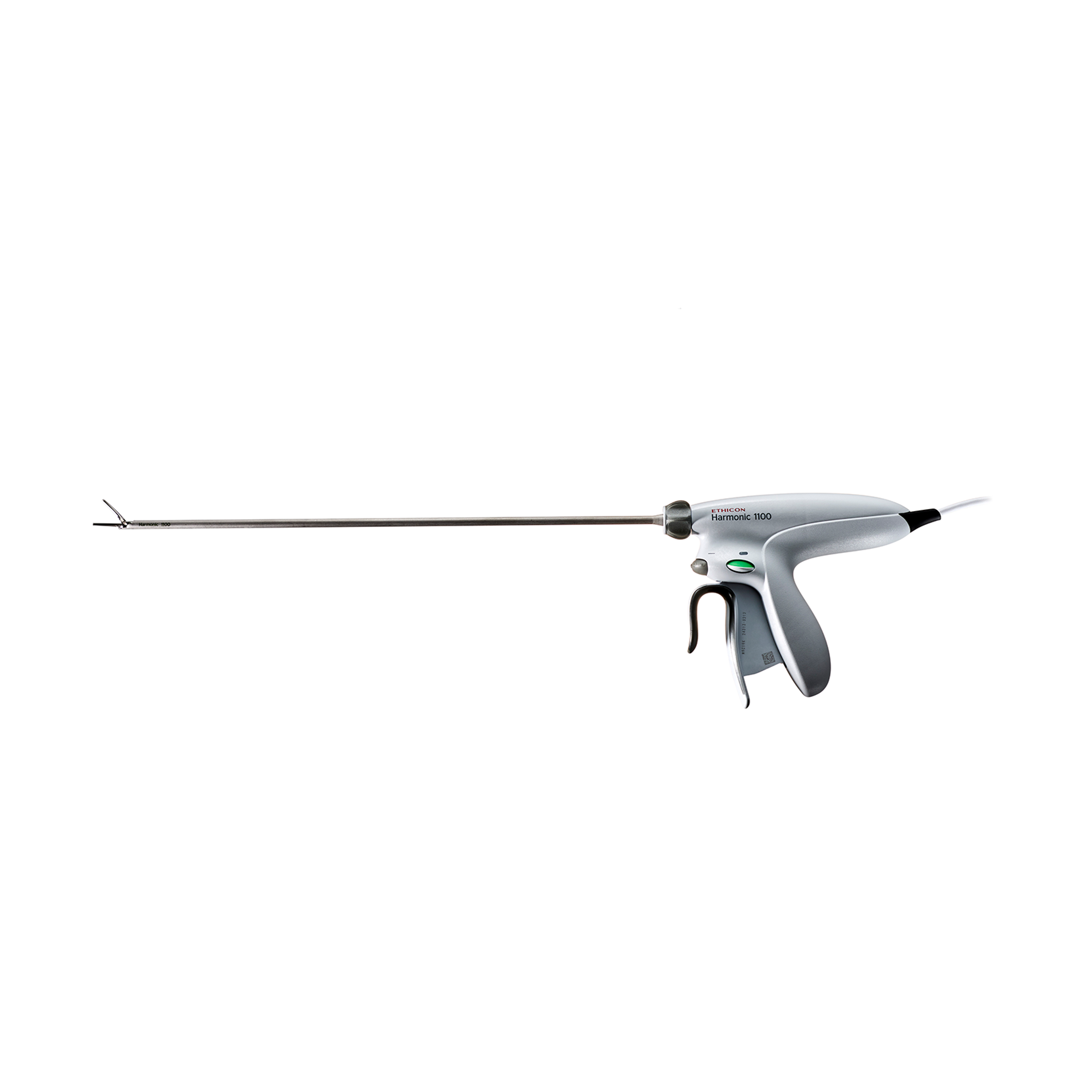
HARMONIC™ 1100 Shears
When operating in tight spaces or near vital structures, precision is essential. HARMONIC™ stands unrivaled as the undisputed ultrasonic leader and proven to deliver minimal thermal impact on tissue1,2A with precise energy delivery.3,4 HARMONIC™ 1100 Shears, our most advanced ultrasonic device, delivers secure vessel sealing up to and including 7mm5-7, faster transection speeds, lower maximum blade temperatures, and more precise tissue dissection.8-12B
Staplers
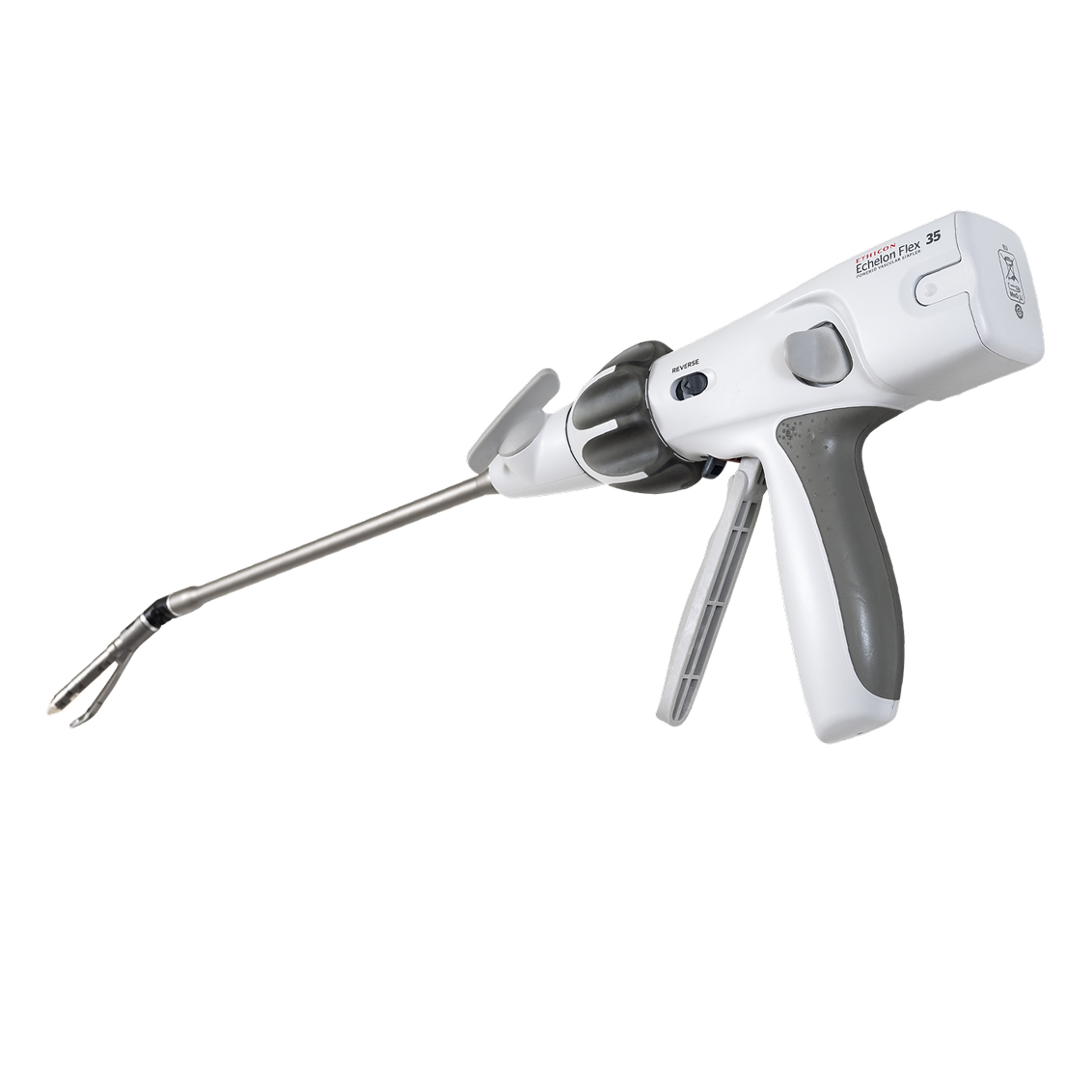
ECHELON FLEX™ Powered Vascular Stapler
In thoracic surgery, tight spaces can limit visibility, control, and access, making it difficult to navigate critical anatomy with confidence. The narrow anvil, increased articulation, and smaller shaft diameter of the ECHELON FLEX™ Powered Vascular Stapler, improved access in VATS procedures, enabling precise placement on fragile pulmonary vessels.1A
Staplers
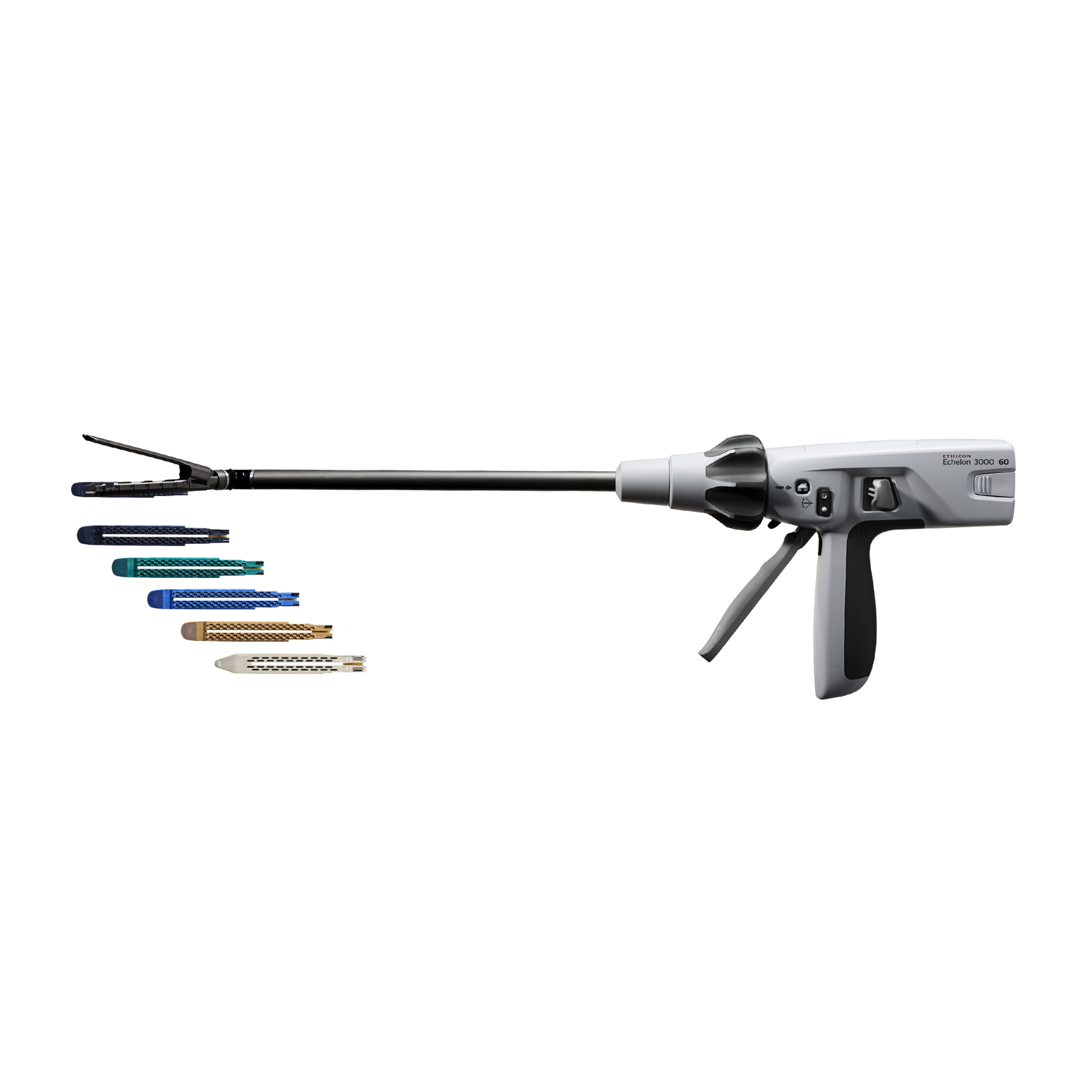
ECHELON™ 3000 Stapler
The ECHELON™ 3000 Stapler was designed to accommodate a patient's unique anatomy and provide consistency across staple lines. It enables better access1A and more control2B over each transection, helping tailor procedures to your patient's unique needs.
_Suture_(Hero_1).jpg?width=3840&quality=90&format=webp)
Suture
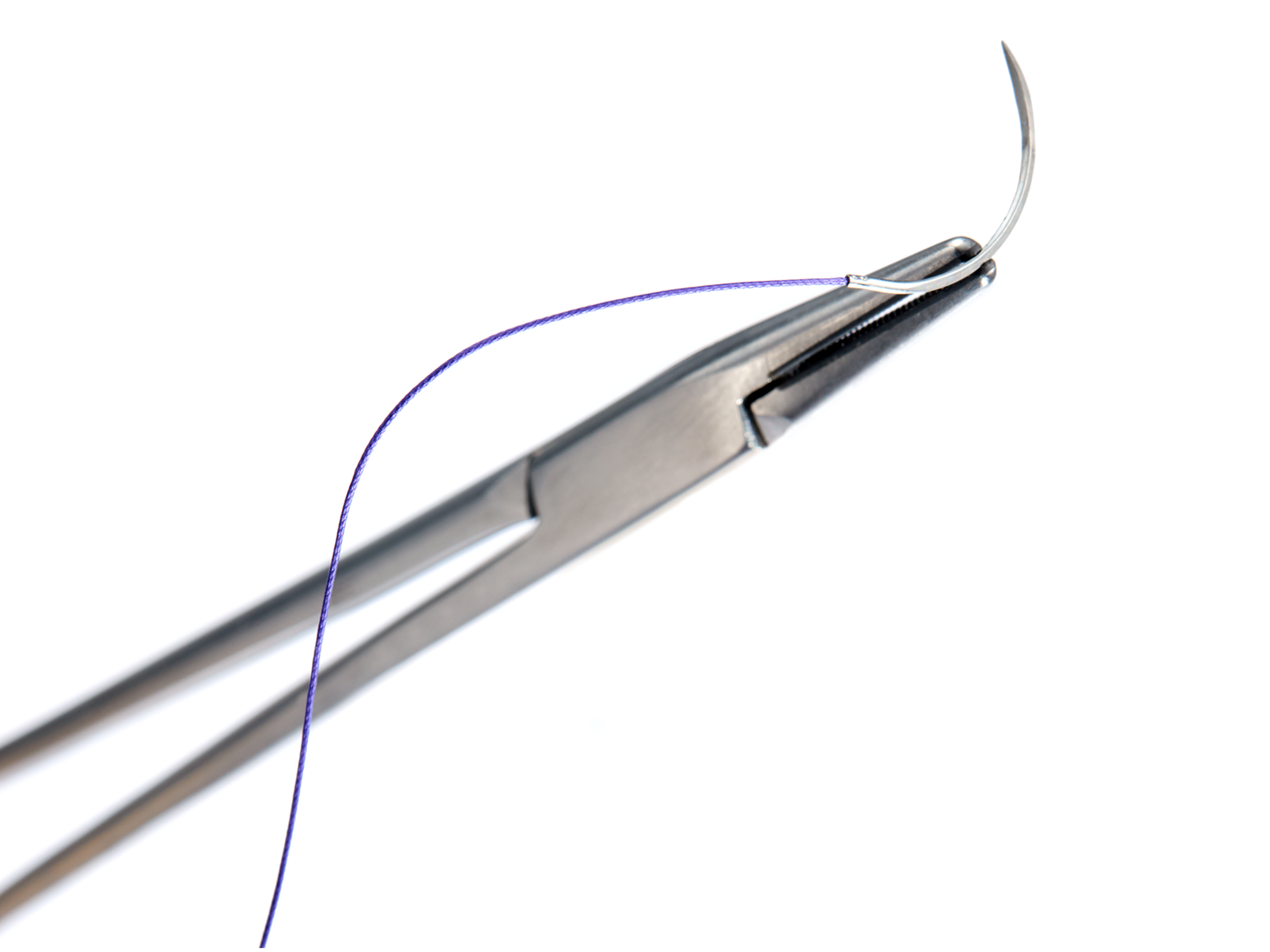
MONOCRYL™ Plus Antibacterial (poliglecaprone 25) Suture
Surgical site infections (SSIs) are the most common type of hospital-acquired infection.1 Part of the Ethicon suture portfolio, MONOCRYL™ Plus Antibacterial Sutures provide the same handling and performance as traditional MONOCRYL™ (Poliglecaprone 25) Sutures while dependably providing antibacterial protection.2-9
Coated with triclosan, these absorbable sutures were associated with nearly 30% reduction in the risk of SSIs.10,11A Backed by the highest level of clinical evidence,8,12-16H these sutures offer an added layer of protection against the most common pathogens associated with SSIs in an in vitro study.2,4,5BC
Suture
Coated VICRYL™ Plus Antibacterial (Polyglactin 910) Suture
Surgical site infections (SSIs) are the most common type of hospital-acquired infection.1 Part of the Ethicon suture portfolio, Coated VICRYL™ Plus Antibacterial Sutures provide the same handling and performance as traditional Coated VICRYL™ (polyglactin 910) Sutures while dependably providing antibacterial protection.2-9
Coated with triclosan, these absorbable sutures were associated with nearly 30% reduction in the risk of SSIs10,11A Backed by the highest level of clinical evidence,8,12-16H these sutures offer an added layer of protection against the most common pathogens associated with SSIs in an in vitro study.2,4,5BC
.png?width=3840&quality=90&format=webp)
Suture
PDS™ Plus Antibacterial (polydioxanone) Suture
Surgical site infections (SSIs) are the most common type of hospital-acquired infection.1 Part of the Ethicon suture portfolio, PDS™ Plus Antibacterial Sutures provide the same handling and performance as traditional PDS™ (Polydioxanone) Sutures while dependably providing antibacterial protection.2-9
Coated with triclosan, these absorbable sutures were associated with nearly 30% reduction in the risk of SSIs.10,11A Backed by the highest level of clinical evidence,8,12-16H these sutures offer an added layer of protection against the most common pathogens associated with SSIs in an in vitro study.2,4,5C
References
For complete indications, contraindications, warnings, precautions, and adverse reactions, please reference full package insert.
Keith D. Mortman MD, prepared this procedure guide on behalf of Johnson & Johnson and its affiliates. The procedure guide reflects the opinions of the individual presenter, and the steps described may not encompass the complete steps of the procedure. Additionally, other surgeons may prefer different techniques, approaches, etc., as individual surgeon experience in his/her clinical practice, as well as patient needs, may dictate variation in procedure steps.
Before using any medical device, review all labeling, including without limitation; the Instructions For Use (IFU), and relevant package inserts with particular attention to the indications, contraindications, warnings and precautions, and steps for use of the device(s).
This presentation is not accredited for CE/CME.
Keith D. Mortman, MD, is compensated by and presenting on behalf of Johnson & Johnson and its affiliates and must present information in accordance with applicable regulatory requirements.
US_ETH_ENER_315104