.jpg?width=3840&quality=80&format=webp)
Gynecology
At Johnson & Johnson MedTech, our unwavering commitment is to transform the landscape of gynecological procedures—delivering solutions that span from the simplest interventions to the most complex surgeries.
For the most complex cases, we leverage advanced innovations and expertise to provide precise, reliable solutions that empower healthcare providers to deliver exceptional care. Because at Johnson & Johnson MedTech, we believe every woman deserves the best—today, and for a healthier tomorrow.
Featured
.jpg?width=3840&quality=90&format=webp)
Product
HARMONIC™ 1100 Shears
When operating in tight spaces or near vital structures, precision is essential. HARMONIC™ stands unrivaled as the undisputed ultrasonic leader and proven to deliver minimal thermal impact on tissue1,2A with precise energy delivery.3,4
.jpg?width=3840&quality=90&format=webp)
Product
DUALTO™ Energy System
With more than a century of expertise in surgery, we’re combining insights with OR needs to provide a solution that elevates the way surgical energy is delivered – multiple energy modalities powered by a single system that is configurable to different care settings, and easily upgradable.5,6B
.jpg?width=3840&quality=90&format=webp)
Product
ENSEAL™ X1 Large Jaw Tissue Sealer
Designed for use in open surgical procedures, the ENSEAL™ X1 Large Jaw Tissue Sealer is an advanced bipolar energy device that delivers strong seals.7C
Learning programs
Follow your unique learning journey, from foundational skills to advanced techniques, with expertly-designed programs.
.jpg.png?width=3840&quality=80&format=webp)
Energy Academy
This program offers concise learning about the science of surgical energy to help you understand how monopolar, advanced bipolar, and ultrasonic energy modalities deliver tissue effects differently, while examining their potential hazards and abilities to optimize patient outcomes.
.jpg.png?width=3840&quality=80&format=webp)
.jpg?width=3840&quality=80&format=webp)
Beyond the Console Academy
This program offers a customized learning experience to assist surgical teams with improving techniques and optimizing the advanced Surgery product portfolio in robotic cases. Training modules and shared learnings from key opinion leaders across multiple specialties are designed for continuous learning across the comprehensive product portfolio including: wound closure, hemostatic methods, and energy and stapling modalities.
Beyond the Console Academy
This program offers a customized learning experience to assist surgical teams with improving techniques and optimizing the advanced Surgery product portfolio in robotic cases. Training modules and shared learnings from key opinion leaders across multiple specialties are designed for continuous learning across the comprehensive product portfolio including: wound closure, hemostatic methods, and energy and stapling modalities.
Education library
Go deep or explore broadly through our extensive collection of high-quality learning materials.
Playlist
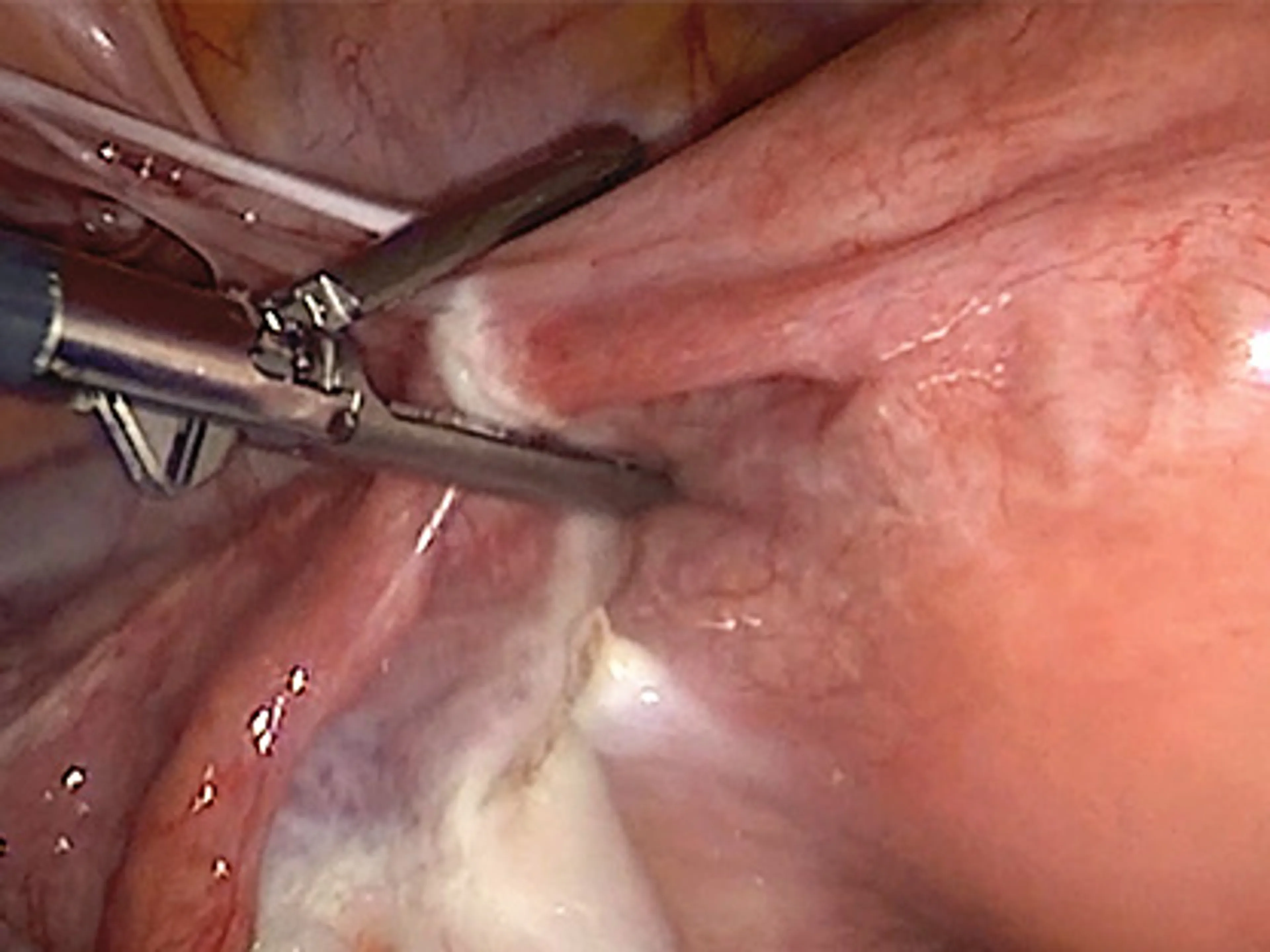
Optimizing energy devices in gynecological surgery with Kurian Thott, MD
Watch Dr. Thott utilize HARMONIC™ and ENSEAL™ technologies, as well as STRATAFIX™, SURGICEL™ Powder, and INTERCEED™ in a myomectomy and total laparoscopic hysterectomy.
.jpg?width=3840&quality=80&format=webp)
Video
Total abdominal hysterectomy using the ENSEAL™ X1 Large Jaw Tissue Sealer with Steven McCarus, MD
Watch Dr. McCarus perform a total abdominal hysterectomy using the ENSEAL™ X1 Large Jaw Tissue Sealer.
.jpg?width=3840&quality=80&format=webp)
Video
Excision of endometriosis using HARMONIC™ 1100 Shears and GYNECARE INTERCEED™ Absorbable Adhesion Barrier with Kirsten Sasaki, MD
Video
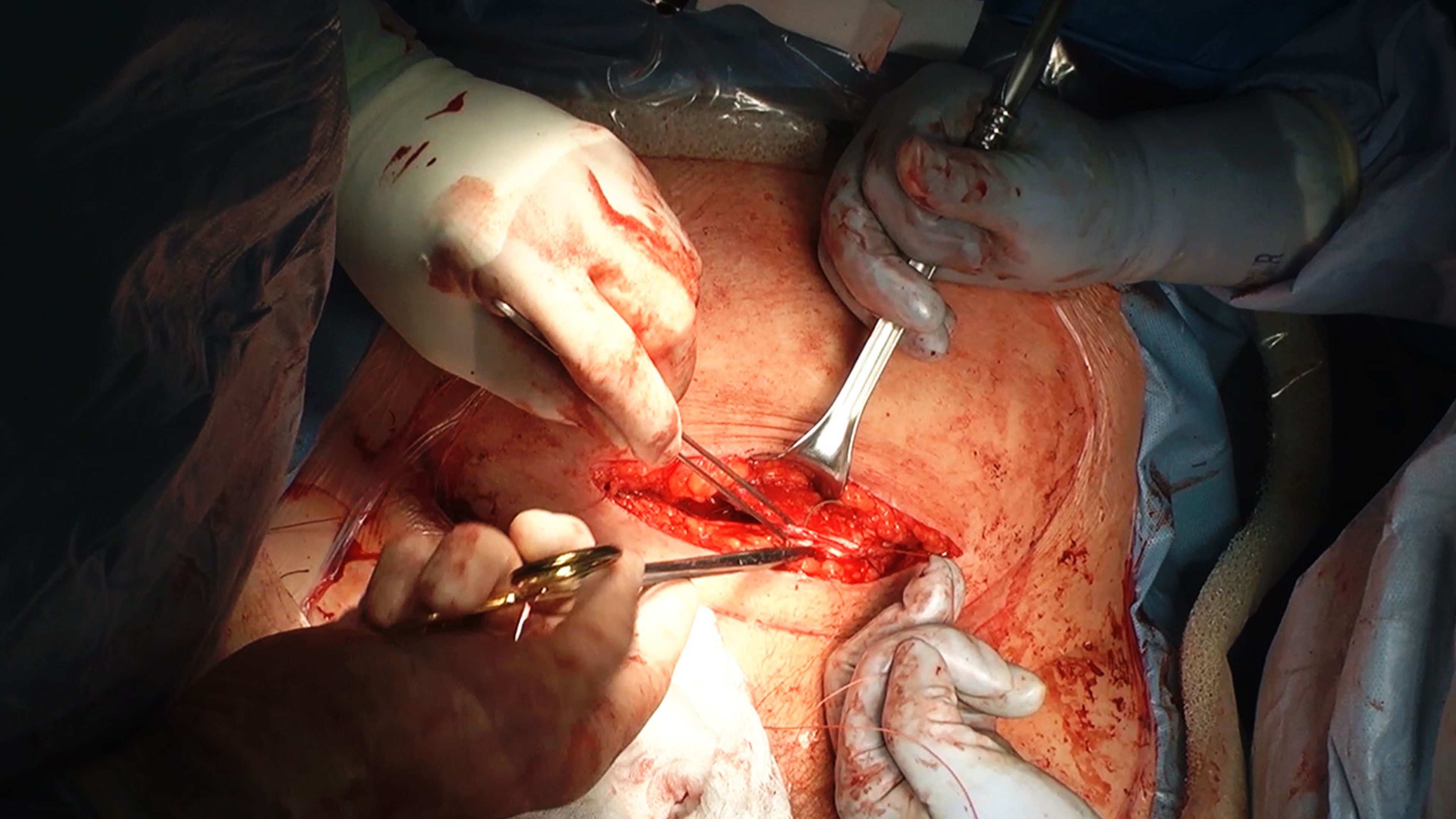
C-section wound closure using STRATAFIX™ Spiral Knotless Tissue Control Device and DERMABOND™ PRINEO™ Skin Closure System with Russell Stankiewicz, MD
.jpg?width=3840&quality=90&format=webp)
Procedure
Total laparoscopic hysterectomy with Grace Chen, MD
Video
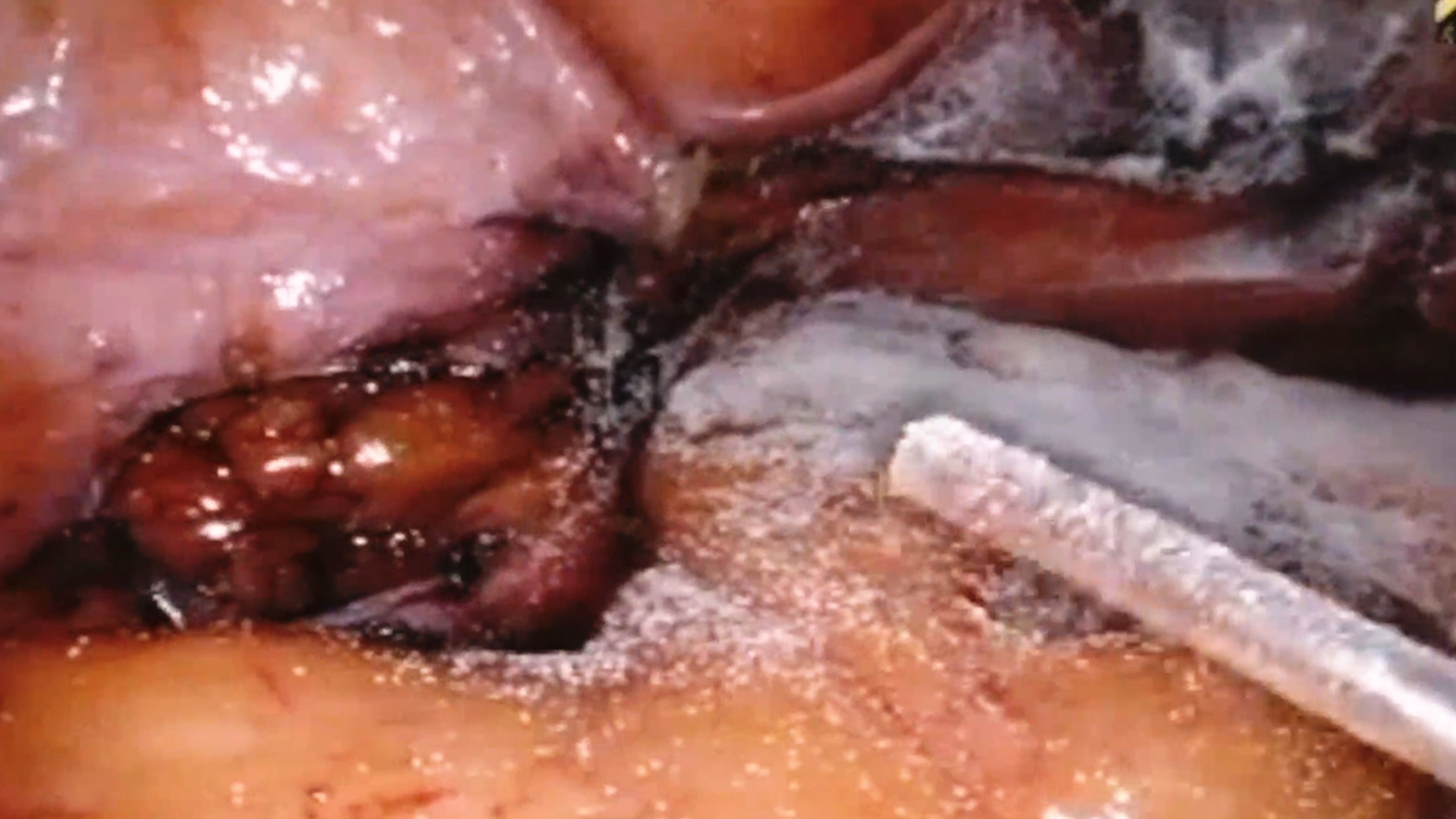
Robotic hysterectomy using the ENSEAL™ X1 Curved Jaw Tissue Sealer and SURGICEL™ Powder with Jonathan Black, MD
Video
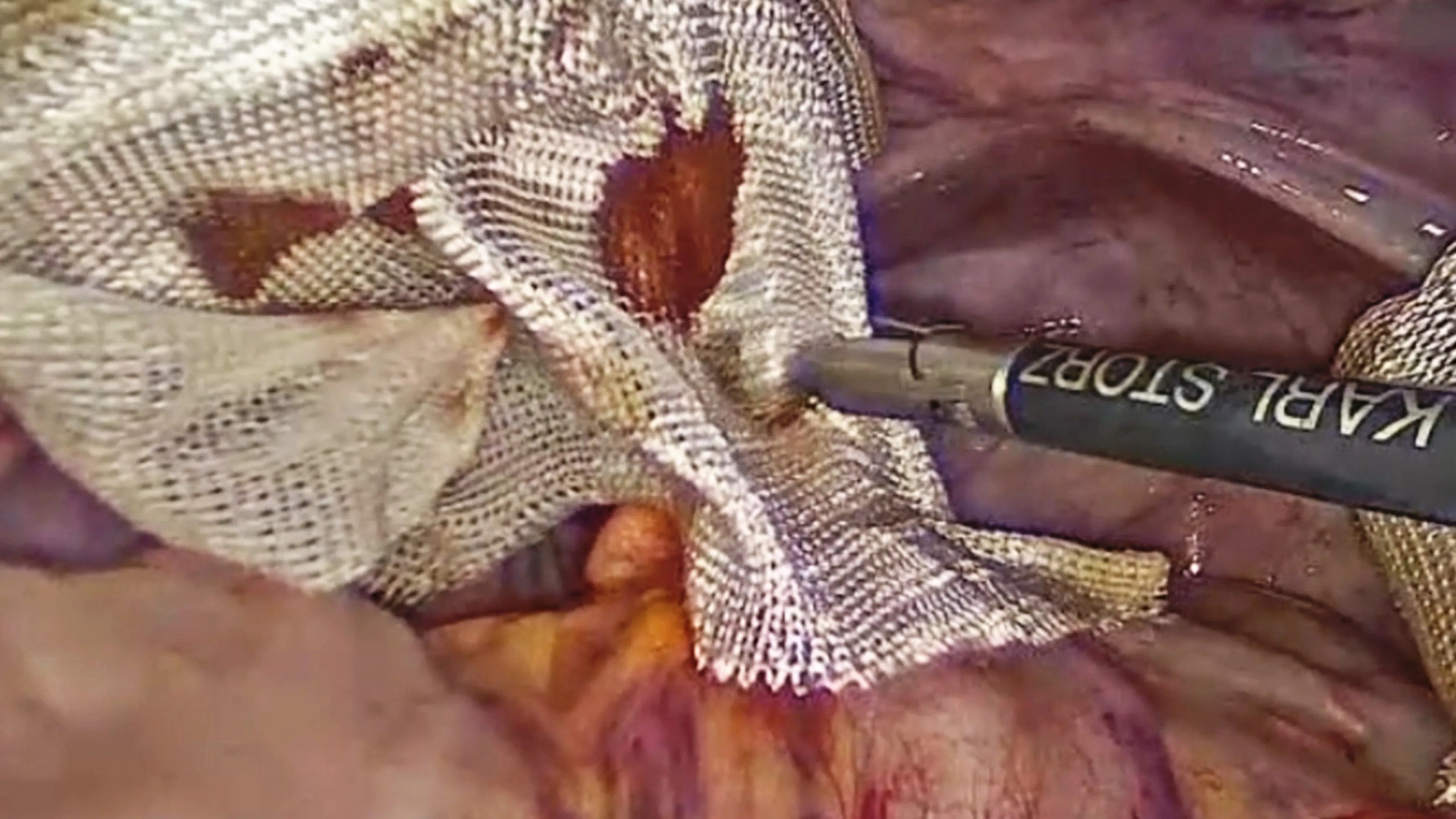
Ovarian cystectomy using HARMONIC™ 1100 Shears and GYNECARE INTERCEED™ with Kirsten Sasaki, MD
.jpg?width=3840&quality=80&format=webp)
Video
Aortic dissection using VISTASEAL™ Fibrin Sealant with Michael Worley, Jr., MD
Elevate your expertise with J&J Institute
References
Warning
The safety and effectiveness of GYNECARE INTERCEED™ Absorbable Adhesion Barrier in laparoscopic surgery or any procedures other than open (laparotomy) gynecologic microsurgical procedures have not been established.
The ETHICON™ Total Energy System is now referred to as DUALTO™ Energy System, with no changes to its intended use, design, performance, or regulatory status under FDA 510(k) K243067.
GYNECARE INTERCEED™ Absorbable Adhesion Barrier Essential Product Information
INDICATIONS
GYNECARE INTERCEED™ Absorbable Adhesion Barrier is indicated as an adjuvant in open (laparotomy) gynecologic pelvic surgery for reducing the incidence of postoperative pelvic adhesions after meticulous hemostasis is achieved consistent with microsurgical principles.
CONTRAINDICATIONS
The use of GYNECARE INTERCEED™ Absorbable Adhesion Barrier is contraindicated in the presence of frank infection.
GYNECARE INTERCEED™ Absorbable Adhesion Barrier is not indicated as a hemostatic agent.
Appropriate means of achieving hemostasis must be employed.
WARNINGS
Postoperative adhesions may be induced by GYNECARE INTERCEED™ Absorbable Adhesion Barrier application if adjacent tissues (eg, ovary and tube) and structures are coapted or conjoined by the device, or if GYNECARE INTERCEED™ Absorbable Adhesion Barrier is folded, wadded or layered. Care must be taken to apply GYNECARE INTERCEED™ Absorbable Adhesion Barrier in single layers, interposed between adjacent anatomic structures at risk for adhesion formation.
Postoperative adhesions may occur in the presence of GYNECARE INTERCEED™ Absorbable Adhesion Barrier if meticulous hemostasis is not achieved prior to application. GYNECARE INTERCEED™ Absorbable Adhesion Barrier must not be used if meticulous hemostasis has not been achieved or if blood contacts the product prior to its application.
As with all foreign substances, GYNECARE INTERCEED™ Absorbable Adhesion Barrier should not be placed in a contaminated surgical site. Potentially contaminated surgical sites include hysterotomy following labor and/or prolonged rupture of membranes. The performance of GYNECARE INTERCEED™ Absorbable Adhesion Barrier at potentially contaminated surgical sites has not been determined.
PRECAUTIONS
Use only a single layer of GYNECARE INTERCEED™ Absorbable Adhesion Barrier, since multiple layers of packing or folding will not enhance the adhesion barrier characteristics and may interfere with the absorption rate of GYNECARE INTERCEED™ Absorbable Adhesion Barrier. Care should be exercised in applying GYNECARE INTERCEED™ Absorbable Adhesion Barrier to a pelvic organ not to constrict or restrict it.
If the product comes in contact with blood prior to completing the procedure, it should be discarded, as fibrin deposition cannot be removed by irrigation and may promote adhesions formation.
Ectopic pregnancies have been associated with fertility surgery of the female reproductive tract. No adequate and well-controlled studies have been conducted in women who have become pregnant within the first month after exposure to GYNECARE INTERCEED™ Absorbable Adhesion Barrier. No data exist to establish the effect, if any, of GYNECARE INTERCEED™ Absorbable Adhesion Barrier on the occurrence of ectopic pregnancies. No teratogenic studies have been performed. Therefore, an avoidance of conception should be considered during the first complete menstrual cycle after use of GYNECARE INTERCEED™ Absorbable Adhesion Barrier.
The safety and effectiveness of using GYNECARE INTERCEED™ Absorbable Adhesion Barrier in combination with other adhesion prevention treatments have not been clinically established.
GYNECARE INTERCEED™ Absorbable Adhesion Barrier is supplied sterile. As the material is not compatible with autoclaving or ethylene oxide sterilization, GYNECARE INTERCEED™ Absorbable Adhesion Barrier must not be resterilized.
Foreign body reactions may occur in some patients.
Interactions may occur between GYNECARE INTERCEED™ Absorbable Adhesion Barrier and some drugs used at the surgical site.
Pathologists examining sites of GYNECARE INTERCEED™ Absorbable Adhesion Barrier placement should be made aware of its usage and of the normal cellular response to GYNECARE INTERCEED™ Absorbable Adhesion Barrier ‘to facilitate proper evaluation of specimens'. The safety and effectiveness of GYNECARE INTERCEED™ Absorbable Adhesion Barrier has not been evaluated in clinical studies for the following involving:
• Patients undergoing laparotomy/laparoscopy for gastrointestinal surgery
• Patients with abdominopelvic malignancy
• Device use in the presence of other implants (e.g., surgical mesh)
ADVERSE REACTIONS
The type and frequency of adverse events reported are consistent with events typically seen following surgery.
Postsurgical adhesions may occur in the presence of GYNECARE INTERCEED™ Absorbable Adhesion Barrier. Possible reasons for adhesion formation include failure to achieve meticulous hemostasis, or conjoining or coapting adjacent structures with GYNECARE INTERCEED™ Absorbable Adhesion Barrier.
For more information and technical questions, call 1-800-795-0012. For complete information including indications, contraindications, warnings, precautions, and adverse reactions, and directions for use, consult the product package insert
SURGICEL™ Powder Absorbable Hemostat Essential Product Information
INDICATIONS
SURGICEL™ Powder (oxidized regenerated cellulose) is used adjunctively in surgical procedures to assist in the control of capillary, venous, and small arterial hemorrhage when ligation or other conventional methods of control are impractical or ineffective. SURGICEL Powder can also be applied in laparoscopic or other endoscopic procedures when used with the SURGICEL™ Endoscopic Applicator.
The SURGICEL Endoscopic Applicator is intended for use in delivering SURGICEL Powder Absorbable Hemostat to bleeding surgical sites through a 5 mm or larger trocar.
CONTRAINDICATIONS
- Do not inject or place SURGICEL Powder into an open blood vessel. Do not use to treat bleeding from large defects in arteries or veins.
- SURGICEL Powder should not be used to control hemorrhage from large arteries or veins. The SURGICEL Powder and the SURGICEL Endoscopic Applicator devices was not designed for intraluminal procedures.
- When SURGICEL Powder is used to help achieve hemostasis in, around, or in proximity to foramina in bone, areas of bony confine, the spinal cord, or the optic nerve and chiasm, and in proximity to tubular structures that could become constricted by swelling, it must always be removed after hemostasis is achieved since it will swell and could exert unwanted pressure. Unlike other SURGICEL products, SURGICEL Powder cannot be removed from blood clots and complete removal of the device application may disrupt the lot and increase the risk of re-bleeding.
- SURGICEL Powder should not be used for implantation in bone defects, such as fractures, since there is a possibility of interference with callus formation and a theoretical chance of cyst formation.
- SURGICEL Powder should not be used on non-hemorrhagic serous oozing surfaces, since body fluids other than whole blood, such as serum, do not react with SURGICEL Powder to produce satisfactory hemostatic effect.
- SURGICEL Powder is an absorbable hemostat and should not be used as an adhesion prevention product.
WARNINGS
- SURGICEL Powder is not intended for use on dry (non-bleeding) surfaces or for prevention of bleeding.
- SURGICEL Powder and SURGICEL Endoscopic Applicator devices are supplied sterile and as the material is not compatible with autoclaving or ethylene oxide sterilization, SURGICEL Powder and SURGICEL Endoscopic Applicator should not be resterilized.
- SURGICEL Powder is not intended as a substitute for careful surgery and the proper use of sutures and ligatures.
- Closing with SURGICEL Powder in a contaminated wound without drainage may lead to complications and should be avoided.
- The hemostatic effect of SURGICEL Powder is greater when it is applied dry; therefore, it should not be moistened with water or saline prior to application.
- SURGICEL Powder should not be impregnated with anti-infective agents or with other materials such as buffering or hemostatic substance. Its hemostatic effect is not enhanced by the addition of thrombin, the activity of which is destroyed by the low pH of the product.
- Although SURGICEL Powder may be left in situ when necessary, it is recommended to remove excess powder with irrigation and aspiration, without disturbing the clot.
- SURGICEL Powder is dry and there may be difficulties in precise delivery under certain circumstances. Unintentional device placement may result in powder scattering and device migration that may increase the risk of adhesion formation. In preclinical in vivo animal studies it was demonstrated that SURGICEL Powder does not increase the incidence of remote adhesions in laparoscopic procedures.
- Dislodgement of SURGICEL Powder could possibly occur by intraoperative manipulation, lavage, exaggerated respiration, etc. With other SURGICEL products there have been reports that in procedures such as lobectomy, laminectomy, and repair of a frontal skull fracture and lacerated lobe, when the product was left in the patient after closure it migrated from the site of application into foramina in bone around the spinal cord, resulting in paralysis and, in one case, the product migrated into the left orbit of the eye, causing blindness. While these reports cannot be confirmed to be related to SURGICEL products, special care must be taken by physicians, regardless of the type of surgical procedure. Consider removing SURGICEL Powder in these applications (procedures) after hemostasis is achieved.
- SURGICEL Powder should not be used prophylactically in a surgical bed to prevent post-operative bleeding in a confined space such as in a thyroidectomy or adjacent to implanted devices (such as a pacemaker pocket); it has resulted in seroma formation, swelling, infection and compression of critical structures (including nerves).
- Although SURGICEL Powder is bactericidal against a wide range of pathogenic microorganisms, it is not intended as a substitute for systemically administered therapeutic or prophylactic antimicrobial agents to control or to prevent postoperative infections.
- Do not resterilize/reuse. Reuse of this device (or portions of this device) may create a risk of product degradation, which may result in device failure and/or cross-contamination, which may lead to infection or transmission of blood-borne pathogens to patients and users.
- To prevent clogging with the SURGICEL Endoscopic Applicator Tip, do not touch the tip to wet surface. Be careful to avoid damaging tissue with the rigid tip.
- Do not attempt to trim the applicator tip. Replace the tip if it becomes clogged.
- Do not use the SURGICEL Endoscopic Applicator if package is opened or damaged.
PRECAUTIONS
- SURGICEL Powder should not be used in conjunction with autologous blood salvage circuits, because its fragments may pass through the transfusion filters of blood-scavenging systems.
- Use only as much SURGICEL Powder (oxidized regenerated cellulose) as is necessary and apply only where needed for hemostasis. Remove any excess before surgical closure in order to facilitate absorption and to minimize the possibility of foreign body reaction such as encapsulation of the product, which may mimic artifacts on radiographic images, resulting in diagnostic errors and possible reoperation.
- Use minimal amount of SURGICEL Powder required to achieve hemostasis, and remove excess powder in the area of drains to prevent clogging. In urological procedures, minimal amounts of SURGICEL Powder should be used and care must be exercised to prevent plugging of the urethra, ureter, or a catheter by dislodged portions of the product.
- Since absorption of SURGICEL Powder could be prevented in chemically cauterized areas, its use should not be preceded by application of silver nitrate or any other escharotic chemicals.
- If SURGICEL Powder is used temporarily to line the cavity of open wounds, it should be removed by irrigation with sterile water or saline solution after bleeding has stopped.
- Precautions should be taken in otorhinolaryngologic surgery to ensure that none of the material is aspirated by the patient (e.g., controlling hemorrhage after tonsillectomy and controlling epistaxis).
- The applicator tip provided on the SURGICEL Powder device is not intended for laparoscopic or other endoscopic use. If laparoscopic or other endoscopic use is desired, remove the existing applicator tip from the SURGICEL Powder device, and replace with the SURGICEL Endoscopic Applicator tip (supplied separately). In laparoscopic or other endoscopic procedures, SURGICEL Powder should only be applied using the SURGICEL Endoscopic Applicator. Consult the SURGICEL Endoscopic Applicator Instructions for Use (IFU) for proper assembly and directions for use with the SURGICEL Powder device.
- Post-market cases of hypersensitivity reaction including anaphylaxis have been reported in procedures in which SURGICEL Powder was used.
- The SURGICEL Endoscopic Applicator is supplied with a flexible inner tip inside a rigid cannula. The rigid cannula cannot be used independently.
- The SURGICEL Endoscopic Applicator should only be used by persons having adequate training and familiarity with endoscopic techniques. Consult medical literature relative to techniques, complications, and hazards prior to performance of any endoscopic procedure.
- To prevent inadvertent device spillage, or unintended contact with tissue, organs, or blood, maintain visualization of the SURGICEL Endoscopic Applicator tip at all times.
- Do not compress or excessively bend the flexible inner tip of the SURGICEL Endoscopic Applicator which could obstruct the application of the powder. It is possible that the powder accumulated in the applicator could disperse beyond the target bleeding site upon compression of the bellows, which may require additional irrigation and aspiration.
- After use, dispose of the SURGICEL Endoscopic Applicator in accordance with biohazardous material protocol.
ADVERSE REACTIONS
- Paralysis and nerve damage have been reported when other SURGICEL™ products were used around, in, or in proximity to foramina in bone, areas of bony confine, the spinal cord, and/or the optic nerve and chiasm. While most of these reports have been in connection with laminectomy, reports of paralysis and nerve damage have also been received in connection with other procedures such as thyroidectomy. Blindness has been reported in connection with surgical repair of a lacerated left frontal lobe when other SURGICEL products were placed in the anterior cranial fossa (see WARNINGS and PRECAUTIONS).Foreign body reactions, seroma, inflammation, and infection have been reported. There have been reports with other SURGICEL products such as possible prolongation of drainage in cholecystectomies and difficulty passing urine per urethra after prostatectomy, and blocked ureter after kidney resection, in which postoperative catheterization was required.
- Burning has been reported when other SURGICEL products were applied after nasal polyp removal and after hemorrhoidectomy. Headache, burning, stinging, and sneezing in epistaxis and other rhinological procedures, and stinging when SURGICEL product was applied on surface wounds (varicose ulcerations, dermabrasions, and donor sites) have also been reported.
For more information and technical questions, call 1-800-795-0012. For complete information including indications, contraindications, warnings, precautions, adverse reactions, and directions for use, consult the product package insert.
SURGIFLO™ Hemostatic Matrix Kit Essential Product Information (Made from Absorbable Gelatin Sponge, USP) with Thrombin
DESCRIPTION
SURGIFLO™ with Thrombin (SURGIFLO™ Hemostatic Matrix Kit) is intended for hemostatic use by applying to a bleeding surface.
ACTIONS
When used in appropriate amounts SURGIFLO™ is absorbed completely within 4 to 6 weeks.
INTENDED USE/INDICATIONS
SURGIFLO™, mixed with thrombin solution, is indicated in surgical procedures (other than ophthalmic) as an adjunct to hemostasis when control of bleeding by ligature or other conventional methods is ineffective or impractical.
CONTRAINDICATIONS
- Do not use SURGIFLO™ in intravascular compartments because of the risk of embolization.
- Do not use SURGIFLO™ in patients with known allergies to porcine gelatin.
- Do not use SURGIFLO™ in closure of skin incisions because it may interfere with the healing of skin edges. This interference is due to mechanical interposition of gelatin and is not secondary to intrinsic interference with wound healing.
WARNINGS
- SURGIFLO™ Hemostatic Matrix is not intended for prevention of bleeding. The use of SURGIFLO™ Hemostatic Matrix for mechanical support has not been studied.
- SURGIFLO™ should not be used in the presence of infection and should be used with caution in contaminated areas of the body.
- SURGIFLO™ should not be used in instances of pumping arterial hemorrhage. SURGIFLO™ will not act as a tampon or plug in a bleeding site.
- SURGIFLO™ should be removed from the site of application when used in, around, or in proximity to foramina in bone, areas of bony confine, the spinal cord, and/or the optic nerve and chiasm because it may swell resulting in nerve damage.
- Excess SURGIFLO™ should be removed once hemostasis has been achieved.
- The safety and effectiveness of SURGIFLO™ for use in ophthalmic procedures has not been established.
- SURGIFLO™ should not be used for controlling post-partum intrauterine bleeding or menorrhagia.
- The safety and effectiveness of SURGIFLO™ has not been established in children and pregnant women.
- The blue flexible applicator tip should not be trimmed to avoid exposing internal guidewire.
- The white straight applicator tip should be trimmed away from the surgical area. Cut a square angle to avoid creating a sharp tip.
PRECAUTIONS
- Safe and effective use of SURGIFOAM™ Sponge has been reported in a published neurologic retrospective study involving 1700 cases in Europe. Safe and effective use in neurosurgery has not been proven through randomized, controlled clinical studies in the United States.
- SURGIFLO™ Hemostatic Matrix is for single use only. Do not resterilize. If the product is reused the performance of the product may deteriorate, and cross contamination may occur which may lead to infection.
- SURGIFLO™ Hemostatic Matrix is supplied as a sterile product. Unused open SURGIFLO™ Hemostatic Matrix should be discarded. Do not use SURGIFLO™ Hemostatic Matrix if sterile barrier package is damaged as sterility may be compromised.
- While packing a cavity for hemostasis is sometimes surgically indicated, SURGIFLO™ Hemostatic Matrix should not be used in this manner unless excess product that is not needed to maintain hemostasis is removed. When incorporated into a fibrin clot, SURGIFLO™ Hemostatic Matrix may swell up to 20% upon contact with additional fluid.
- SURGIFLO™ should not be used in conjunction with autologous blood salvage circuits.
- SURGIFLO™ should not be used in conjunction with methylmethacrylate adhesives.
- In urological procedures, SURGIFLO™ should not be left in the renal pelvis or ureters to eliminate the potential foci for calculus formation.
ADVERSE EVENTS
A total of 142 patients received SURGIFOAM™ Sponge during a clinical trial comparing SURGIFOAM™ Sponge to another absorbable gelatin sponge. In general, the following adverse events have been reported with the use of absorbable porcine gelatin-based hemostatic agents:- Gelatin-based hemostatic agents may serve as a nidus for infection and abscess formation and have been reported to potentiate bacterial growth.
- Giant cell granulomas have been observed at implant sites when used in the brain.
- Compression of the brain and spinal cord resulting from the accumulation of sterile fluid have been observed.
- Multiple neurologic events were reported when absorbable gelatin-based hemostatic agents were used in laminectomy operations, including cauda equina syndrome, spinal stenosis, meningitis, arachnoiditis, headaches, paresthesias, pain, bladder and bowel dysfunction, and impotence.
- The use of absorbable gelatin-based hemostatic agents during the repair of dural defects associated with laminectomy and craniotomy operations, has been associated with fever, infection, leg paresthesias, neck and back pain, bladder and bowel incontinence, cauda equina syndrome, neurogenic bladder, impotence, and paresis.
- The use of absorbable gelatin-based hemostatic agents has been associated with paralysis, due to device migration into foramina in the bone around the spinal cord, and blindness, due to device migration in the orbit of the eye, during lobectomy, laminectomy, and repair of a frontal skull fracture and lacerated lobe.
- Foreign body reactions, “encapsulation” of fluid, and hematoma have been observed at implant sites.
- Excessive fibrosis and prolonged fixation of a tendon have been reported when absorbable gelatin-based sponges were used in severed tendon repair.
- Toxic shock syndrome was reported in association with the use of absorbable gelatin-based hemostats in nasal surgery.
- Fever, failure of absorption, and hearing loss have been observed when absorbable hemostatic agents were used during tympanoplasty.
Adverse Reactions to Gelatin-Based Hemostatic Agents with Thrombin
Adhesion formation and small bowel obstruction are well-known and common complications following abdominal and gynecological surgeries. Adverse events such as these, as well as inflammation and foreign body reaction including giant cell granulomas, have been reported within abdominal and gynecological surgeries in which gelatin-based and collagen-based hemostatic agents with thrombin have been used in excessive amount. Inflammation and foreign body reaction such as encapsulation of the product may mimic artifacts on radiographic images, resulting in diagnostic errors and possible reoperation. Therefore, as with other gelatin hemostatic agents, only the minimum amount of SURGIFLO™ Hemostatic Matrix needed to achieve hemostasis should be used. Once hemostasis is achieved, any excess SURGIFLO™ Hemostatic Matrix should be carefully removed.
EVITHROM™ Thrombin, Topical (Human) for Topical Use Only
Lyophilized Powder for Solution
EVITHROM™ is a topical thrombin indicated as an aid to hemostasis whenever oozing blood and minor bleeding from capillaries and small venules is accessible and control of bleeding by standard surgical techniques (such as suture, ligature or cautery) is ineffective or impractical.
EVITHROM™ may be used in conjunction with an Absorbable Gelatin Sponge, USP.
Important Safety Information
- For topical use only.
- Do not inject.
- Apply EVITHROM™ on the surface of bleeding tissue only.
- The amount of EVITHROM™ required depends upon the area of tissue to be treated and the method of application. In clinical studies, volumes up to 10 ml were used in conjunction with Absorbable Gelatin Sponge.
- Do not use for the treatment of severe or brisk arterial bleeding.
- Do not use in individuals known to have anaphylactic or severe systemic reaction to human blood products. Hypersensitivity reactions, including anaphylaxis, may occur.
- There is a potential risk of thrombosis if absorbed systemically.
- May carry a risk of transmitting infectious agents such as viruses and theoretically, the Creutzfeldt-Jakob disease (CJD) agent, despite manufacturing steps designed to reduce the risk of viral transmission.
- The most common adverse reactions during clinical trial (reported in at least 2% of subjects treated with EVITHROM™) were prolonged activated partial thromboplastin time, increased INR, decreased lymphocyte count, prolonged prothrombin time, and increased neutrophil count.
- None of the patients treated with EVITHROM™ developed antibodies to human thrombin or to human Factor V/Va. The clinical significance of these findings is unknown.
For complete indications, contraindications, warnings, precautions, and adverse reactions, please reference full package insert. US_ETH_BIOS_111036.1
VISTASEAL™ Fibrin Sealant (Human) IMPORTANT SAFETY INFORMATION
INDICATION
VISTASEAL™, a fibrin sealant, is indicated as an adjunct to hemostasis for mild to moderate bleeding in patients undergoing surgery when control of bleeding by standard surgical techniques (such as suture, ligature, and cautery) is ineffective or impractical. VISTASEAL™ is effective in heparinized patients.
CONTRAINDICATIONS
Do not inject directly into the circulatory system.
Do not use for the treatment of severe or brisk arterial bleeding.
Do not use in patients with history of anaphylaxis or severe systemic reactions to human blood products.
Do not use VISTASEAL™ for spraying unless the minimum recommended distance from the applicator tip to the bleeding site can be achieved.
WARNINGS AND PRECAUTIONS
Thromboembolic events may occur if VISTASEAL™ is administered intravascularly.
Hypersensitivity reactions can occur.
May carry a risk of transmitting infectious agents, e.g., viruses, the variant Creutzfeldt-Jakob disease (vCJD) agent and, theoretically, the Creutzfeldt-Jakob disease (CJD) agent.
ADVERSE REACTIONS
The most common adverse reactions (reported in >1% of patients) were procedural pain, and nausea.
For complete indications, contraindications, warnings, precautions, and adverse reactions, please reference full package insert.
A. Per internal market share data and preclinical testing of thermal impact.
B. In a pre-clinical summative usability study, with surgeons (n=33) that went through an end-to-end procedure and afterward responded to a series of statements regarding the DUALTO™ Energy System.
C. In benchtop testing on porcine arteries, average burst pressures was 1110 mmHg.
- Ethicon, Market Share Monthly Insights Energy. April 2022 YTD.
- Ehticon, HARMONIC Adaptive Tissue Technology Memo. 03/18/2021. Windchill Document #500660262.
- Ethicon, Project Gemini: Claim Rationale. 07/19/2022. Windchill Document #501001842.
- Ethicon, Harmonic 700 Claims Rationale Design History File Memo for Project Gemini. 05/16/2022. Windchill Document #500951334.
- Johnson & Johnson and its affiliates, DUALTO Energy System Marketing Claims Report. 03/20/2025. Windchill Document #501949635.
- Ethicon Communications Module, Ethicon User Screen, and Ethicon Energy Cart Operator's Manual.
- Ethicon, Enseal X1 Large Jaw Marketing Claims. 12/19/2022. Windchill Document #501171465
US_SRG_ALLS_407612