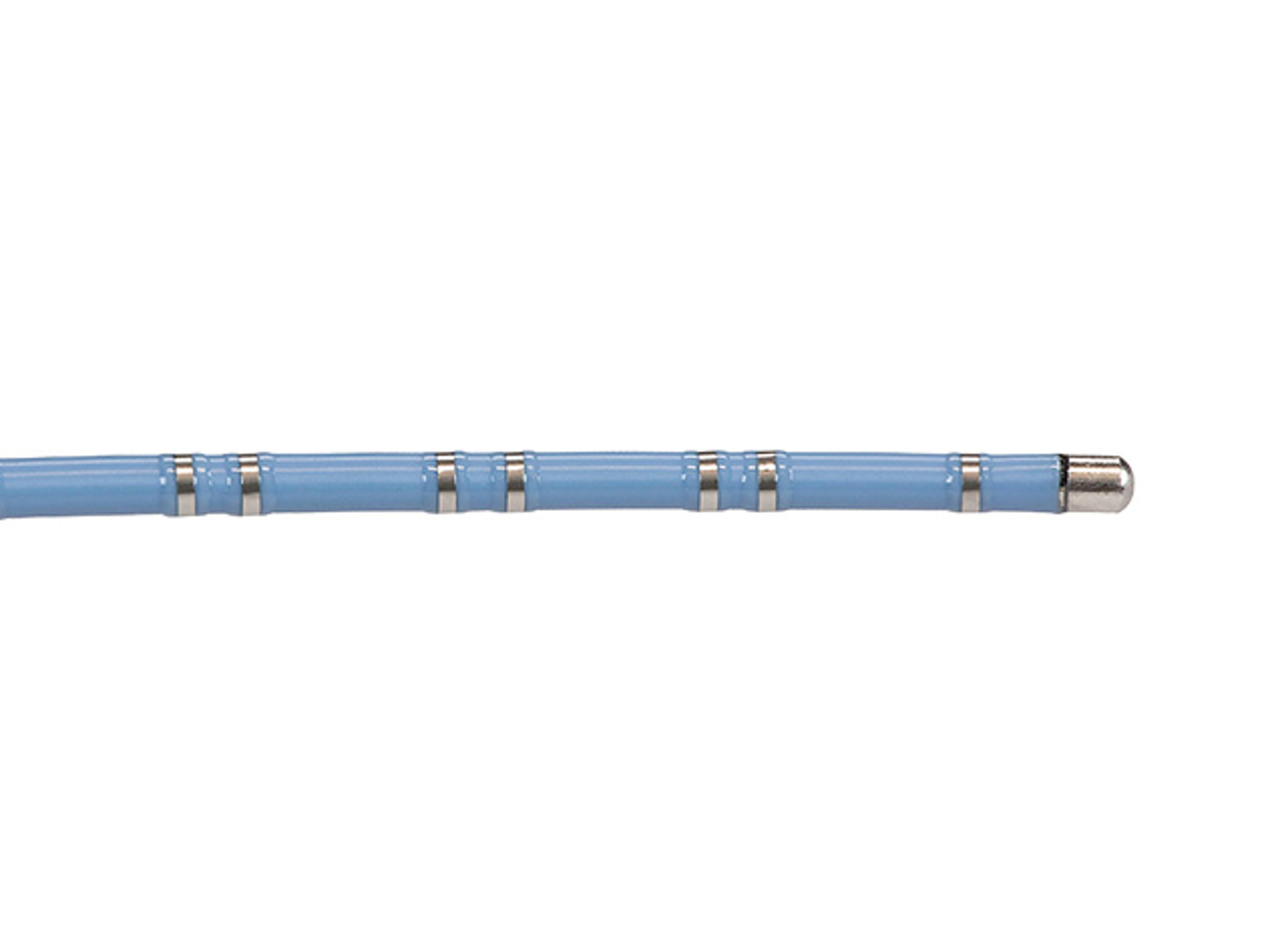
DECANAV™ Mapping Catheter
The DECANAV™ Catheter has been designed to be used with the CARTO™ 3 System to facilitate electrophysiological mapping of the heart.
The catheter has a single proximal electrode that can be used for unipolar recording signals. The catheter has a high-torque shaft with a deflectable tip section containing an array of platinum/iridium electrodes that can be used for stimulation and recording of cardiac electrical signals.
An integrated system
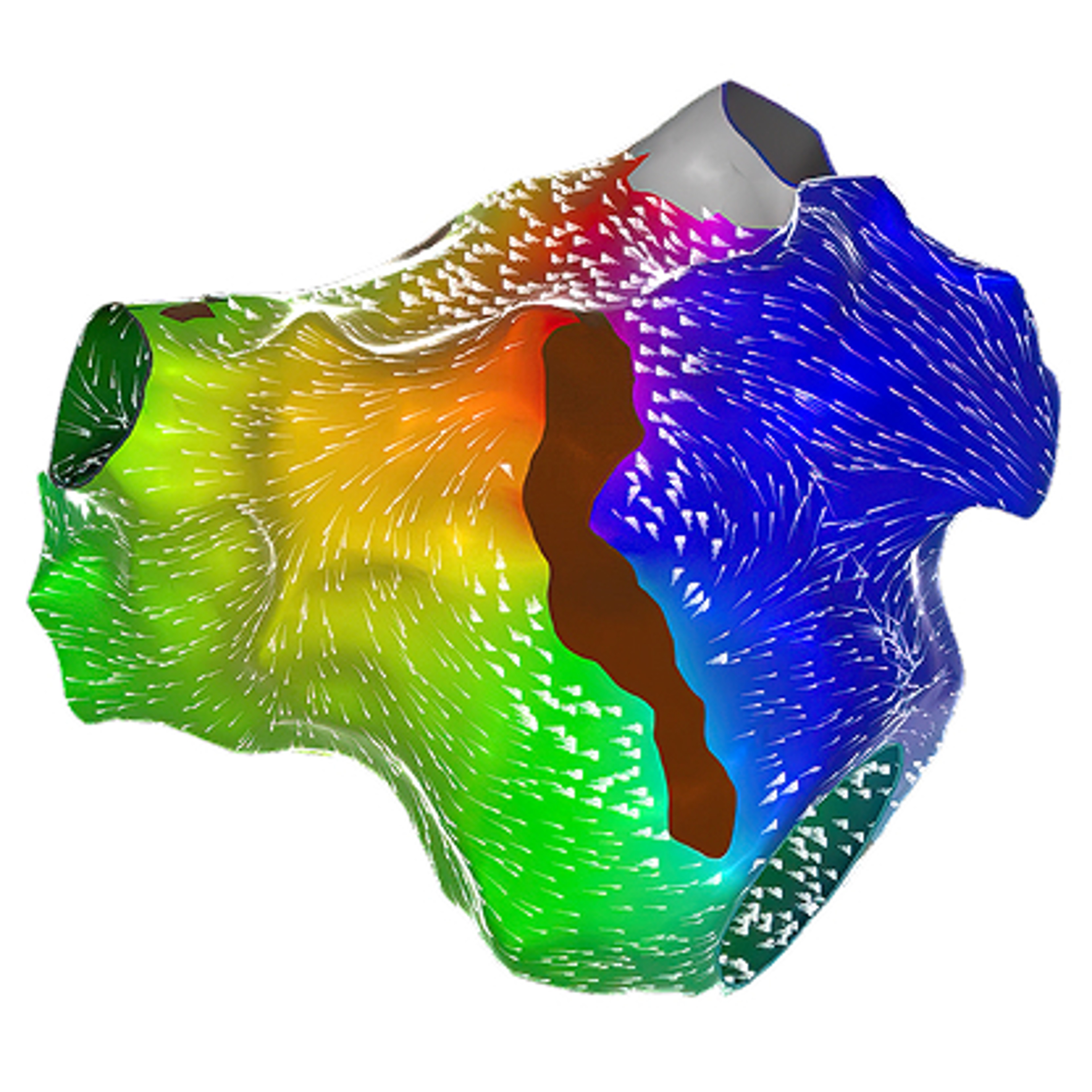
CARTO PRIME™ Module
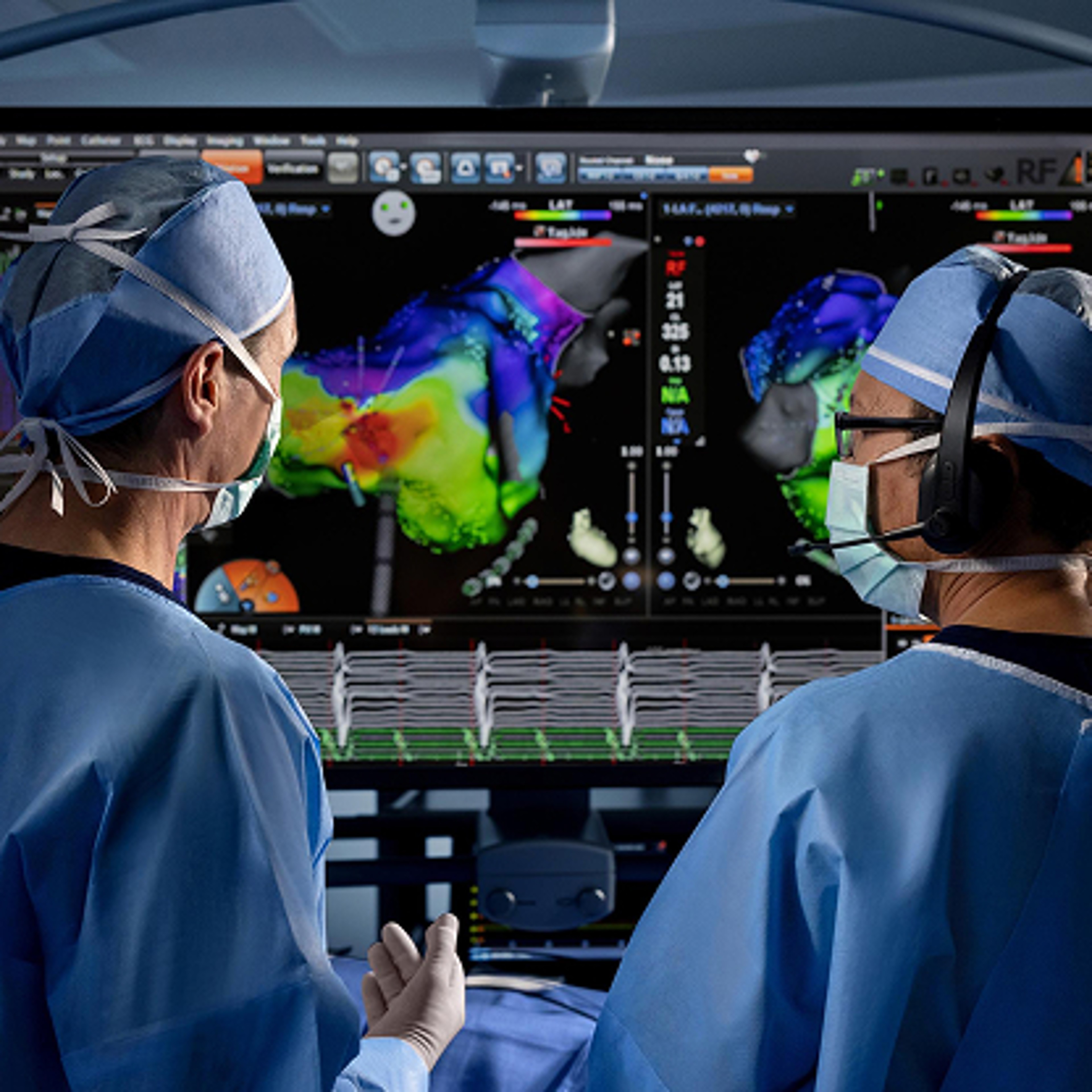
CARTO™ System Mapping Software
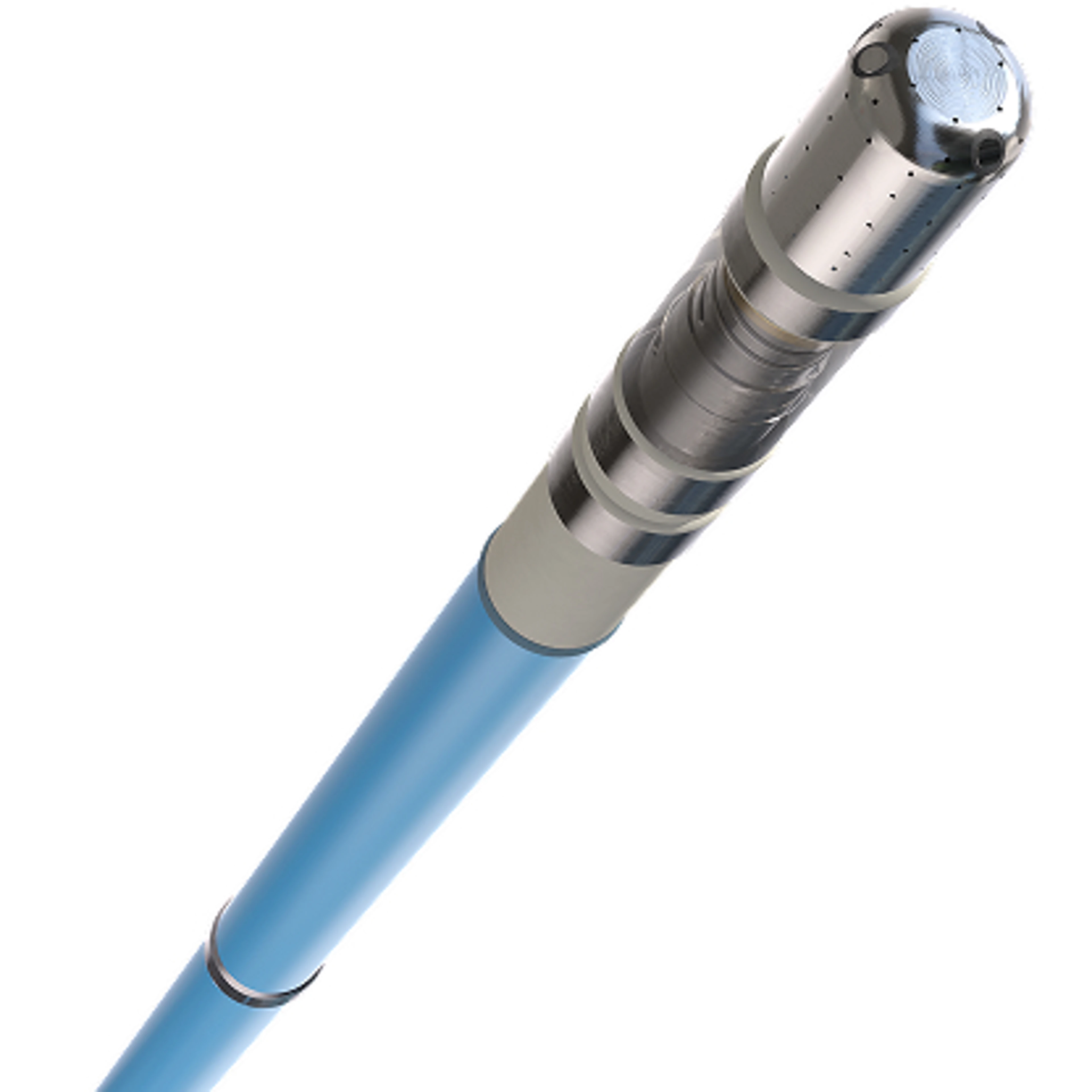
QDOT MICRO™ Catheter
Related products
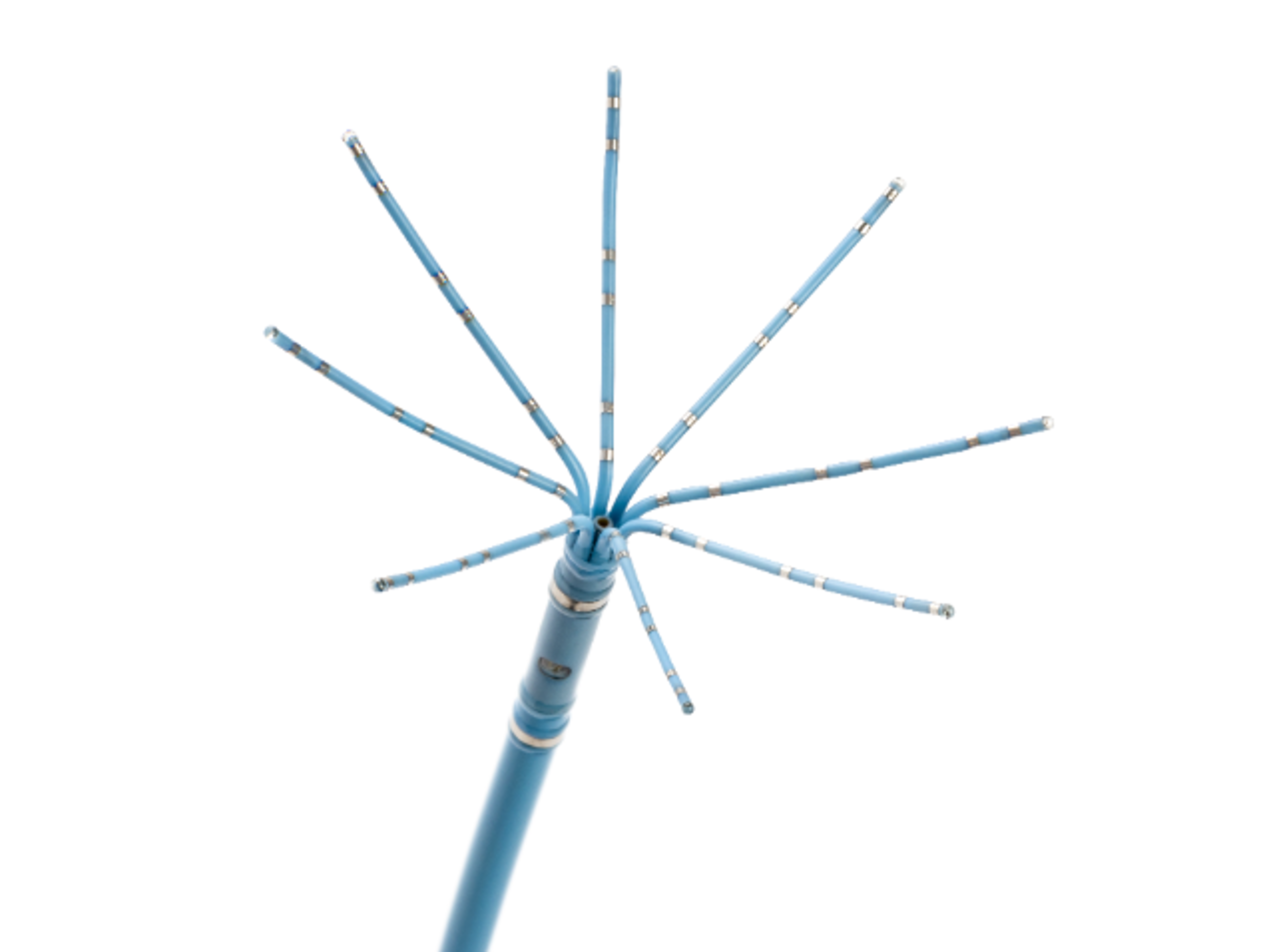
OCTARAY™ Mapping Catheter with TRUEref™ Technology
The OCTARAY™ Mapping Catheter with TRUEref™ Technology is designed to improve signal quality, enhance mapping speed, and unleash the full potential of the CARTO™ 3 System.
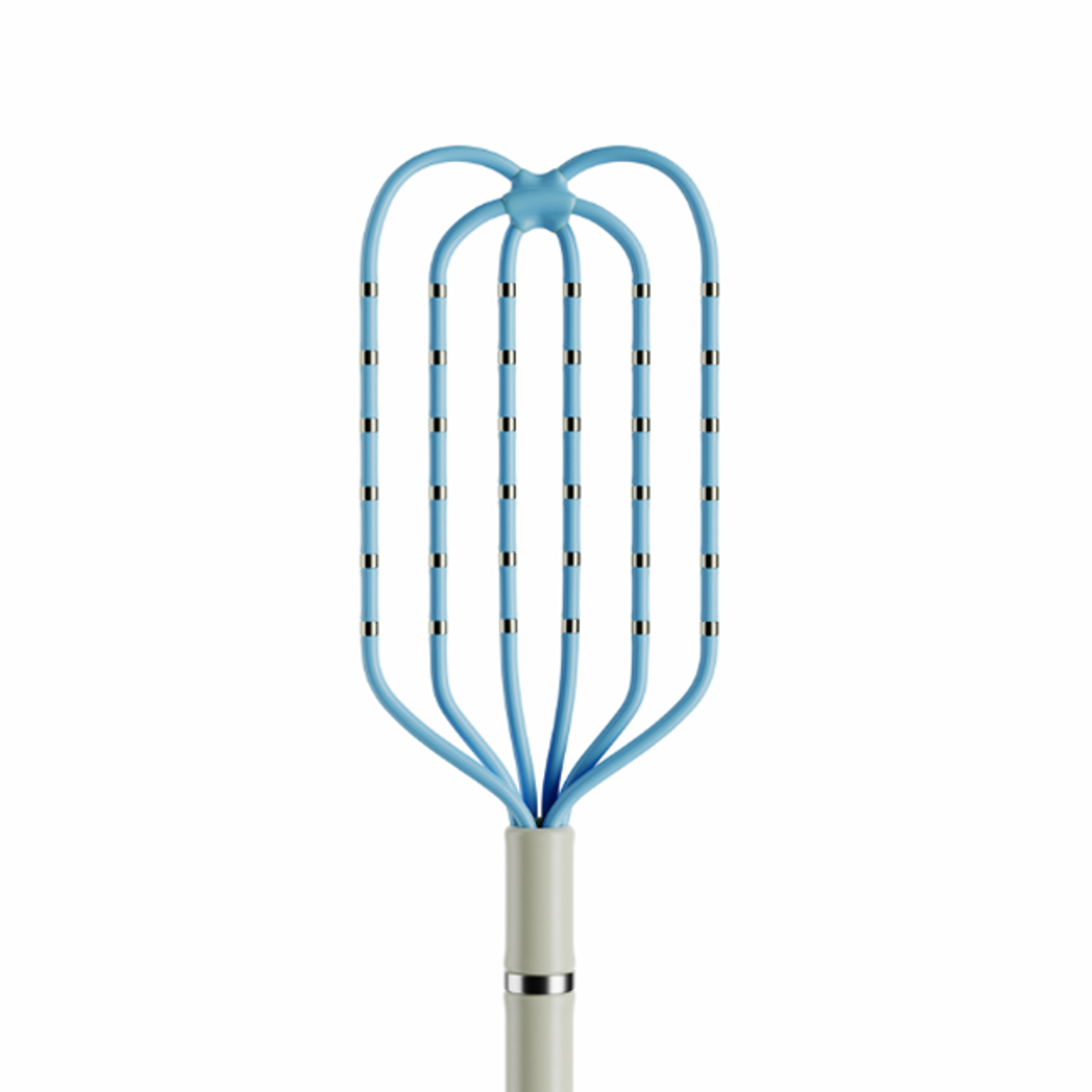
OPTRELL™ Mapping Catheter
To aid in the most complex cases, the OPTRELL™ Mapping Catheter’s intuitive design and fixed electrode array work with the CARTO™ 3 System to deliver intelligent insights and high-resolution directional mapping.
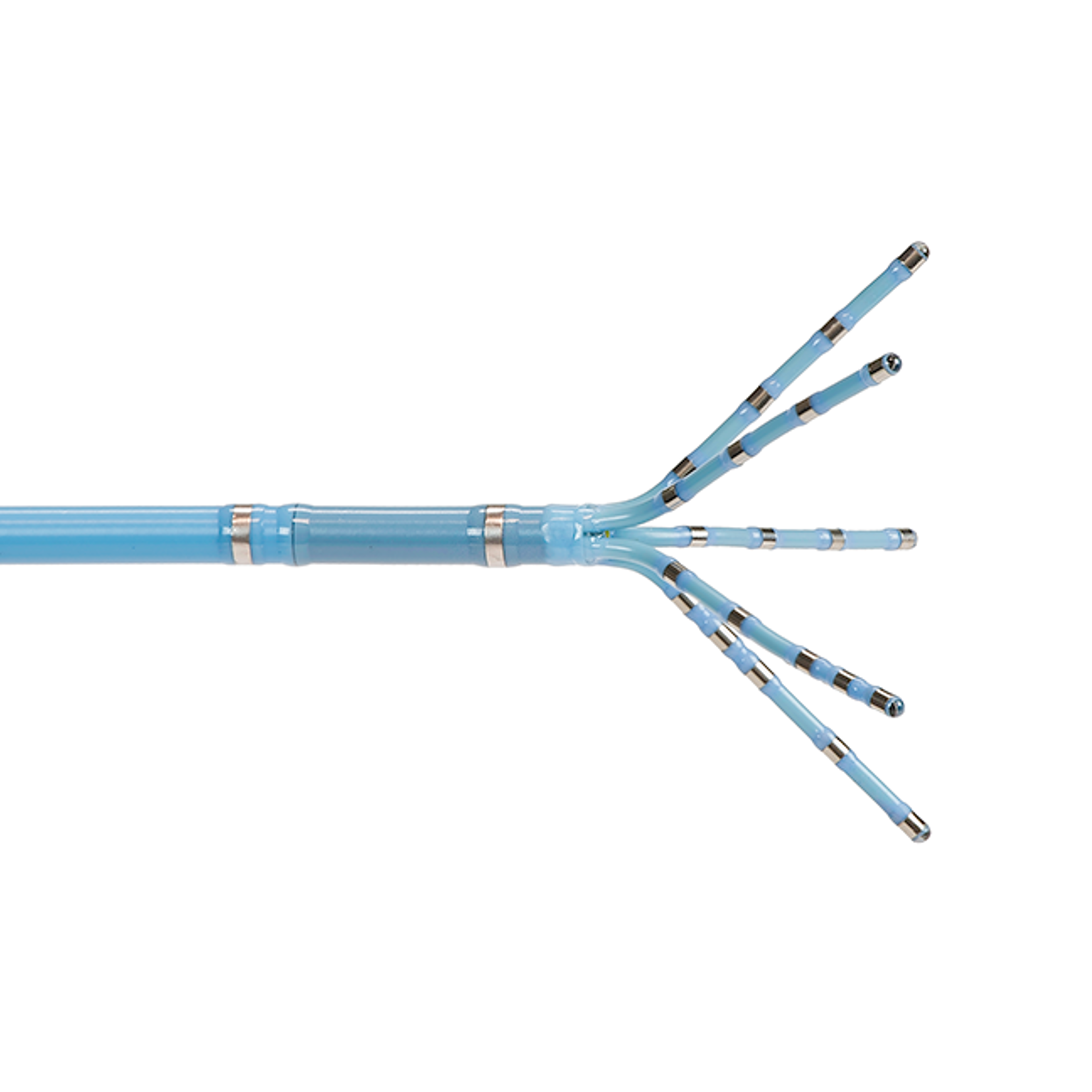
PENTARAY™ NAV ECO High Density Mapping Catheter
The PENTARAY™ NAV ECO High-Density Mapping Catheter is designed to facilitate electrophysiological mapping of the heart with the CARTO™ 3 System. This deflectable catheter consists of multiple 3 F spines on its distal tip, each spine having multiple platinum electrodes that are used for stimulation and recording.
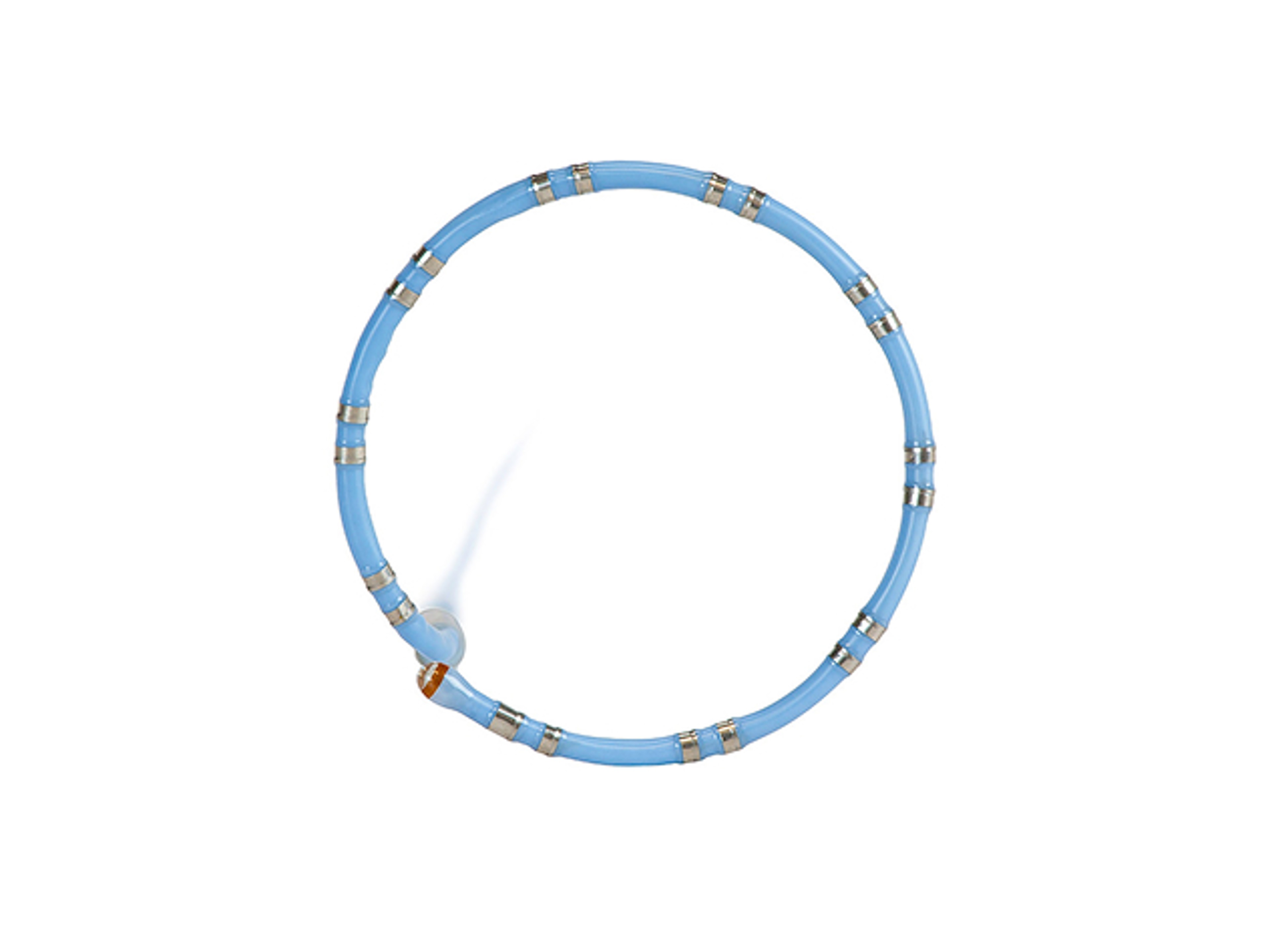
LASSO™ Circular Mapping Catheter
Designed to facilitate electrophysiological mapping of the atria of the heart, LASSO™ NAV eco Catheter is deployed in the right or left atrium through an 8 F guiding sheath. This deflectable catheter consists of a 4.5 F circular spine on its distal tip, with platinum electrodes that can be used for stimulation and recording. The LASSO™ NAV eco Catheter provides location information when used with a compatible CARTO™ 3 EP Navigation System.
References
*Fast Anatomical Mapping and Multi-Electrode Mapping are available on the CARTO™ 3 System with CARTO™ MEM Version or CONFIDENSE™ Module using MEM-enabled catheter.
DO NOT use PENTARAY™ NAV ECO High Density Mapping Catheters, OCTARAY™ or OPTRELL™ Mapping Catheters with TRUEref™ Technology in patients with prosthetic valves.
Always verify catheter tip location using common clinical practice for real-time verification (inspection of IC signals, direct imaging guidance such as fluoroscopy or ultrasound, etc.) and consult the CARTO™ 3 System User Guide regarding recommendations for fluoroscopy use.
Canpolat, U. et al (2020). State of Fluoroless Procedures in Cardiac Electrophysiology Practice. J Innov Cardiac Rhythm Management. 11(3), 4018–4029.
Sommer, P. et al (2018) Safety profile of near-zero fluoroscopy atrial fibrillation ablation with non-fluoroscopic catheter visualization: experience from 1000 consecutive procedures, EP Europace, Volume 20, Issue 12, Pages 1952–1958.
The Johnson & Johnson and its affiliates QDOT MICRO™ Catheters and related accessory devices are indicated for catheter-based cardiac electrophysiological mapping (stimulating and recording) and, when used in conjunction with a compatible radiofrequency generator, for the treatment of:• Type I atrial flutter in patients age 18 or older.• Drug refractory recurrent symptomatic paroxysmal atrial fibrillation, when used with compatible three-dimensional electroanatomic mapping systems.The Johnson & Johnson and its affiliates QDOT MICRO™ Catheters provide real-time measurement of contact force between the catheter tip and heart wall, as well as location information when used with CARTO™ 3 Navigation System.
This site is published by Johnson & Johnson and its affiliates. which is soley responsible for its contents. It is intended for visitors from the United States.
US_ELP_DIAG_406301